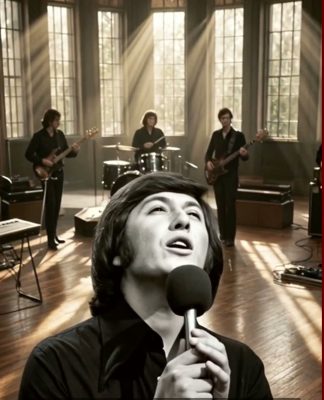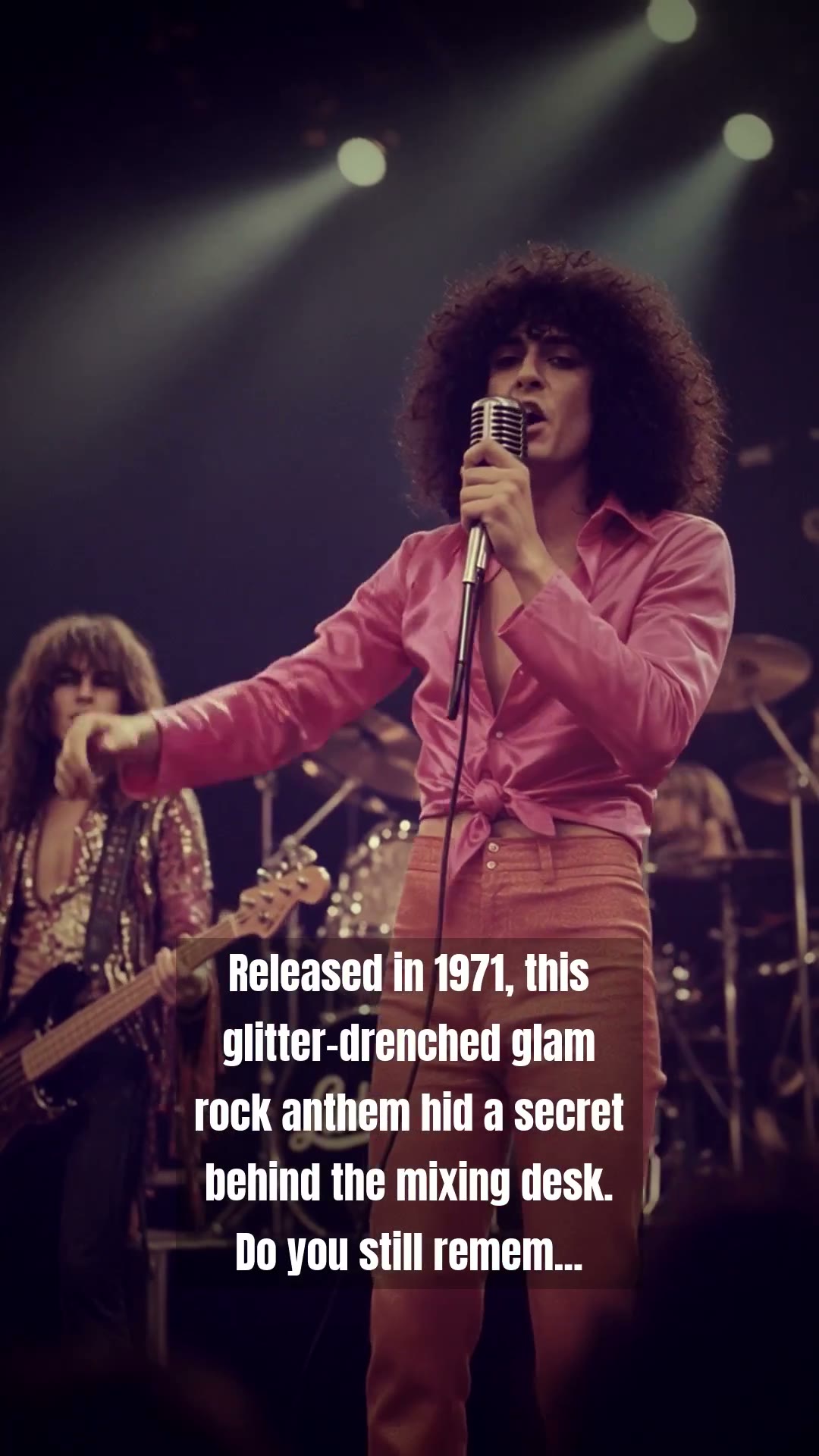
It is 1971, and your grainy black-and-white telly is suddenly splashed with an impossible spectrum of colour. A man with a velvet suit and stardust smeared across his cheekbones is dancing on Top of the Pops, changing the face of British music forever. Marc Bolan did not just invent Glam Rock; he turned it into a religion. Yet, if you look past the glitter and the peacock feathers, there is a brilliant, hidden architect behind the curtain. That man was Tony Visconti, the legendary producer whose steady hand helped capture the lightning that defined a golden generation of British youth.
While the public saw the charismatic Marc Bolan as a cosmic being, Tony Visconti understood that the magic lay in the texture of the sound. They were an unlikely pair, a sonic alchemy of Bolan’s whimsical poetry and Visconti’s technical mastery. When they entered the studio to record those iconic anthems, they weren’t just making pop songs; they were crafting a new mythology. Visconti knew how to take the raw, jittery energy of the underground scene and polish it into something that could conquer the charts without losing its jagged, authentic edge. It was a labour of love that pushed the limits of the studio.
Do you remember the first time you heard that unmistakable, driving groove? It felt like the entire country was waking up from the grey, post-war doldrums. Marc Bolan was the ringmaster, but Tony Visconti was the one ensuring the rhythm section hit like a physical weight against your chest. Every tambourine hit and layered vocal harmony was deliberate. They realised early on that to capture the imagination of the nation, they had to create a sound that felt both alien and strangely familiar. It was the soundtrack to a thousand adolescent dreams played out in bedroom mirrors across the UK.
Behind the mixing desk, Tony Visconti worked tirelessly to translate Bolan’s chaotic visions into the hits that graced the BBC Radio 1 playlists. There were rows, of course—artistic friction is the lifeblood of any great collaboration—but the respect between them was absolute. They shared a belief that music should be an escape, a technicolour dreamscape that provided a necessary relief from the bleakness of the early seventies. That shared ambition is why, more than fifty years later, those tracks still sound as fresh as the day they were pressed onto vinyl.
Looking back, it is easy to fixate on the tragic end of such a brilliant career, but the legacy of Marc Bolan is best served by the music that refuses to fade. When you spin those records today, listen closely to the production. You can hear the fingerprints of Tony Visconti in every nuanced swell and perfectly placed note. They gave us more than just tunes; they gave us a piece of our own history, a glitter-drenched moment in time that still feels like it could set the world on fire all over again. Is there any melody quite as nostalgic as the one that soundtracked your youth?