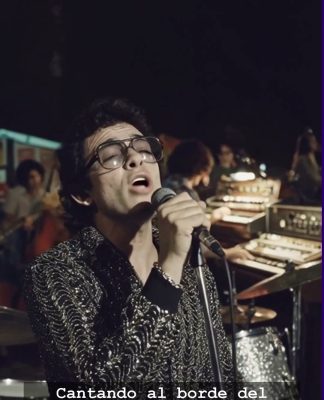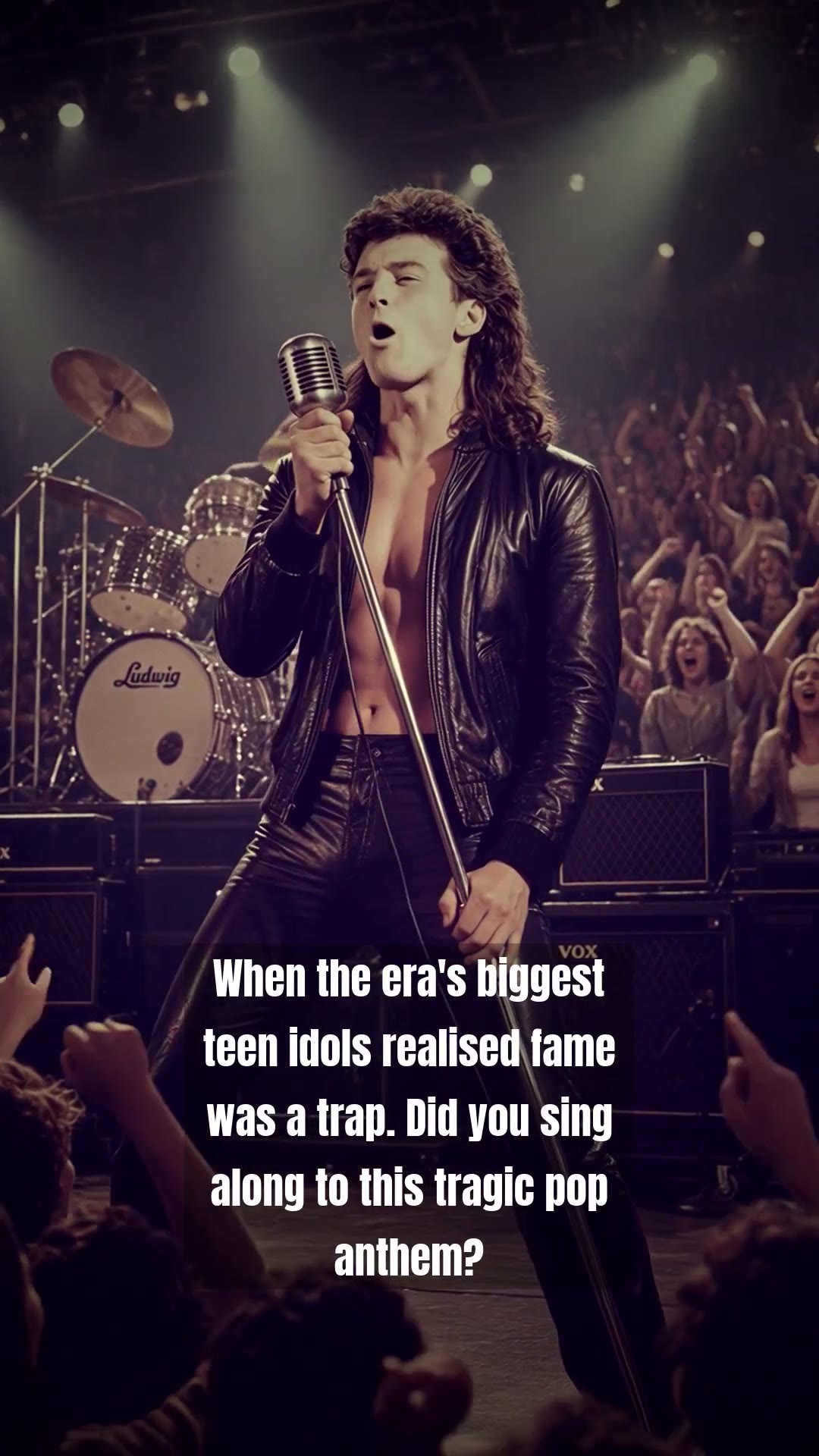
In the mid-seventies, Britain was gripped by a peculiar, high-octane fever. It wasn’t just a trend; it was a sartorial and sonic takeover. If you were huddled around the family telly watching Top of the Pops in 1975, you remember the scene: a sea of tartan, platform boots, and a cacophony of teenage screams that threatened to shatter the studio glass. The Bay City Rollers weren’t just a band; they were a cultural phenomenon. At the centre of this whirlwind was Les McKeown, the charismatic frontman whose voice became the soundtrack to a generation’s youth. But while the world was busy singing along to the infectious chorus of Bye Bye Baby, a much darker, far more complicated reality was festering behind the velvet curtains.
To understand the magnitude of Les McKeown and his bandmates, you have to remember the atmosphere of the era. The UK was reeling from economic uncertainty, yet when the Rollers hit the stage, the gloom vanished, replaced by a neon-bright, manufactured joy. It was the golden age of teen idols, but the industry was a meat grinder. The boys were barely out of their teens, thrust from the pubs of Edinburgh into a pressure cooker of relentless touring and predatory management. The glossy colour photos in the music weeklies hid a multitude of sins. For Les McKeown, the adoration of millions wasn’t the liberation it promised to be; it was a gilded cage that would eventually lead to a profound and painful personal downfall.
Behind the scenes, the cracks were beginning to show. The sheer pace of the band’s ascent left little room for a young man to breathe, let alone grow. Les McKeown often spoke later in life about the isolation that comes with being a household name. When you are the pin-up on every bedroom wall in the country, the expectation to remain the wide-eyed, perfect pop star becomes an unbearable weight. He struggled under the strain of a gruelling schedule, the lack of creative control, and the inevitable fallout of being managed by people who viewed the band as a product rather than a group of human beings with complex inner lives.
It is easy to dismiss the music of that period as bubblegum fluff, but for those who lived through it, the songs hold a bittersweet resonance. The tragedy of Les McKeown is a story we have seen repeated time and again in British rock history—the meteoric rise followed by the messy, often heart-breaking descent. The madness of ‘Rollermania’ wasn’t sustainable, and once the teen frenzy inevitably cooled, the transition to adulthood in the public eye proved brutal for Les. He spent decades battling the demons that took root during those frantic, tartan-clad years.
Even now, years after his passing, the legacy of Les McKeown remains a touchstone for anyone who grew up in that extraordinary era. We listen to those hits today and realise that the joy we felt was real, even if the person singing the words was suffering in silence. It serves as a stark reminder that even the biggest stars are just people underneath the stage makeup. Next time you hear that familiar guitar riff, spare a thought for the lad from Edinburgh who gave us everything, at a price he never truly chose to pay.