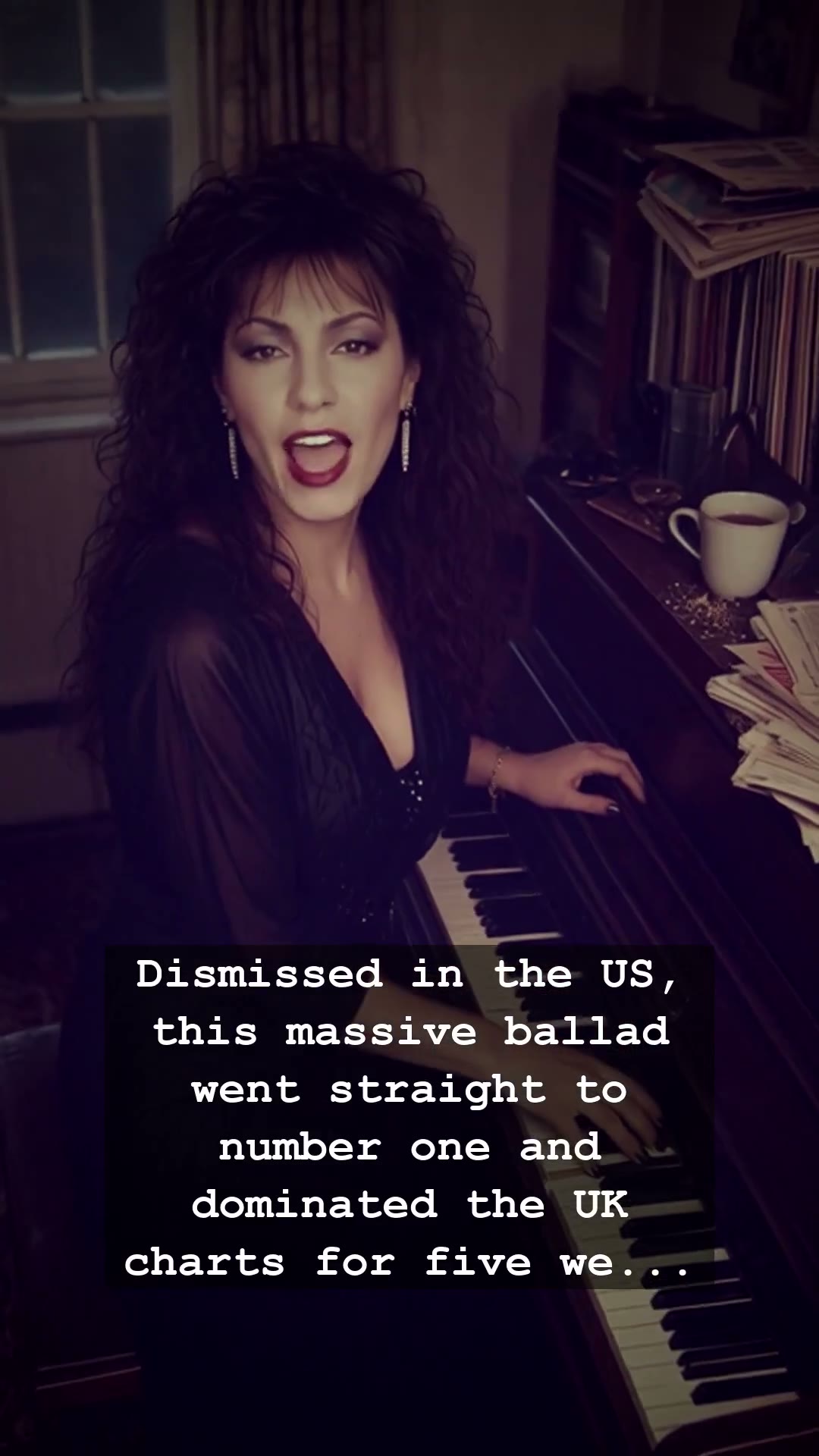
Picture the scene: it is 1985, the nation is huddled around the telly for Top of the Pops, and a voice like a storm-force gale tears through the living room. Jennifer Rush was an unknown name to most British households until that year, yet suddenly, her soaring anthem The Power of Love was everywhere. It was a proper, spine-tingling ballad that demanded your full attention, holding the number one spot for a glorious five weeks. But here is the rub: this wasn’t just a hit; it was a musical miracle born from the cold shoulder of the American music industry.
Back in the States, the suits in the ivory towers couldn’t quite make head or tail of Jennifer Rush. They saw her raw, emotive vocal performance as too grand, too dramatic, or perhaps just not the right flavour for their market. They dismissed her, failing to realise they were holding a masterpiece that would soon define the mid-eighties landscape in the UK. To them, it was just another tape for the bin; to the British public, it was the soundtrack to a thousand slow dances and broken hearts. It is a classic tale of the underdog finally having their moment in the sun, proving that talent often finds its true home regardless of where the industry moguls want it to sit.
There was something inherently British about the way we took this song to our hearts. Perhaps it was our love for a grand, sweeping melody, or perhaps it was the sheer gutsiness of the song that resonated with a country living through its own turbulent times. When you heard that opening piano sequence, you knew you were in for a proper emotional workout. The track became a staple on BBC Radio 1, a constant companion on the airwaves that felt both fresh and timeless. It is the sort of song that, even decades later, makes you stop what you are doing the moment those first notes hit the speakers.
I still recall the colour of the record sleeve and the distinct feeling of watching her perform on those iconic studio stages. Jennifer Rush brought a sense of theatre that was quite rare, a powerhouse display that didn’t rely on gimmicks or flashy production—just pure, unadulterated vocal prowess. She became the unlikely hero of the charts, a firm favourite among those of us who grew tired of the synth-pop clones and wanted something that actually reached out and grabbed you by the lapels.
Why does it still resonate today? Because it is authentic. In an era obsessed with image, Jennifer Rush delivered a performance that felt like a direct line to the soul. It reminds us of a time when the charts were a battleground of genuine emotion rather than algorithmic precision. Whether you bought the vinyl or just caught it on the radio, that five-week reign remains a cherished memory of a golden era. Do you remember where you were when you first heard it? We would love to hear your memories of that unforgettable year.