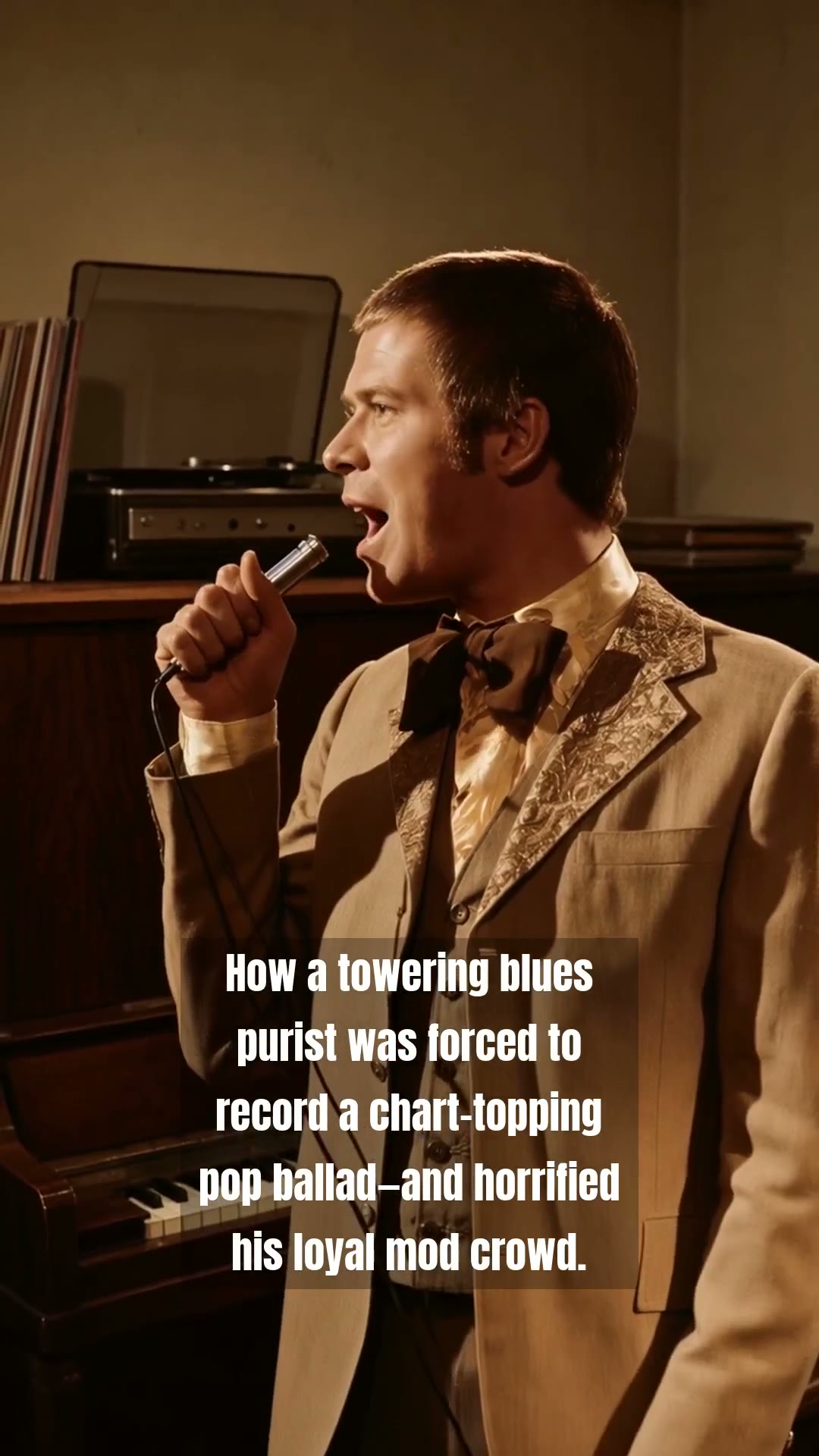
Picture the scene: London, 1967. The air in the smoky backroom pubs was thick with the scent of cheap tobacco and the sound of authentic rhythm and blues. Standing at a staggering six-foot-seven, Long John Baldry was the undisputed king of this scene. A gravel-voiced titan who had mentored the likes of Rod Stewart and Mick Jagger, Baldry was the ultimate blues purist, a man who lived and breathed the music of the American delta. To his loyal following of sharp-suited Mods, he was untouchable, a towering figure of credibility who would never dream of chasing the shallow glamour of the pop charts. Then, the unthinkable happened.
Under pressure from record executives who were desperate for a smash hit, Long John Baldry was pushed into the studio to record an orchestral, schmaltzy pop ballad titled Let the Heartaches Begin. It was a complete departure from his roots, draped in lush, sugary strings that felt worlds away from the gritty clubs he usually graced. When the record dropped, it didn’t just chart; it went straight to Number One on the UK Singles Chart. For the general public, it was a catchy, chart-topping triumph, but for his original fan base, it felt like a betrayal. He had traded his authentic blues soul for a spot on the telly and a glimmer of mainstream superstardom.
The backlash was immediate and brutal. The very people who had once idolised him now looked on in dismay, whispering that their hero had finally sold out. It is hard to imagine the internal conflict that must have been bubbling beneath his calm exterior. Here was a man who had earned his stripes in the trenches of the British blues boom, suddenly forced to grin for the cameras and belt out a radio-friendly tune that he likely didn’t even recognise as his own work. It was a classic clash of art versus commerce, a tale as old as the industry itself, played out on the stage of Swinging London.
Looking back from the vantage point of the present day, one has to realise that Long John Baldry was caught in a trap that claimed many legends of the era. The pressure to maintain a commercial edge in the face of changing musical trends was immense. Yet, despite the initial outrage, the song remains a curious, melodic footnote in his storied career. It is a colourful, if slightly jarring, piece of British pop history that highlights the fragile nature of musical integrity during a time when the industry was shifting from the underground to the global stage.
Perhaps there is a lesson in the story of Long John Baldry. He survived the ridicule, continued to tour, and never truly lost his connection to the blues, despite the pop-infused detour. It serves as a reminder that even our most revered icons are human, prone to the whims of record labels and the desperate need to stay relevant. So, the next time you hear that familiar string arrangement, try not to see it as a sell-out moment. Instead, see it as a snapshot of a towering man who was simply doing what he had to, whilst the world of music changed its colour around him.