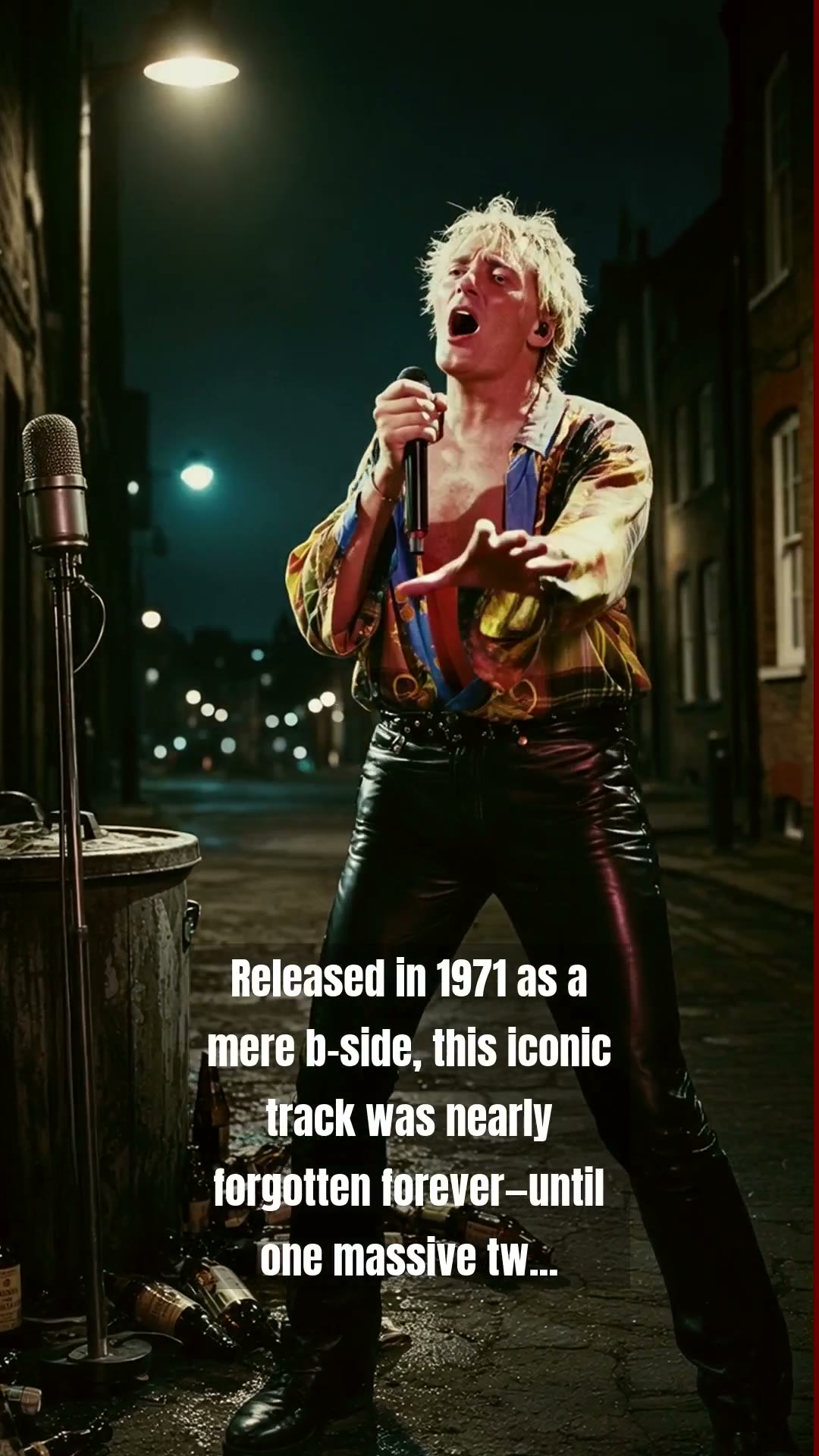
Picture the scene: it is 1971, the telly is humming with the latest news, and a young, gravel-voiced lad named Rod Stewart is struggling to find his footing. He had just released his third solo album, Every Picture Tells a Story, yet record label executives were looking at his latest single with a cold, dismissive eye. They were convinced that the track Maggie May was nothing more than filler, a mere B-side relegated to the flip side of a song titled Reason to Believe. In the cutthroat world of the British music industry, it was a decision that nearly buried a masterpiece before it had the chance to breathe.
Rod Stewart had poured his heart into this song, capturing the gritty, bittersweet reality of a youthful romance that had gone slightly awry. It was honest, raw, and unmistakably British in its sentiment. However, the brass at the label did not realise the gold they had sitting in their hands. They were far too focused on the polished, radio-friendly numbers, completely ignoring the infectious, folky charm of this accidental anthem. It felt as though the song was destined to gather dust in the bargain bins of high-street record shops, a forgotten relic of a rainy autumn afternoon.
Then, something quite extraordinary happened. Across the country, late-night radio DJs began to spin the disc. They were not listening to the PR suits; they were listening to the music itself. From the smoky corridors of the BBC to local stations in every corner of the UK, the listeners began to ring in, demanding to hear that raspy voice singing about a schoolboy crush. It was a grassroots rebellion. The public had decided that this was their favourite tune, forcing the label to scramble and pivot. Suddenly, the B-side became the A-side, and Rod Stewart was catapulted to the very top of the charts.
It was a moment that defined an era. Maggie May became an unstoppable sensation, capturing the restless spirit of the early seventies. The success of the track turned Rod Stewart into a household name, transforming him from a struggling musician into an international icon. That iconic mandolin riff, played with such understated brilliance, became the soundtrack to a generation. It serves as a reminder that sometimes the most beautiful things in life are those that start out as afterthoughts, hidden away in the shadows of our own expectations.
Even now, more than fifty years on, hearing those opening chords on a crisp morning brings a rush of nostalgia. It reminds us of a time when the charts were not purely dictated by algorithms or corporate machines, but by the genuine passion of the people. Rod Stewart proved that talent, grit, and a bit of luck can change history, turning a humble B-side into a legend. Next time you find yourself spinning your old vinyl records, take a moment to listen closely; you might just find a masterpiece hiding in the place you least expect.