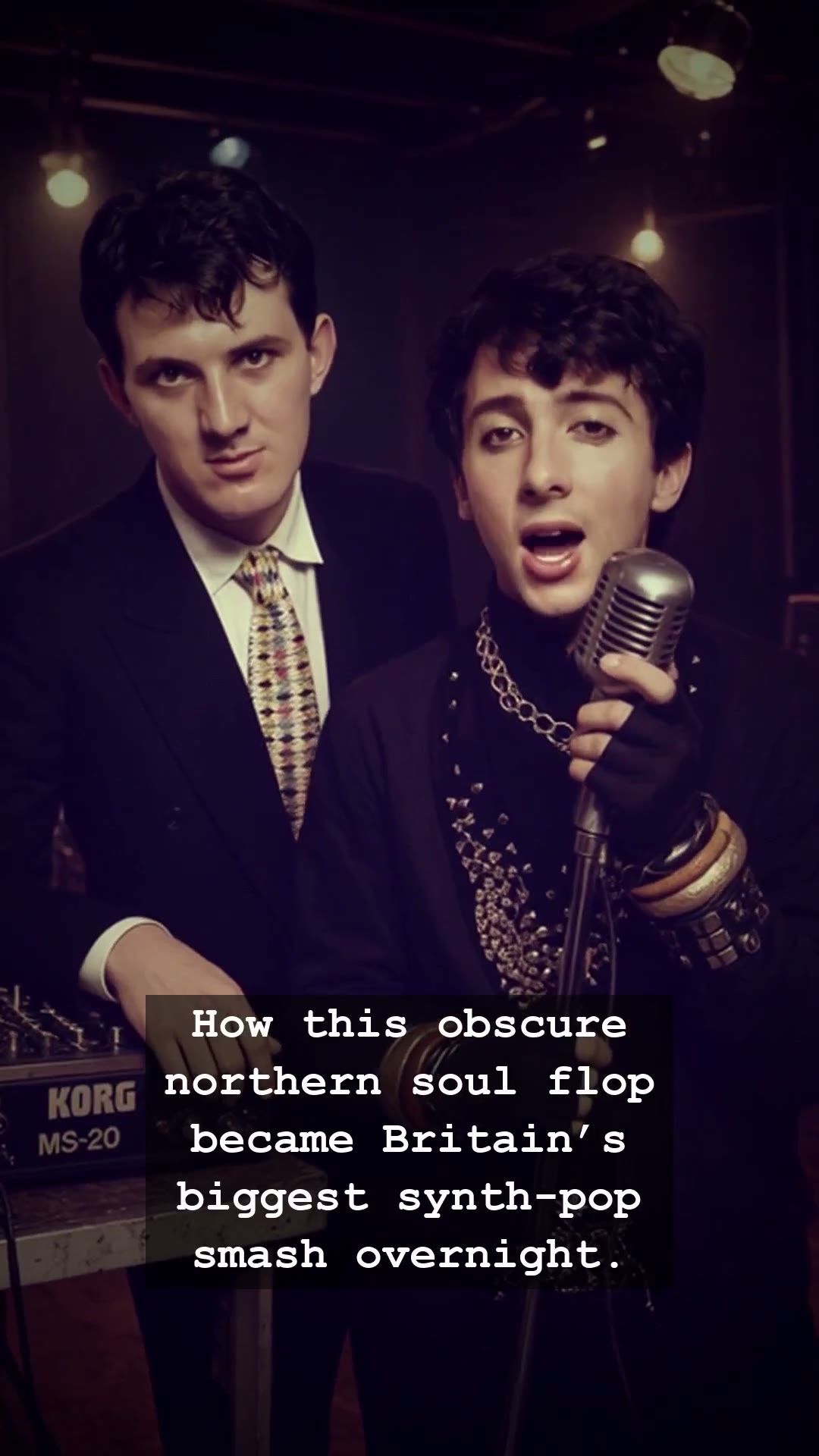
Picture the scene: it is the summer of 1981, rain is lashing against the living room window, and families across Britain are gathered around the telly to watch Top of the Pops. Suddenly, the airwaves are pierced by a relentless, dirty synthesizer rhythm and a voice dripping with raw, unapologetic vulnerability. It was Soft Cell, and nothing in British pop music would ever be quite the same again. Yet, the track that sent shockwaves through the nation and took over the UK charts was not originally theirs at all, but rather a deeply obscure northern soul B-side that most people had written off completely.
Long before they became synth-pop royalty, Marc Almond and Dave Ball were just two art students in Leeds with a shared obsession for the darker, seedier side of nightlife. While the rest of the charts were busy polishing up disco, this brilliant duo favoured a much more minimalist, claustrophobic colour palette. They frequented local clubs and scavenged through bargain bins for forgotten vinyl gems. It was during one of these crate-digging sessions that Marc stumbled upon a failed 1965 track by Gloria Jones called Tainted Love. The original record was a energetic northern soul stomp that had completely flopped upon release, failing to make any lasting impression on the public consciousness whatsoever.
Recognising hidden potential in the ashes of musical history, Almond and Ball decided to strip the song right back to its bare bones. Dave Ball crafted a brooding, hypnotic electronic backing track using a primitive rhythm box and a synthesizer, while Marc Almond poured his heart into a vocal delivery that felt dangerously intimate. Gone was the bright, optimistic bounce of the original; in its place was a tense, nocturnal masterpiece that captured the gloomy, desperate mood of Thatcher-era Britain. It was edgy, it was dark, and it felt utterly transgressive for Saturday night television.
When the single was finally released, it did not merely climb the charts—it exploded. By the autumn of 1981, Soft Cell had knocked royalty off the top spot to claim the number one position, turning an obscure northern soul flop into the biggest synth-pop smash of the decade. For a generation of teenagers huddled around their bedroom radios, the track became an instant anthem, soundtracking countless messy nights out and quiet moments of teenage angst alike. It proved that true genius often lurks in the shadows, waiting for the right pair of outsiders to breathe new life into it.
Decades later, the unmistakable opening notes of that iconic track still possess the power to transport us straight back to a very specific, smoky era of British music history. Soft Cell managed to capture a fleeting moment of lightning in a bottle, fusing northern soul heritage with futuristic electronic sounds in a way that nobody else dared to attempt. As we look back at the rich tapestry of 1980s pop, it is fascinating to realise how a forgotten B-side reshaped the landscape of modern music forever. Have you got a favourite Soft Cell memory that still takes you right back to your youth?