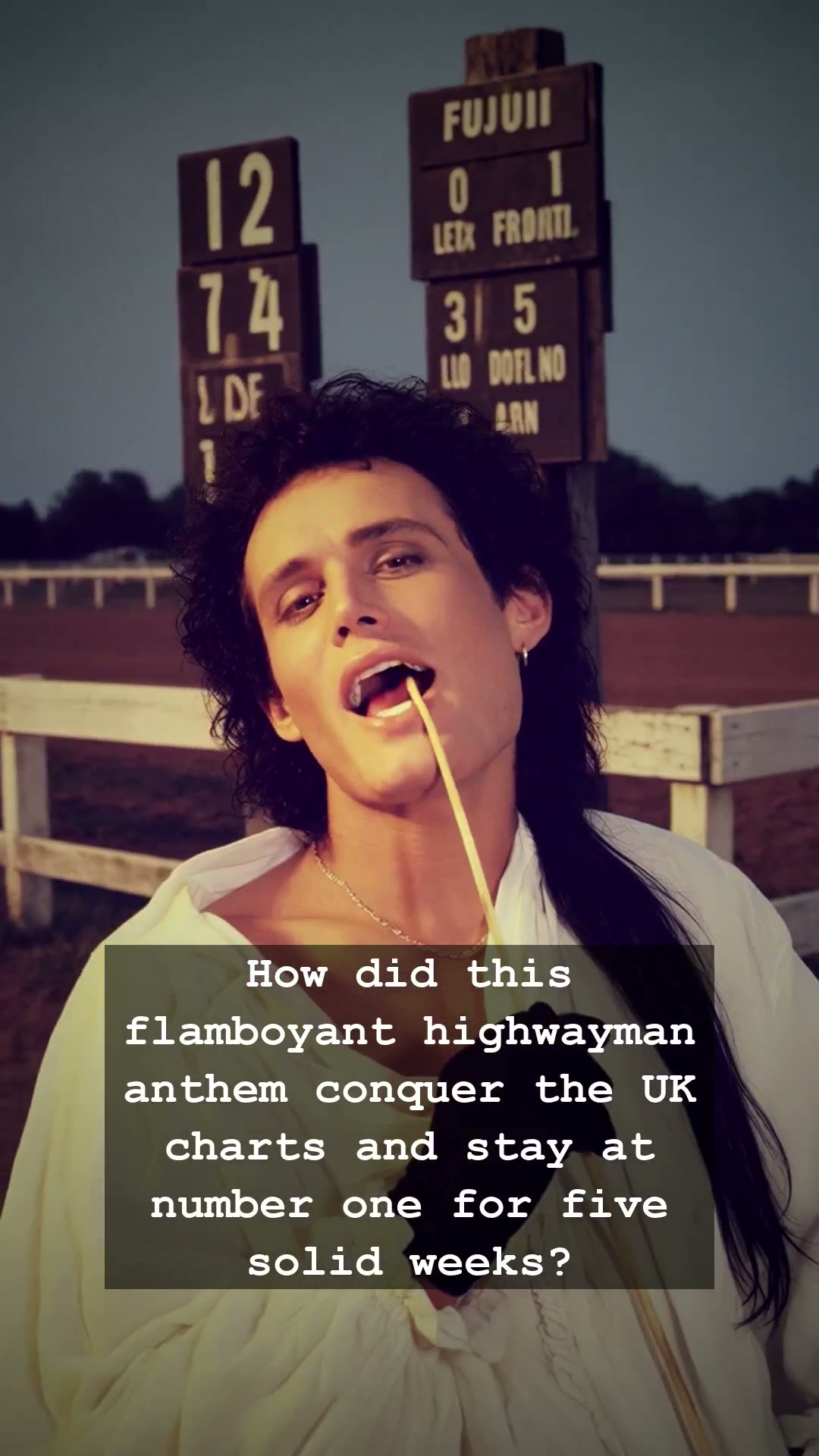
Picture the scene back in the spring of 1981. Families across Britain gathered around the telly on a Thursday evening, eagerly tuning in to Top of the Pops. Suddenly, living rooms from Cornwall to the Scottish Highlands were invaded by a vision of pure, unadulterated theatrical defiance. It was a dazzling explosion of war paint, pirate boots, and swagger that completely stopped the nation in its tracks. This was the moment Adam and the Ants unleashed Stand and Deliver, a cheeky pop masterpiece that did not just top the UK singles chart, but camped out proudly at number one for five solid weeks.
Led by the charismatic Stuart Leslie Goddard, better known to the world as Adam Ant, the band had already been bubbling under the surface of the London post-punk scene. But with this explosive single, they abandoned gritty despair in favour of high camp, swashbuckling bravado, and an irresistible Burundi beat. It was a brilliant stroke of genius that defined the burgeoning New Romantic era. Youngsters up and down the country suddenly rushed to local Woolworths to buy face paint, desperate to copy that iconic white stripe across their noses before heading out to school or a weekend gig.
The backstory to the track is just as fascinating as its flamboyant visual aesthetic. Adam Ant had found himself captivated by highwaymen history, particularly the romanticised villainy of Dick Turpin. He wanted to write an anthem about the underdogs sticking it to the establishment, delivered with a cheeky wink. When the single dropped, the British public fell utterly in love with its infectious rhythm and playful defiance. It felt dangerous, thrilling, and above all, colourful in a decade that often threatened to feel rather bleak.
Looking back now, it is easy to realise just how radical Adam and the Ants truly were. They took traditional notions of pop stardom and completely turned them upside down, proving that music could be both high art and pure, joyous escapism. The track dominated British airwaves via BBC Radio 1 day and night, cementing its place in the nation’s collective memory. Critics might have occasionally scratched their heads, but the fans knew they were witnessing something truly historic.
Even decades later, hearing that galloping rhythm takes so many of us right back to our youth, conjuring up memories of sticky carpets in local youth clubs and taping the chart countdown on a Sunday afternoon. It remains an absolute favourite of anyone who lived through the golden age of British pop reinvention. Why not pop the record on the turntable tonight, turn up the wireless, and let the glorious nostalgia wash over you all over again?