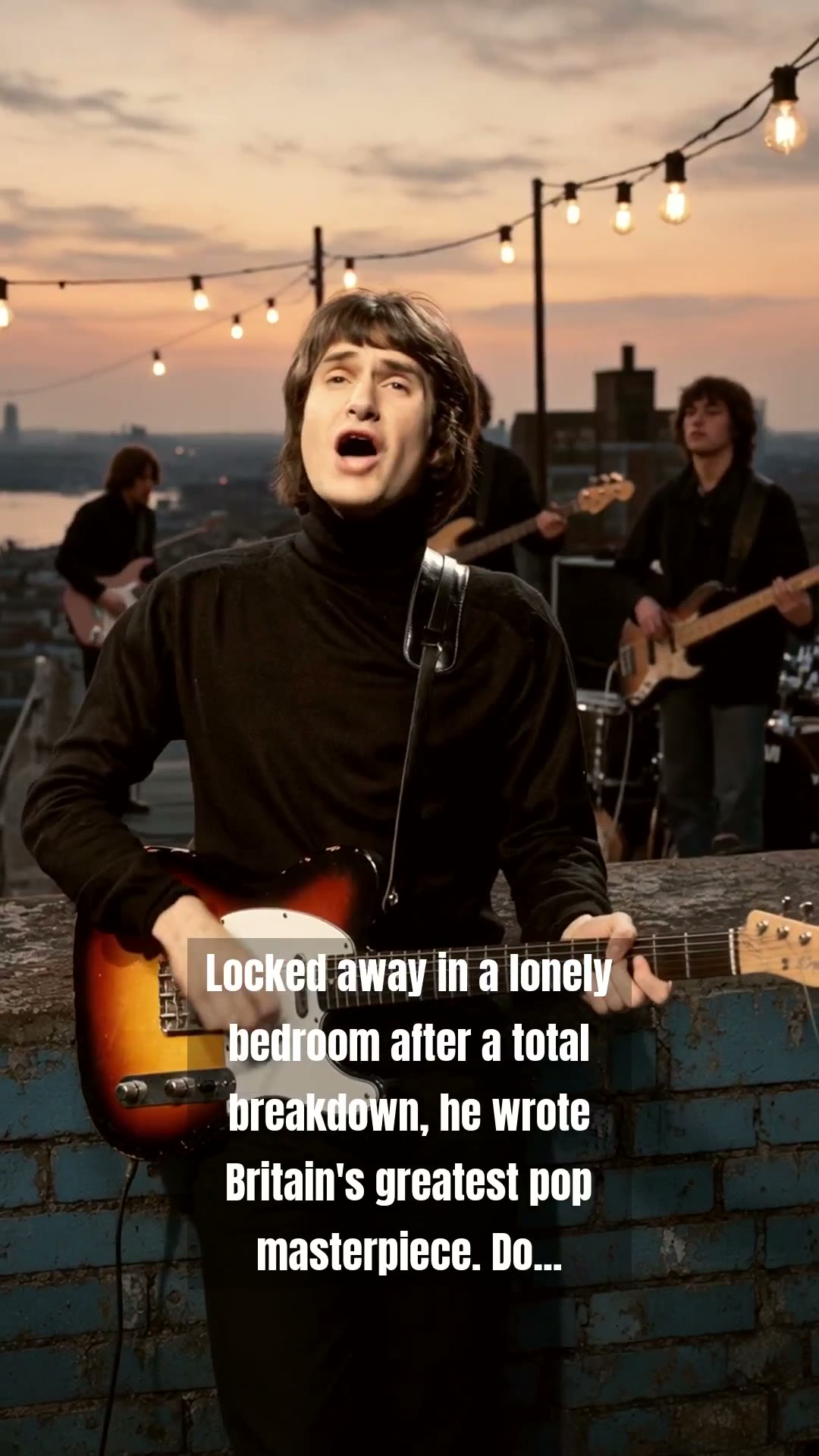
Picture the scene: London in 1967. The Summer of Love was in full swing for many, but for Ray Davies, the frontman of The Kinks, the world felt grey and stifling. The pressure of constant touring, the relentless demands of the music industry, and a crumbling personal life had pushed him to the very edge. He was flat broke, exhausted, and suffering from a total nervous breakdown. While the rest of the world was catching the vibe of psychedelia, Ray retreated into the solitude of his London bedroom, shutting out the noise to stare blankly out of his window.
It is truly remarkable how much beauty can be wrung from such profound despair. Whilst holed up in that room, disconnected from the frenetic energy of Swinging London, Ray Davies began to piece together a melody that would become an indelible part of the British psyche. He wasn’t trying to chase the charts or mirror the trends of the day; he was simply observing the quiet, mundane lives unfolding on the street below. He realised that there was a unique, poignant colour in the everyday lives of ordinary people, and he captured it with a sharp, observant wit that no one else could replicate.
The result was Waterloo Sunset, a song that remains, for many, the greatest pop masterpiece this country has ever produced. When you listen to those opening guitar chords today, you are instantly transported back to a different era. It is not just a song; it is a film in three minutes. It evokes the smell of the damp river air, the distant sound of the train, and the bittersweet feeling of watching the world go by from a distance. Ray Davies managed to turn his own isolation into a collective anthem of nostalgia that resonates with every generation.
It is easy to forget that behind the polished veneer of our favourite records lie such raw, vulnerable moments. Ray Davies was a master at turning the personal into the universal. He was never the flashy rock star, but rather the keen-eyed narrator of the British experience. He knew how to highlight the humour in the tragic and the tragedy in the mundane. Whether he was writing about the drudgery of work or the complexities of love, his songs always felt like a whispered confession from an old friend over a lukewarm cup of tea.
Decades have passed since that lonely afternoon in 1967, yet the magic of Ray Davies and his songwriting has not faded one jot. We still reach for those records whenever we need a bit of comfort or a reminder of a London that has long since vanished. It serves as a stark reminder that even in our darkest hours, there is the potential to create something timeless. So, next time you put on the telly or listen to the radio, take a moment to listen closely to the lyrics. You might just realise that the greatest art often comes from those quiet, hidden moments when we are forced to look at the world a little differently.