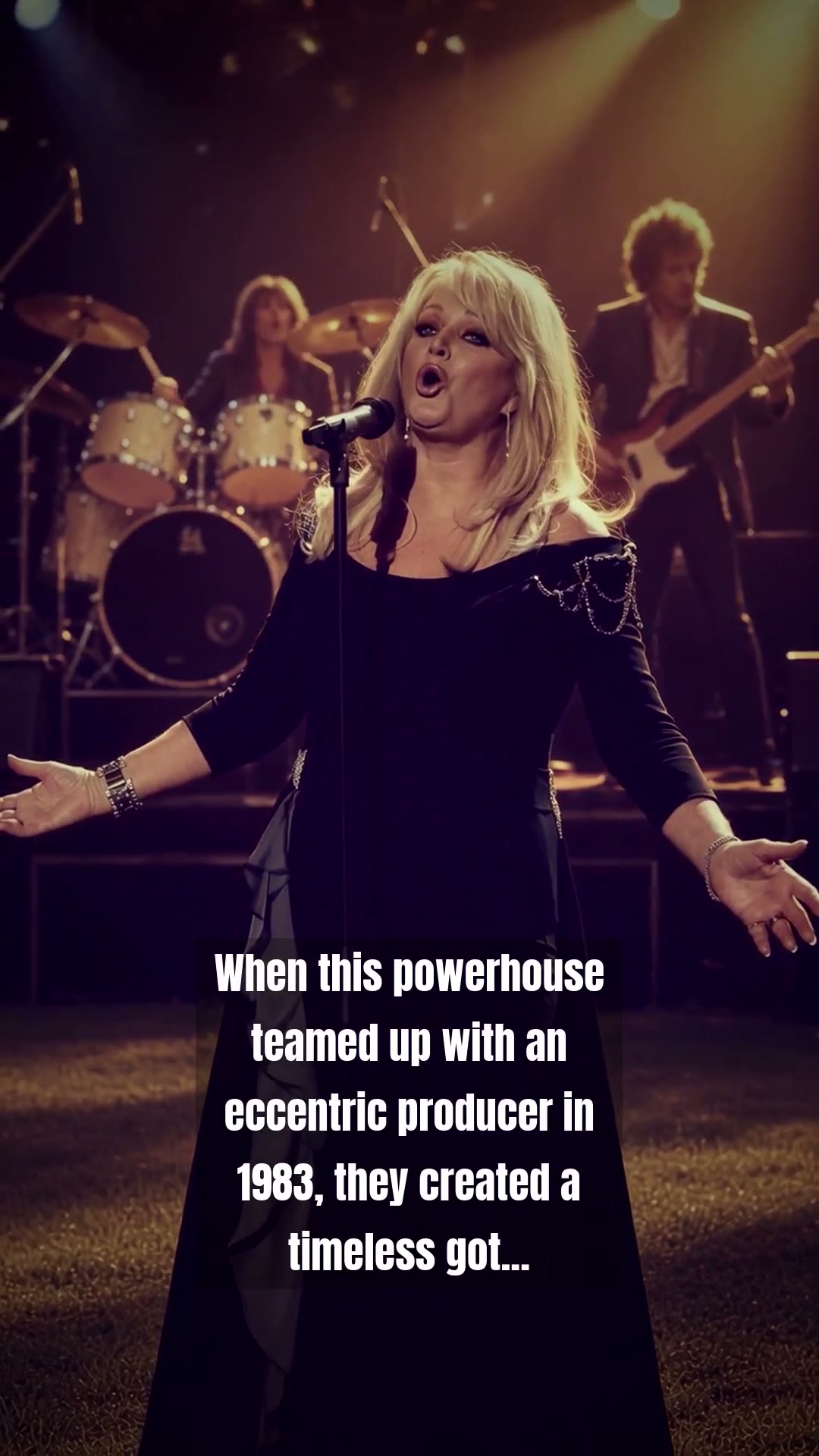
It was 1983, and the airwaves were dominated by the polished, synthetic sheen of the new romantics. Yet, amidst the sterile glitter of the charts, a thunderous, operatic storm was brewing. Bonnie Tyler, a Welsh singer with a voice that sounded like it had been tempered in a coal furnace, was looking for a fresh direction. She found it in the eccentric, visionary genius of Jim Steinman. Their meeting was not merely a collaboration; it was a collision of two creative forces that would go on to craft a song so dramatic, so unapologetically gothic, that it redefined what a power ballad could be.
Most people remember the iconic opening piano chords of Total Eclipse of the Heart, but few realise the sheer audacity it took to record it. Steinman, fresh from his theatrical triumphs with Meat Loaf, brought a Wagnerian intensity to the studio. He saw in Bonnie Tyler not just a pop singer, but a tragic heroine capable of conveying the absolute devastation of love. The recording process was exhausting, a marathon of late-night sessions where the atmosphere was thick with creative tension and the smoke of countless cigarettes. They weren’t just making a record; they were crafting a sonic landscape that felt like a stormy night in the Welsh valleys.
In an era when music videos were becoming a staple on the telly, the visual accompaniment to the song only added to its mysterious allure. Filmed in a haunting, deserted asylum, the video featured gothic imagery that would have looked right at home in a Victorian novel. It was bold, bizarre, and utterly unforgettable. The song didn’t just climb the charts; it dominated them, reaching the top spot in the UK and across the globe. It proved that in an age of calculated pop, there was still a massive hunger for raw, unvarnished human emotion.
Looking back, the synergy between Bonnie Tyler and Jim Steinman remains one of the most fascinating tales of the eighties. Steinman had a knack for pushing artists to their absolute limit, and Bonnie Tyler rose to the challenge with a grit that few of her peers could replicate. She possessed the rare ability to make every word sound like a life-or-death confession. When she belted out those high notes, you could feel the weight of every heartbreak you had ever experienced. It was authentic, it was visceral, and it was undeniably British in its sense of theatrical flair.
Why does it still give us shivers today? Perhaps because modern music often lacks that sense of grand, sweeping melodrama. We have become accustomed to perfection, but this masterpiece was gloriously, beautifully flawed. It reminds us of a time when music didn’t have to fit into a neat box. Whether you caught the video on Top of the Pops or heard it blasting from a mate’s car, it is a sound that defines a generation. So, put it on loud tonight, turn down the lights, and let that raspy, haunting voice take you back to 1983.