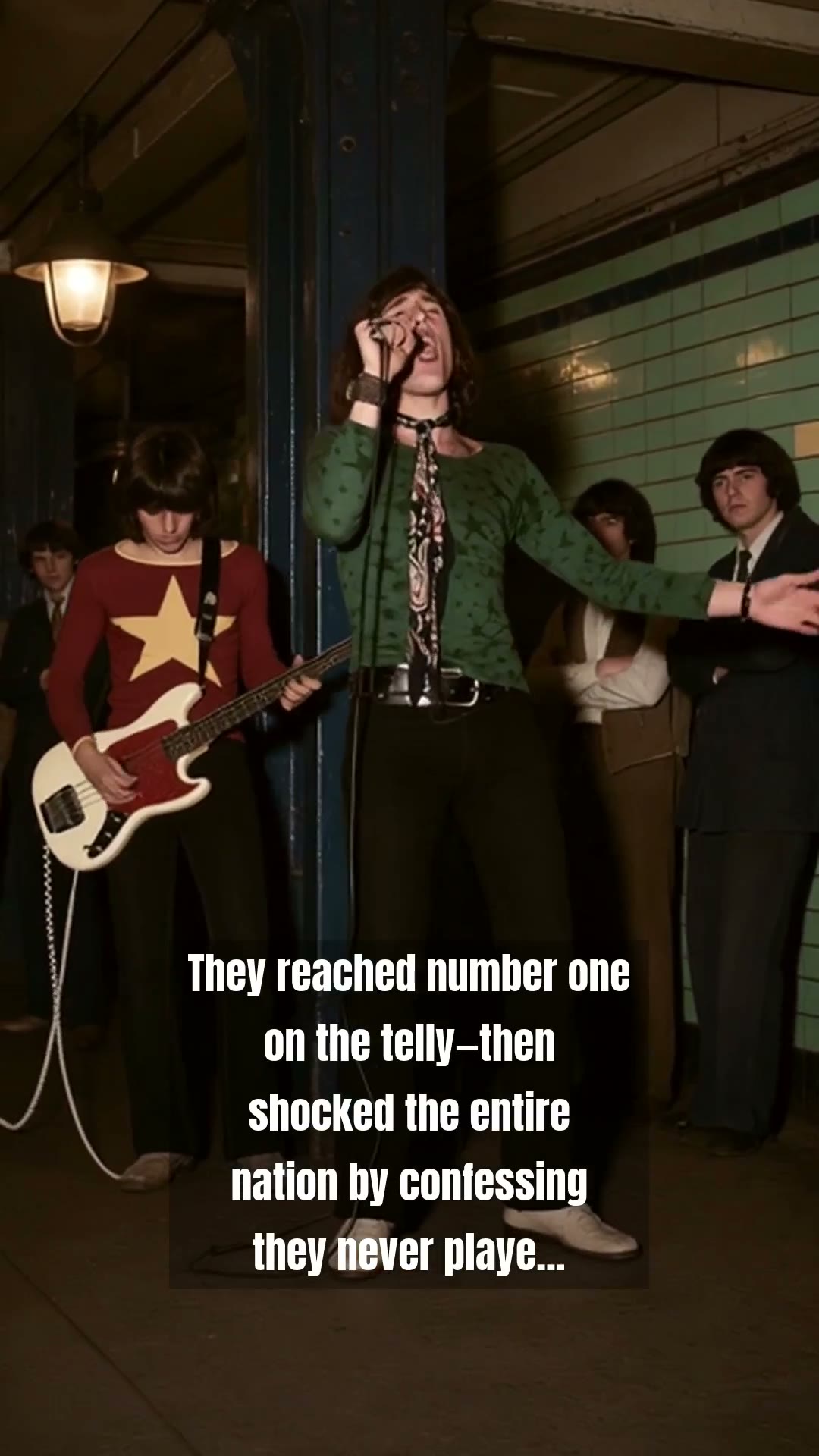
It was 1968, the year the world seemed to be shifting on its axis. Across the UK, teenagers were glued to their telly sets, waiting for the latest chart-toppers to grace the screen on Top of the Pops. Among the most popular acts of the time was Love Affair, a sharp-dressed group of youngsters with a hit single, Everlasting Love, that had climbed to the very top of the charts. They were the quintessential British pop idols, exuding a cool, effortless charm that made every teenage girl in the country swoon. But beneath the velvet suits and the polished exterior, a massive deception was unravelling, one that would eventually shock the entire nation to its core.
The truth behind the success of Love Affair was not merely a case of artistic creative differences, but a complete fabrication of their musical identity. During a time when the British music scene was obsessed with authenticity, the band made a startling confession that left the public feeling utterly betrayed. While the nation had spent weeks singing along to the soaring vocals and orchestral arrangements of their favourite tracks, it was revealed that the young men on stage were merely a front. They had not played a single note on their own record. Instead, seasoned session musicians had done the heavy lifting in the recording studio, while the band members simply mimed along when the cameras started rolling.
To realise the scale of this scandal, one must look at the climate of the late sixties. Music was beginning to move towards a more serious, authentic craft, and fans held their heroes to a standard of genuine musicianship. When Love Affair confessed to this charade, the backlash was swift and unforgiving. It was seen as a cynical move by producers to package a pretty face for the charts, stripping away the soul that fans craved. The band, fronted by the charismatic Steve Ellis, found themselves in the middle of a national debate about what it meant to be a real artist. The glitter and glamour of the pop world had been punctured by the harsh reality of studio trickery.
Despite the controversy, the song itself remains a quintessential relic of the decade, dripping with that distinctive, dramatic British sound that defined 1968. Looking back, the Love Affair saga acts as a cautionary tale of the dark side of fame and the ruthless machinery of the music industry. It highlights the tension between the image manufactured for mass consumption and the actual human labour involved in creating a hit. It is a story that still resonates today, reminding us that behind every shiny pop exterior, there is often a much more complex, and sometimes messy, history.
Though the band eventually faded from the dizzying heights of the top ten, they remain a fascinating footnote in British music history. Their story is a reminder of a time when the telly was the ultimate arbiter of taste, and the power of a studio-perfect record could deceive an entire country. Even now, hearing the opening chords of their biggest hit brings back a sense of nostalgia for an era when the music industry was just beginning to realise the true power—and the risks—of the pop machine.