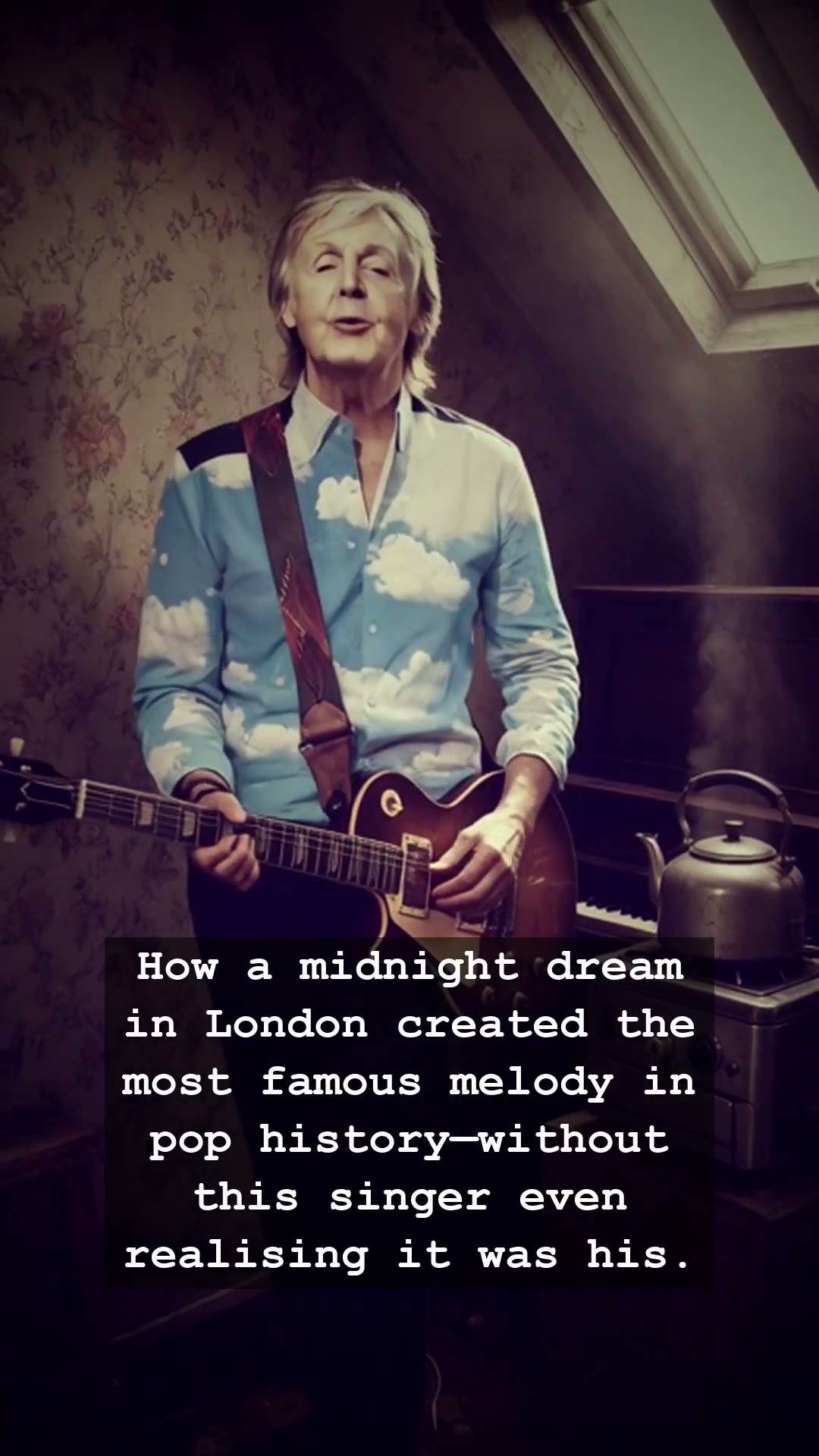
Picture the scene: London in the spring of 1965. The Beatles had already conquered the telly, sent thousands of fans into a frenzy at every live gig, and transformed British pop culture forever. Yet, even at the height of Beatlemania, the creative pressure was relentless. One foggy night in a flat off Wimpole Street, a young Paul McCartney tumbled into bed, completely exhausted. Little did he know, his subconscious was about to hand him a piece of musical gold that would outlive them all.
When Paul woke up the following morning, a tune was playing softly in his head. It was fully formed, hauntingly beautiful, and dripping with a melancholy that felt entirely unfamiliar. He didn’t even immediately realise it was his own creation. Panicked that he had inadvertently stolen a stranger’s forgotten melody from the radio or a late-night pub session, he practically bolted upright. He rushed over to a nearby piano, desperate to check if he was accidentally plagiarising some obscure Victorian parlour song.
For weeks, Paul became an absolute nuisance to everyone he met. He would corner his mum’s friends, fellow musicians, and industry insiders at Abbey Road Studios, playing the chords over and over again with a worried furrow in his brow. Do you know this? Have you heard this before? he would ask anxiously. Everyone shook their heads. There was no record of it anywhere. It was entirely, miraculously, his own.
Originally working with the temporary, rather mundane working title Scrambled Eggs while waiting for better lyrics to materialise, the track eventually became Yesterday. Recorded with just Paul and an acoustic guitar, backed delicately by a string quartet arranged by George Martin, it broke every rule in the traditional rock and pop playbook. It was stripped-back, deeply vulnerable, and a million miles away from the roaring teenage anthems that had first brought the Fab Four to fame.
The song went on to become the most covered track in the entire history of recorded music, inspiring thousands of interpretations by everyone from Frank Sinatra to Ray Charles. Yet its origins remain one of pop history’s most charmingly surreal moments. It proves that sometimes, our greatest masterpieces arrive not through graft or endless tinkering, but through a fleeting midnight whisper from the dream world.
Decades later, whenever that unmistakable opening chord rings out across the radio, it still carries the weight of 1960s London and the unstoppable genius of Paul McCartney. It takes us right back to an era when four lads from Liverpool changed the soundtrack of the world forever. Have you ever wondered what brilliant creations might be hiding in your own dreams tonight?