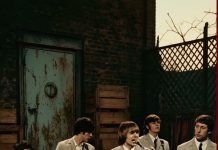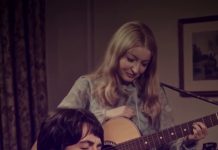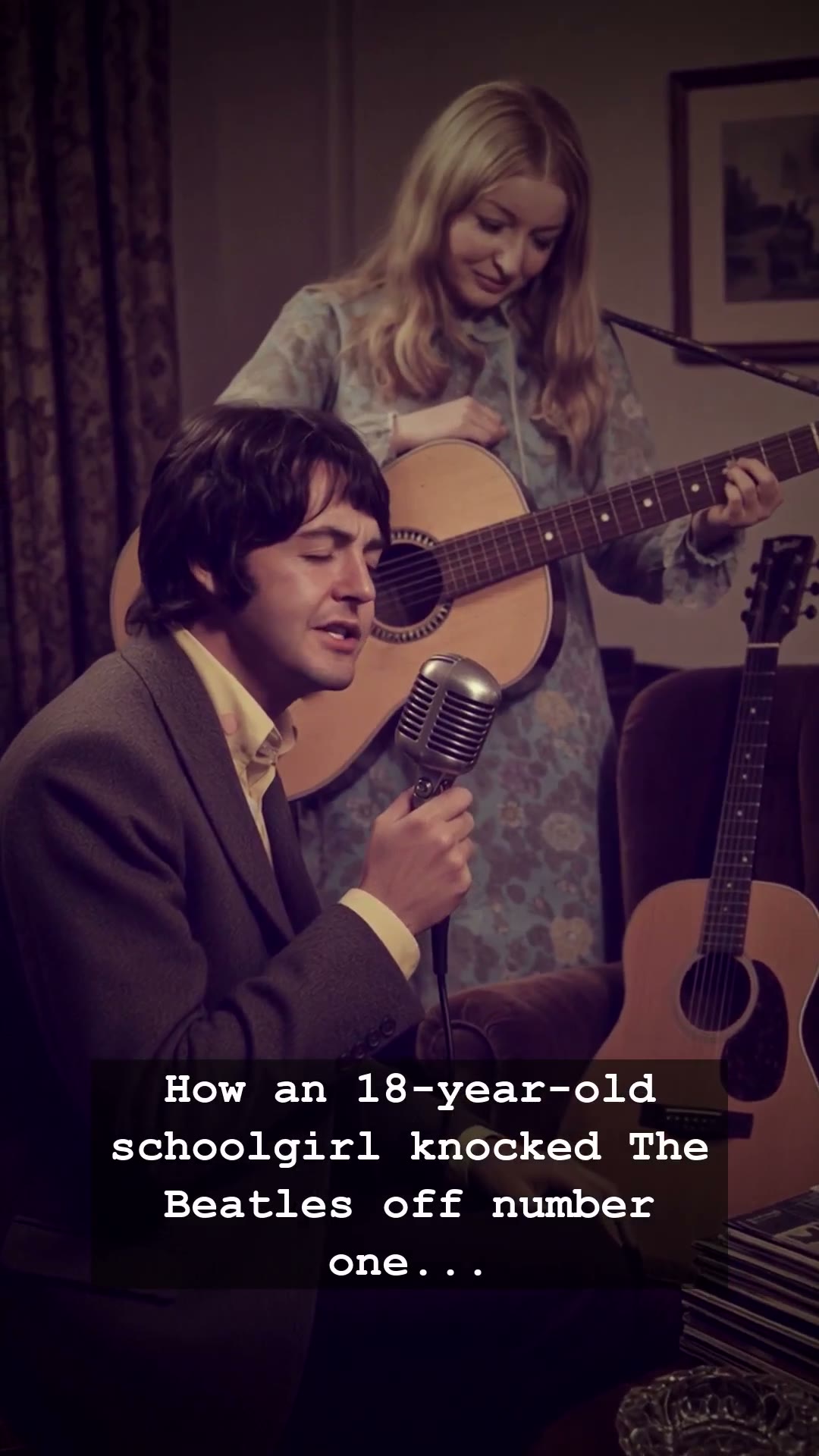
It was 1968, and the British music scene was undergoing a seismic shift. While the psychedelic experiments of the late sixties were in full swing, a soft, melancholic hum began to drift across the nation from the telly. Mary Hopkin, a wide-eyed eighteen-year-old from Pontardawe, Wales, had been plucked from obscurity after an appearance on the talent show Opportunity Knocks. Within weeks, she found herself not just at the top of the charts, but standing on the shoulders of giants. It is a story that feels almost like a fable today—a quiet girl with a guitar managing to knock The Beatles from the number one spot with her haunting debut, Those Were the Days.
To realise the scale of this achievement, one must understand the cultural grip The Beatles held at the time. When Mary Hopkin arrived at Apple Records, she was essentially taken under the wing of Paul McCartney himself. He was captivated by her pure, ethereal voice and the way she could turn a Russian folk song into an anthem of nostalgic longing. For a generation caught between the fading optimism of the sixties and the looming grey reality of the seventies, her song became a mirror. It captured the quiet weight of our happiest memories, that strange, wistful sensation of looking back at a youth that was already beginning to slip through our fingers.
I still remember sitting in my mum’s kitchen, the smell of Sunday roast lingering, while that melody poured out of the wireless. It was a colour of music we hadn’t quite heard before—not the brash energy of the Mod scene or the frantic pace of the clubs, but something ancient and deeply human. Mary Hopkin didn’t carry the swagger of the rock stars who dominated the NME headlines; she possessed a modest, authentic charm that made her an overnight sensation. Her success was a rare moment of genuine sweetness in an industry that was rapidly becoming obsessed with excess and ego.
Yet, the music business is a fickle beast. The pressure of stardom, the constant glare of the cameras, and the relentless demands of touring eventually took their toll. Mary Hopkin often spoke of her discomfort with the machinery of fame. While others revelled in the glamour, she was a girl who simply loved to sing. Her journey serves as a poignant reminder of the fragility of that era; it was a time when a schoolgirl could walk into a studio and change the course of pop history, only to choose a quieter life when the lights grew too bright for her comfort.
Decades later, when we hear those opening chords, we are transported back to a different Britain. It is a testament to the enduring power of her voice that the song hasn’t lost its shimmer. Whether you remember the buzz of the charts at the time or you have discovered her music through the dusty vinyl of a favourite record shop, the impact remains the same. Mary Hopkin remains a singular figure in our musical landscape, a reminder of a moment when the charts were conquered not by force, but by the sheer, heartbreaking beauty of a melody that refused to be forgotten.