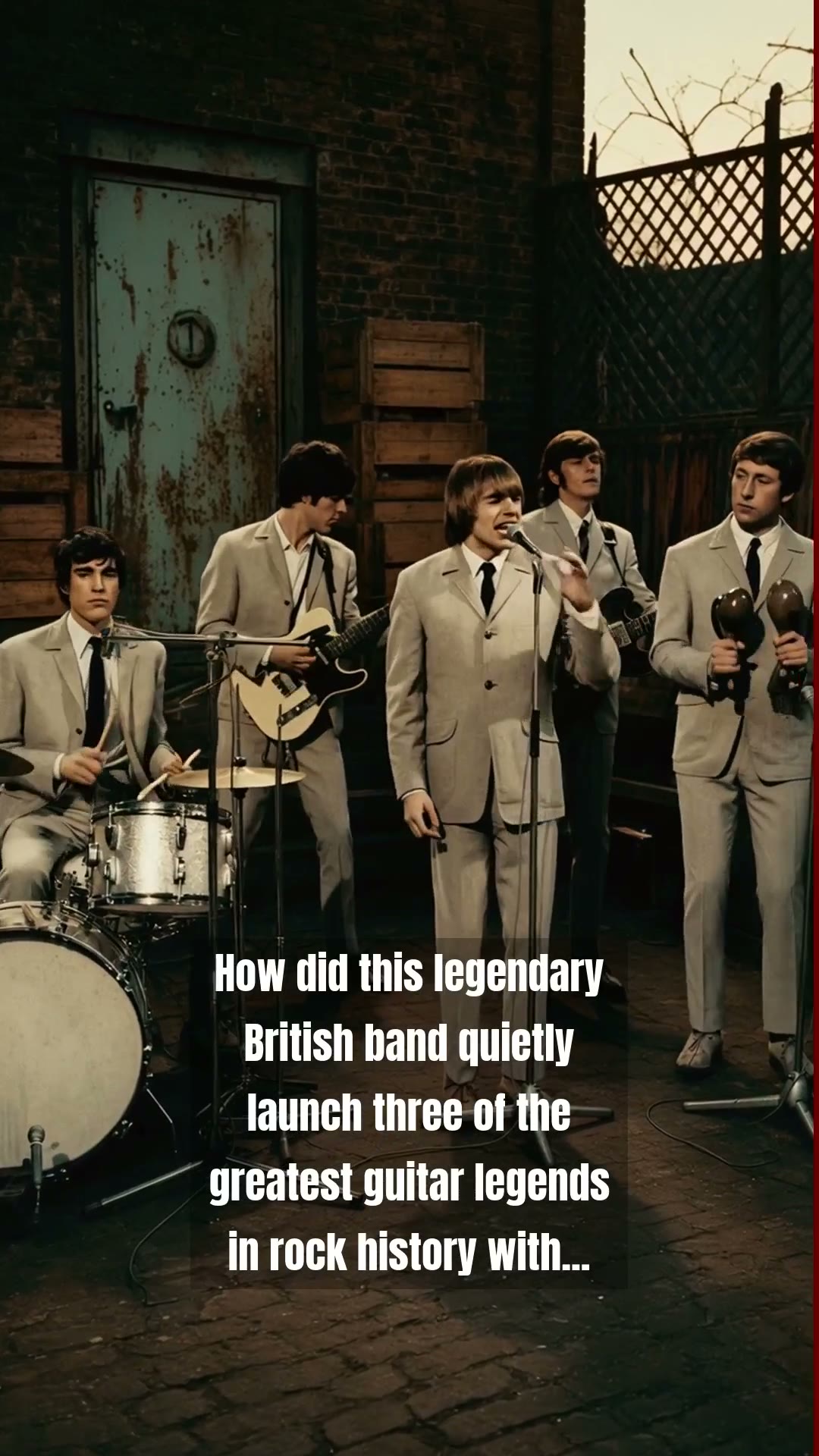
It is a peculiar thing to look back at the swinging sixties and realise that one British band was, quite by accident, the ultimate nursery for rock and roll royalty. The Yardbirds, often remembered for their frantic, blues-infused hits, possessed a revolving door that saw the three most influential guitarists in history pass through its frame. It is the sort of musical mythology that sounds far-fetched, yet the reality is etched into the very DNA of British rock. Between 1963 and 1968, this band was the crucible where Eric Clapton, Jeff Beck, and Jimmy Page were refined, long before they became the stadium-filling titans we recognise today.
Back in the day, when the telly was flickering with grainy footage of Top of the Pops and the air was thick with the scent of cheap cigarettes and hairspray, The Yardbirds were a curious bunch. They were not merely a band; they were an incubator. Eric Clapton was the first to grace their ranks, bringing a purist’s obsession with the blues that helped shape their early sound. However, when his commitment to the genre clashed with the band’s commercial ambitions, he walked away. Little did anyone realise that his departure would pave the way for a succession of talent that would change the electric guitar forever.
Enter Jeff Beck, a man whose experimental spirit and distinctively jagged, soulful style pushed the band into psychedelic territory. He brought a certain colour to their sound that was miles away from the standard rhythm and blues fare of the time. But the story took another twist when Jimmy Page, a seasoned session musician, stepped in—first on bass, then on guitar. Watching these three giants inhabit the same space, even briefly, feels like witnessing a shift in the tectonic plates of music history. It was a chaotic, brilliant, and often exhausting era for the band members, who were simply trying to survive the breakneck pace of the industry.
The tragedy, if one can call it that, is that The Yardbirds never quite captured the global superstardom that their successors enjoyed. They were the bridge that carried rock from the smoky, subterranean clubs of London to the massive arenas of the seventies. They provided the training ground, the stage, and the pressure that forged these guitar gods. Whether it was the raw, unbridled energy of a gig at The Cavern Club or the meticulous studio sessions that hinted at what Page would later create with Led Zeppelin, the band’s influence remains unmatched.
When we listen to those old records today, there is a haunting quality to them. It is not just about the notes played, but the sheer momentum of the era. The Yardbirds existed in that electric sliver of time when everything felt possible and nothing was certain. We owe a great deal to their revolving line-up, which served as a masterclass in guitar innovation. Perhaps it is time we stop viewing them as a band that missed their moment, and instead recognise them as the architects of our favourite rock legends. It was a marvellous, wild ride, and we were all the better for it.