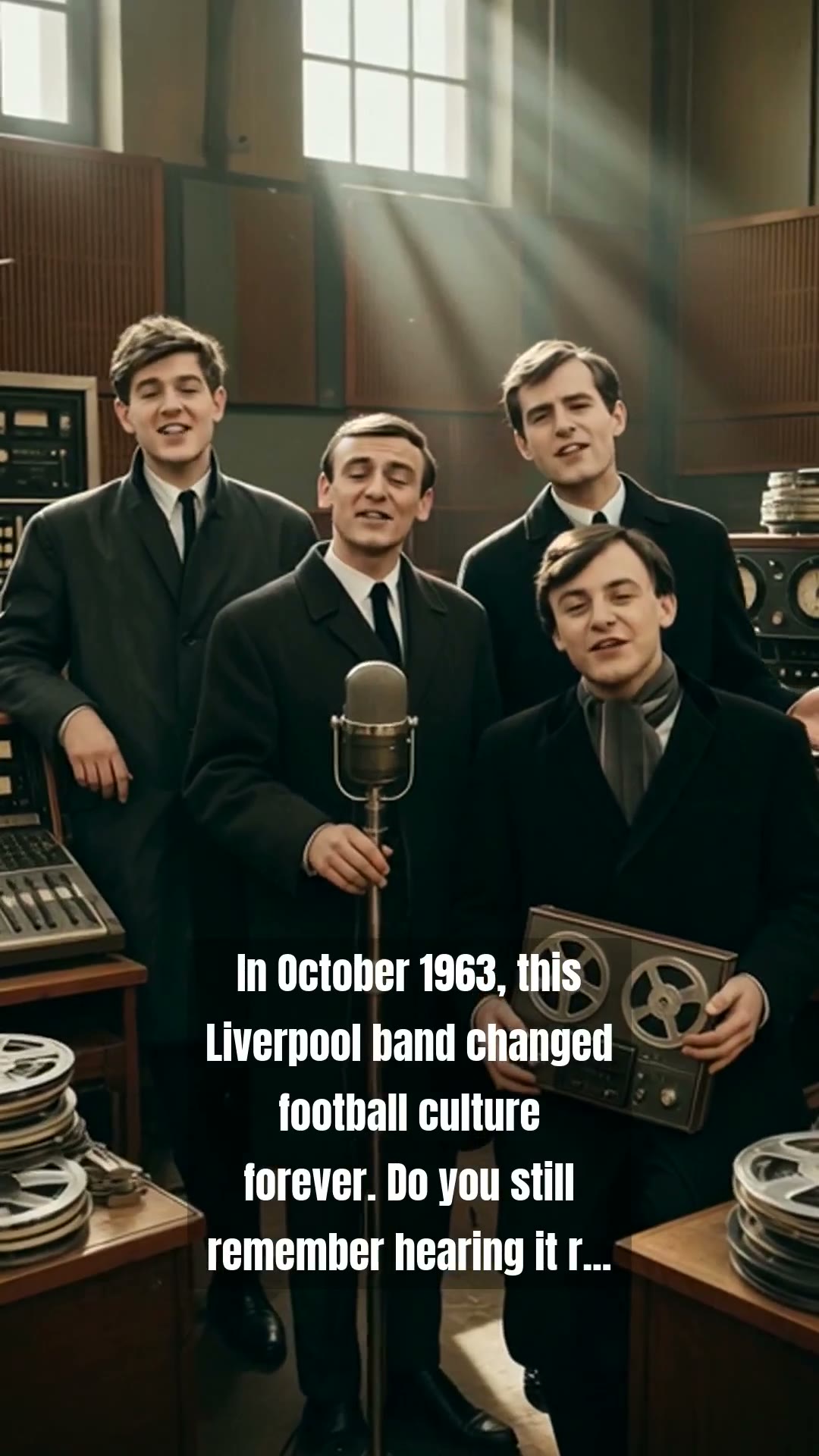
It was October 1963, and the air in Liverpool felt electric, charged with the kind of creative tension that only a city on the cusp of a cultural revolution could conjure. While the world was fixated on the chart-topping antics of the Fab Four, another local outfit was quietly preparing to etch their name into the soul of Britain. Gerry and the Pacemakers, led by the charismatic Gerry Marsden, were about to release a cover of a show tune that would transcend the pop charts and settle deep into the collective heart of the nation. It was not just a song; it was a promise.
The track, a reimagining of ‘You Will Never Walk Alone’ from the musical Carousel, was a bold choice for a beat group. Yet, when Gerry Marsden and his bandmates stepped into the studio, they didn’t just record a melody; they infused it with the gritty, sincere spirit of Merseyside. It hit the top spot of the UK charts, but its true journey wasn’t measured in record sales or magazine covers. Its real destiny lay hidden within the steel and concrete terraces of Anfield, where a new kind of magic was brewing under the floodlights.
Back then, the Kop was a different beast altogether. Before the all-seater stadiums and the sanitised atmosphere of the modern Premier League, the terraces were a roaring, swaying mass of humanity. When the disc jockey at Anfield began playing the Top 10 hits of the day over the primitive tannoy system, the faithful fans started to sing along. When Gerry and the Pacemakers reached the charts, the song became a fixture. It wasn’t long before the ritual began: forty thousand voices joining in, creating a sound so powerful that it could make the hair on your arms stand up. The sheer volume was staggering, a spine-tingling moment of unity that turned a pop song into a sacred footballing hymn.
It is fascinating to realise how deeply this song reshaped the culture of the beautiful game. What started as a chart-topper for a local band became the ultimate emblem of loyalty and defiance. Every time those chords rang out, the city of Liverpool felt like a village. It was a shared experience, an emotional tether that bound the players on the pitch to the supporters in the stands. Even decades later, it is difficult to hear those opening notes without being transported back to that smoky, atmospheric era of British music.
While fashions have changed and the telly has brought every match into our living rooms, the legend of Gerry and the Pacemakers remains untarnished. They captured a moment of pure, raw connection that defined the sixties. As we look back, we appreciate not just the music, but the way it gave voice to an entire community. The next time you find yourself at a gig or simply listening to an old record, take a moment to remember the boys from Liverpool who taught a stadium how to sing together. It is a timeless reminder that, in the face of any challenge, we never truly walk alone.