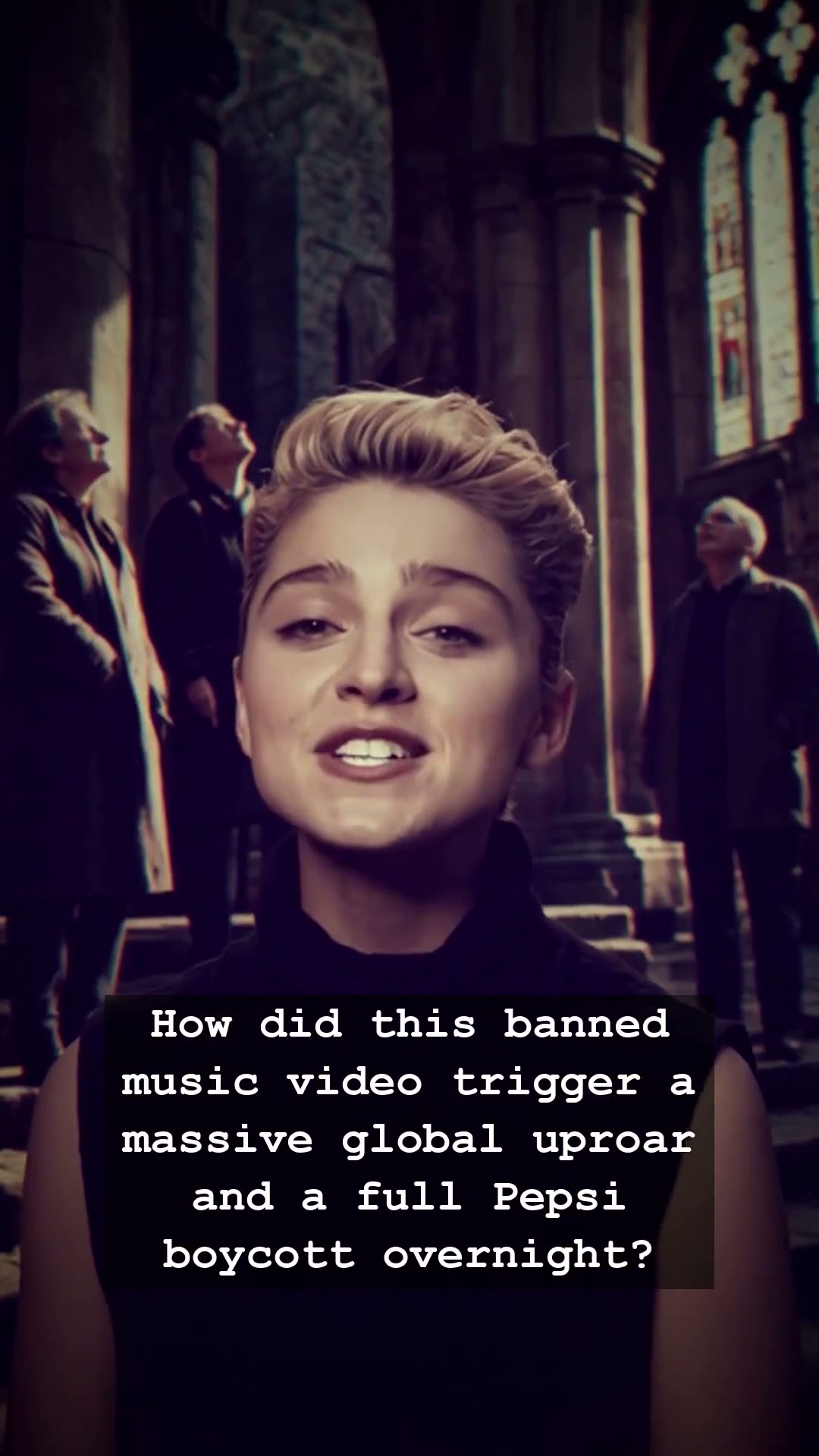
Picture the scene: it is March 1989, and millions of families across Britain are sat down with a cuppa to watch their favourite evening telly. Little do they know, a pop storm is brewing that will soon engulf the entire globe. Madonna, the undisputed queen of reinvention, is about to drop a visual masterpiece that will send shockwaves from the streets of London to the corporate boardrooms of New York. The music video for Like a Prayer did not just push boundaries; it shattered them entirely, sparking a moral panic and a massive boycott that nobody saw coming.
At the heart of the uproar was a heady mix of religious iconography, burning crosses, and a storyline tackling racial injustice. For conservative groups, it was a step too far. Pepsi, having just inked a multi-million-pound sponsorship deal with the pop icon to use the track for their latest global advertising campaign, suddenly found themselves caught in the crossfire. Parents were up in arms, religious leaders called for blood, and terrified executives watched in horror as angry punters threatened to boycott the fizzy drink altogether. After just one broadcast of the commercial, the plug was pulled, leaving Madonna richer by millions from the cancelled contract but temporarily barred from the living rooms of polite society.
Yet, looking back from this distance, the whole episode feels like a masterclass in modern publicity. While the tabloids had a field day splashing her face across every headline, Madonna remained utterly defiant. She did not apologise, nor did she water down her artistic vision. Instead, she leaned into the controversy, proving once and for all that she understood the power of visual media better than any artist of her generation. It was a watershed moment for pop culture, bridging the gap between high art, social commentary, and commercial enterprise in a way that had never been done before.
For those of us old enough to remember rushing down to the local record shop to buy the single on cassette, the era holds a peculiar kind of magic. We lived through a time when music videos felt like dangerous, forbidden fruit, capable of shaking the establishment to its core. You would wait by the telly for hours just to catch a glimpse of the controversial footage, sharing hushed whispers about it in the school playground or down at the local pub. It was an era of genuine shock value, long before the internet sanitised our daily dose of pop culture rebellion.
Decades later, the uproar surrounding Madonna and her iconic track feels like a relic of a bygone age, a simpler time when a music video could genuinely halt international commerce and dominate dinner table conversations for weeks. Yet the resonance of that moment lingers on. It reminds us of an artist who refused to bow to pressure and a time when pop music possessed the raw power to provoke real debate. Pour yourself a brew, put the track on the stereo, and let us know in the comments where you were when the storm finally broke.