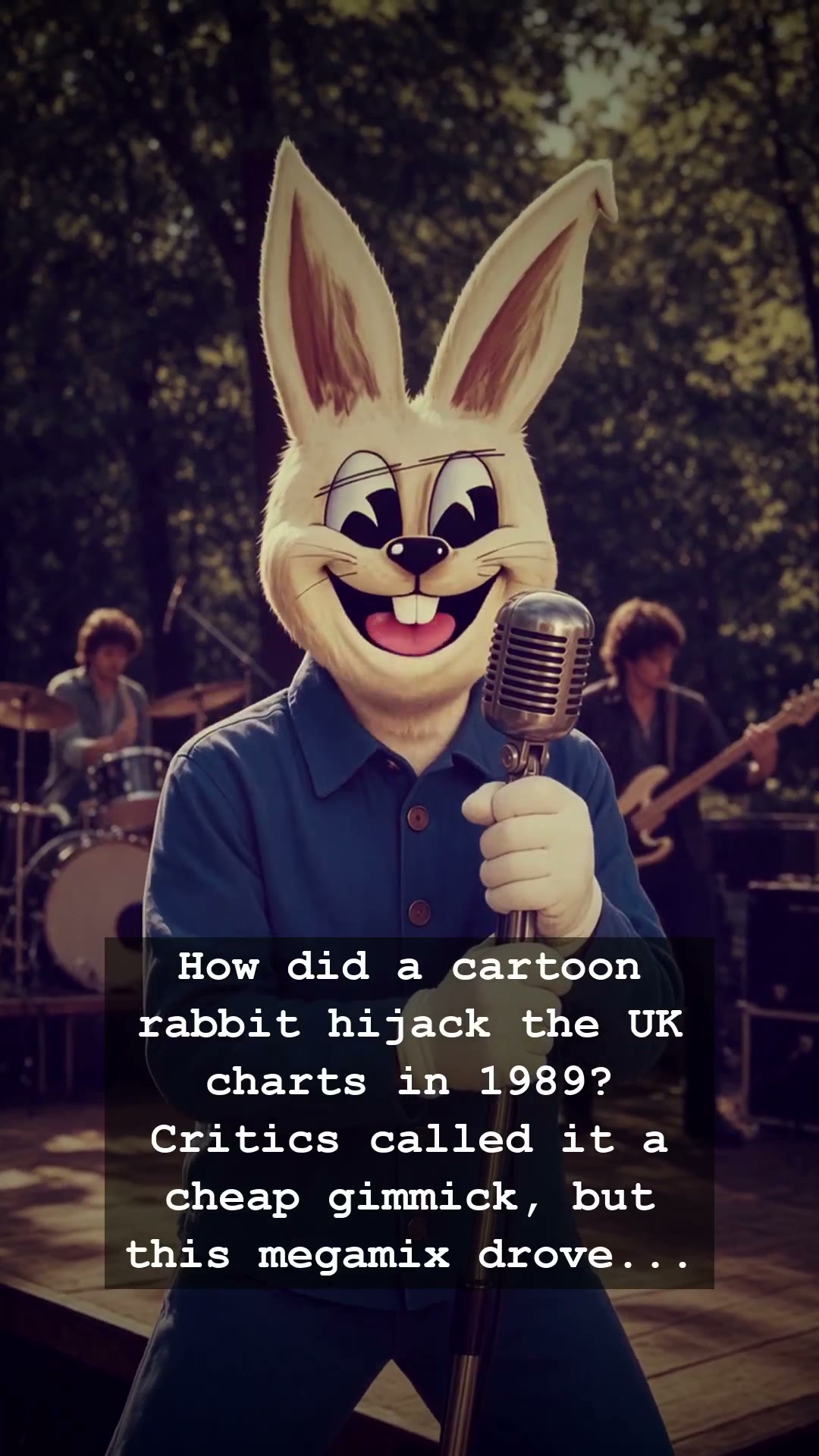
It was 1989, and the British airwaves were undergoing a peculiar transformation. If you were huddled around the telly or flicking through the wireless, you could not escape it. From the local pub jukeboxes to the school discos, a bizarre, high-energy soundscape dominated the nation. It was the era of the megamix, a clever splicing of golden oldies, and at the centre of this whirlwind was an unlikely pop icon: a cartoon rabbit named Jive Bunny. To the critics, Jive Bunny and the Mastermixers were a cynical, cheap gimmick. Yet, for the rest of us, it was the soundtrack to a brilliant, foot-tapping summer that we simply could not resist.
Looking back, the rise of Jive Bunny and the Mastermixers feels like a fever dream of late-eighties pop culture. Created by Les Hemstock and the team behind the Mastermix DJ service, the act took the rock and roll classics of the fifties—tracks that had been gathering dust in our parents’ record collections—and fused them into a relentless, beat-heavy medley. While the snobs at the NME turned their noses up at the lack of artistic depth, the British public begged to differ. When ‘Swing the Mood’ hit the airwaves, it captured a collective nostalgia that felt both fresh and familiar. It was impossible to sit still once the synthesisers kicked in, bridging the gap between the boogie-woogie era and the burgeoning dance music scene.
The genius, or perhaps the madness, lay in the presentation. By fronting the music with a cartoon bunny, the producers tapped into a sense of kitsch that was quintessentially British. It was daft, it was colourful, and it was entirely unpretentious. The tracks reached number one in the UK charts and stayed there, much to the chagrin of the ‘serious’ musicians of the time. You have to realise that back then, the music charts were a battlefield. One week it was the moody, post-punk introspective sounds, and the next, it was this furry character leading a charge of Buddy Holly and Glenn Miller samples. It was a chaotic, brilliant collision of eras that redefined what a chart-topper could actually be.
Was it a novelty act? Undoubtedly. But the success of Jive Bunny and the Mastermixers wasn’t just about clever marketing; it was about the communal joy of a good singalong. It reminded us that music doesn’t always have to be brooding or complex to be meaningful. Sometimes, you just want to let your hair down. The sheer persistence of the act—spawning multiple hits like ‘That’s What I Like’—proved that the British public had an insatiable appetite for these rapid-fire medleys. It became a staple of every party, wedding, and social gathering for years to follow.
Today, when you hear those iconic opening bars, it is hard not to feel a twinge of nostalgia for a simpler, perhaps slightly sillier, time in music history. It was the moment pop music decided not to take itself too seriously. Whether you loved it or found it a bit of a nuisance, Jive Bunny and the Mastermixers left an indelible mark on the decade. Do you remember where you were when the rabbit took over the charts, or have you tried your best to forget?