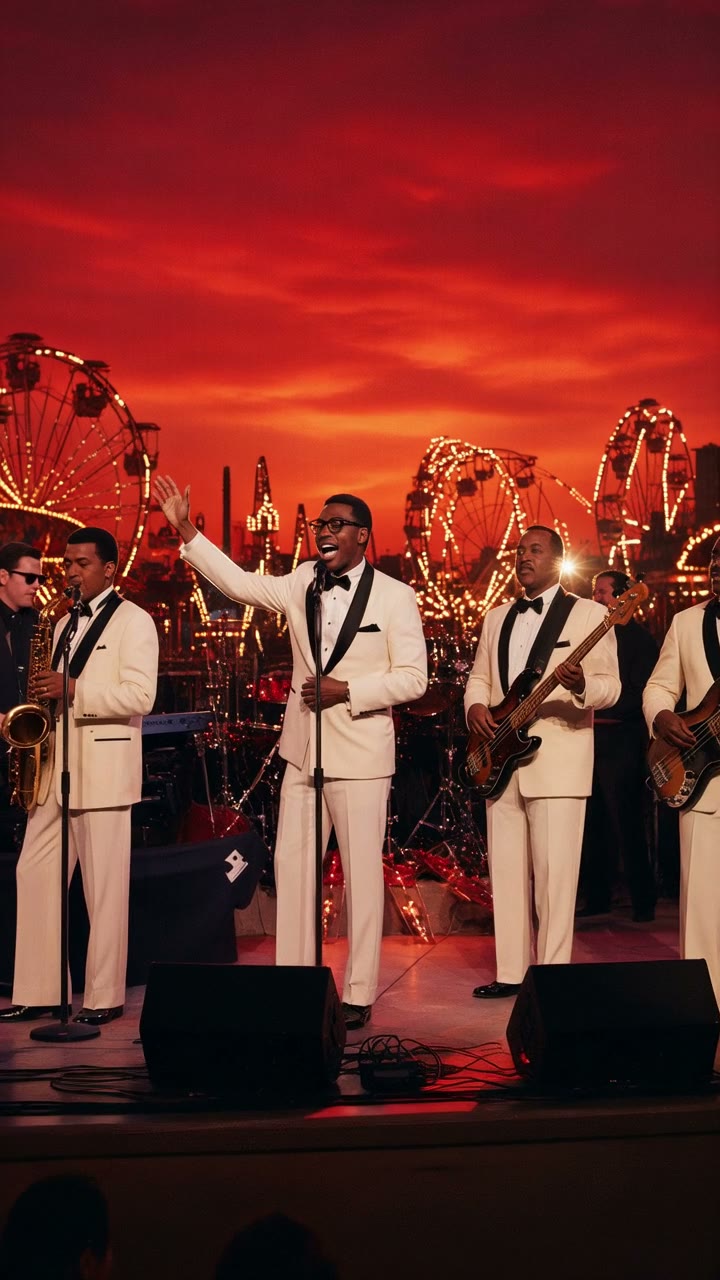
In the golden era of 1964, a sun-drenched melody began playing on every transistor radio and jukebox across America. It was the sound of pure, unadulterated summer: The Drifters and their iconic track, Under the Boardwalk. To the millions of teenagers dancing on the sand, it was the ultimate anthem of romance and seasonal freedom. But behind the shimmering strings and the effortless harmonies lay a chilling reality that would have shattered the hearts of their fans had they known the truth. The story of The Drifters is not just one of musical triumph, but a haunting narrative of profound loss and the brutal, mechanical demands of the music industry in the mid-sixties.
Only hours before the band was scheduled to step into the recording studio to immortalize this masterpiece, the news broke like a thunderclap. Rudy Lewis, the soulful lead singer who had been the backbone of the group, was found dead. He was only twenty-seven years old. The circumstances surrounding his sudden departure left the remaining members of The Drifters in a state of absolute shock and grief. They were paralyzed by the trauma, mourning a brother and a friend, yet they were caught in the unforgiving machinery of a record label that cared far more for release dates than the sanctity of human life.
With the studio already booked and the clock ticking, the grieving band members were forced to make a gut-wrenching decision. Under intense pressure, they returned to the studio the very next morning. The result was one of the most jarring juxtapositions in music history. These men, struggling to process a devastating tragedy, had to stand before microphones and pour every ounce of their talent into a track that epitomized the carefree spirit of summer. When you listen to Under the Boardwalk today, try to hear past the polished production. There is a weight in those vocal harmonies, a lingering tension that reflects the true, hidden cost of their fame.
This era of music was defined by the transition from the innocence of the fifties to the more complex, often darker realities of the late sixties. The Drifters had navigated countless lineup changes before, but the loss of Rudy Lewis remains their most painful chapter. It highlights the dark side of the spotlight during an age where musicians were often treated as disposable commodities rather than human beings. The contrast between the breezy, lighthearted lyrics and the mourning hearts of the performers remains a testament to the sheer professionalism and endurance required of artists in that period.
Today, we look back at the legacy of The Drifters with a mix of awe and melancholy. Their songs are the soundtrack to our collective nostalgia, echoing from the drive-ins and boardwalks of a vanished America. By understanding the shadow that hung over their greatest hit, we appreciate the music on a deeper, more human level. Next time you hear those opening notes, remember the men who stood in the darkness so that we could enjoy the light of their song.