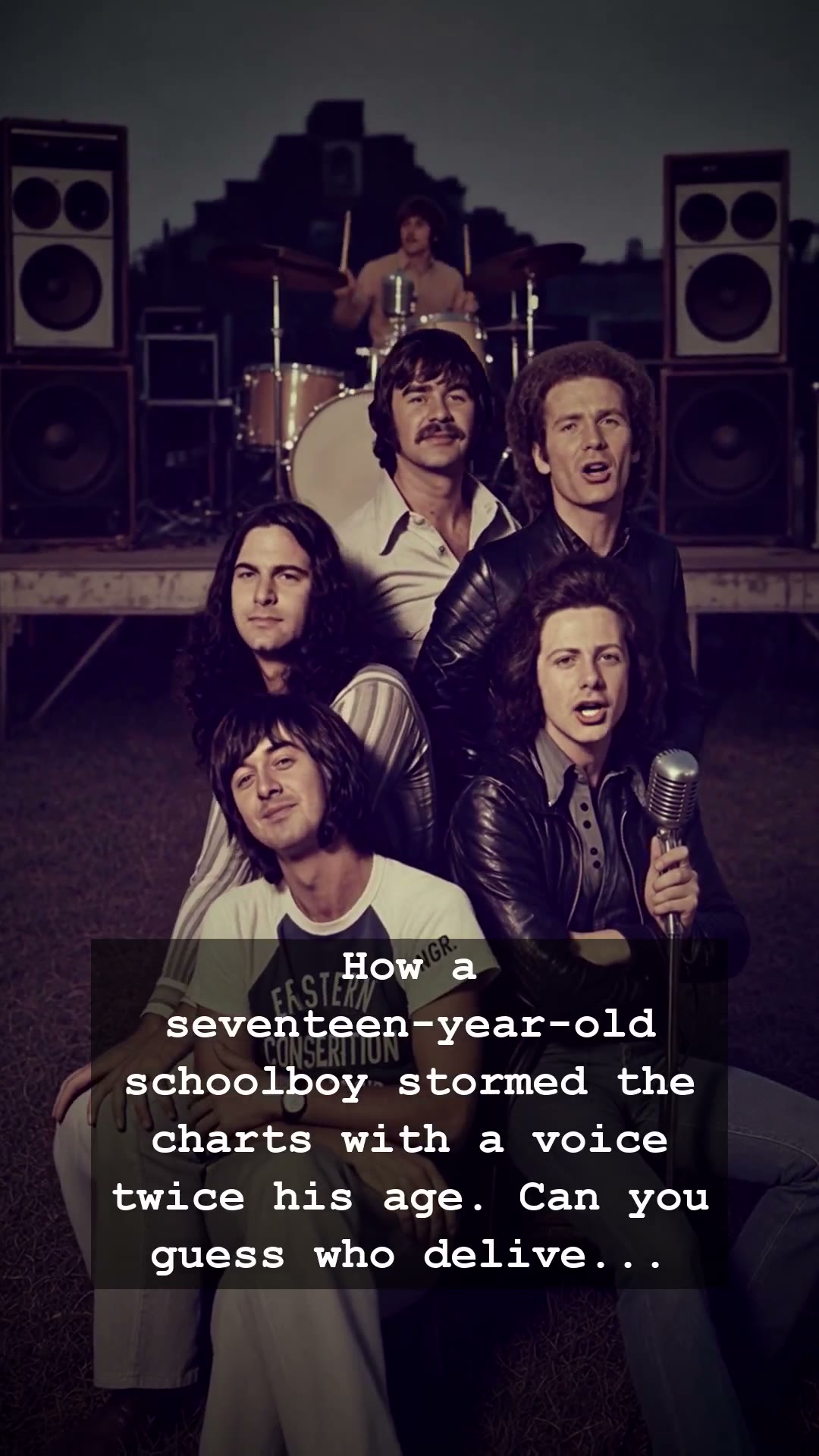
Picture the scene across British living rooms in the mid-sixties. Families would huddle around the glowing telly on a Thursday evening, waiting for Top of the Pops to blast through the speaker. Then, a voice cut through the air—a raw, guttural howl that sounded like it belonged to a seasoned American blues veteran twice his age. It belonged to a seventeen-year-old schoolboy named Steve Winwood, and alongside The Spencer Davis Group, he was about to turn the British beat scene entirely on its head.
Formed in Birmingham during the height of the early sixties rhythm and blues boom, The Spencer Davis Group carved out a gritty, hard-driving sound that stood apart from the polished pop coming out of London. While other bands chased chart-friendly melodies, Spencer Davis, brothers Steve and Muff Winwood, and Pete York dug deep into the delta blues, channelling it through British amplifiers with relentless energy and undeniable swagger.
By late 1965, the band captured lightning in a bottle with Keep On Running. Written by Jackie Edwards, the track was transformed by Steve Winwood’s astonishing rasp and a driving Hammond organ riff that felt practically atomic. When it knocked The Beatles off the top of the UK charts, it sent a shockwave through the industry. How on earth was a teenager fronting one of the most formidable blues-rock bands in the country?
Life on the road was a whirlwind of frantic gigs, sticky sweat, and screaming fans. The band became regulars on BBC radio sessions and tore up stages from Manchester to London, earning a fierce reputation for their blistering live performances. Steve sat hunched over his Hammond organ, effortlessly commanding the room while his mature, soulful delivery left audiences utterly spellbound. It was a golden era of British music where raw talent triumphed over studio gloss.
Though the classic lineup eventually fractured as members chased new musical horizons—with Steve Winwood later forming Traffic and Blind Faith—the legacy of The Spencer Davis Group remains etched into British rock history. Their dynamic fusion of soul and beat paved the way for the progressive rock explosion that would define the decade.
Even today, hearing those opening organ chords is enough to transport anyone right back to a smokey sixties dance hall. It reminds us of a time when music felt dangerous, urgent, and intensely alive. Have you ever spun a vintage Spencer Davis record on your turntable and marvelled at just how young Steve really was when he changed British music forever?