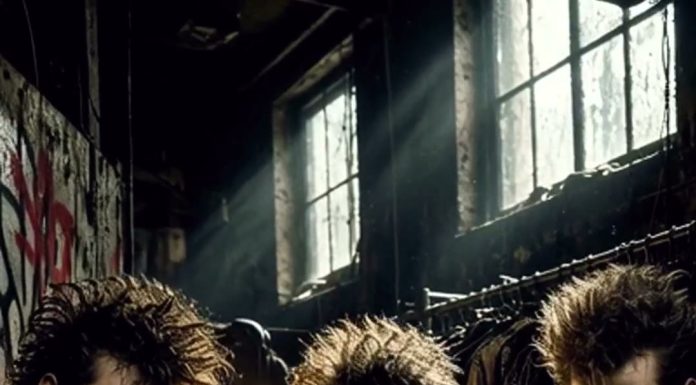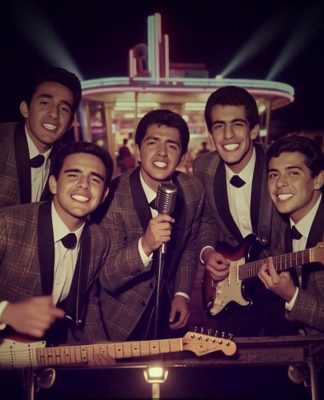
Picture the scene at Abbey Road in 1960. The air is thick with the scent of floor wax and stale cigarette smoke, a world away from the digital sterility of today’s studios. The Shadows, Cliff Richard’s legendary backing band, were fiddling about with a tune that felt all too polite, a bit too safe for their liking. Hank Marvin, Bruce Welch, and the lads were bored of the polished, radio-friendly fluff they were expected to churn out. That was until a cheeky, impromptu moment backstage turned everything on its head. Someone strummed a rough, percussive riff on a dusty ukulele, and suddenly, the room crackled with a new kind of electricity. That little tune became Apache, a track that would go on to sit at the number one spot for five weeks and alter the DNA of British guitar music for decades to come.
Before Apache, the electric guitar in Britain was largely seen as a supporting character, a polite rhythmic addition to a crooner’s vocal. But The Shadows had other ideas. They didn’t just play; they commanded the space. When you listen to those opening bars today, you can still hear the grit behind the polish. It wasn’t just a catchy melody; it was a revolution in instrumental rock. It gave young lads across the UK, from the terraces of Manchester to the suburbs of London, the belief that they didn’t need a golden-voiced frontman to make an impact. You just needed a Fender, a bit of attitude, and the courage to play something that felt real.
It is hard to realise now, looking back at the vintage grainy footage, just how much of a shift this was. The band carried themselves with a cool, understated style that defined the era. They weren’t jumping about like modern rock stars; they had that iconic, synchronised sway that became their trademark. It was a visual language as much as a musical one. For the millions of us huddled around the telly or glued to our wireless sets, The Shadows were the pinnacle of sophistication. They proved that instrumental music could be just as dramatic and emotive as any chart-topping ballad.
Of course, the industry was a different beast back then. There was no social media to manufacture hype; word of mouth spread like wildfire through the NME and the local dance halls. When Apache hit the airwaves, it didn’t just climb the charts; it stayed there, anchoring the nation’s collective mood during a grey British summer. It wasn’t just a hit; it was a cultural touchstone. It influenced everyone from Brian May to Mark Knopfler, proving that a single, well-placed riff could hold more weight than a thousand lyrical verses.
Even now, when I hear those opening chords, I am transported straight back to my childhood. There is a colour to that sound—a vibrant, reverb-drenched hue that captures the spirit of the early sixties. It reminds us of a time when the music felt like a secret shared between mates. The Shadows might have started as a backing act, but they became the architects of a sound that we still treasure. Do you remember the first time you heard it? It still carries that same magic, a reminder that the best music often starts with a simple, impulsive strum backstage.