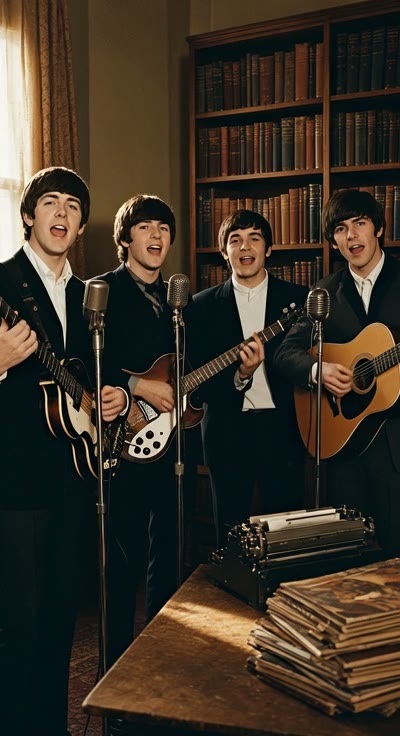
It was a crisp morning in 1965 when Paul McCartney woke up with a melody dancing inside his head. It was one of those rare, ethereal moments where a tune seems to arrive fully formed, as if pulled from the ether. Sitting at the piano in his family home, he began to hammer out the chords. But there was a catch, a nagging suspicion that plagued him for weeks. Paul was terrified that he had somehow pinched the melody from someone else’s song. It felt too perfect, too classic, and surely, he thought, a tune this beautiful must have existed somewhere already.
For nearly a month, Paul became the most paranoid man in London. He treated the song like a stolen secret, quietly playing the melody for anyone who would listen at The Cavern Club or during sessions at Abbey Road. He would lean in, looking for a flicker of recognition in their eyes, dreading the moment someone would say, Yes, that’s an old jazz standard. He asked George Martin, he asked his peers, and he even checked with the brass at the BBC to see if he had accidentally plagiarised a forgotten hit. It was a bizarre, restless period, but nobody recognised it. The melody was entirely his own.
To keep track of the tune while he searched for lyrics, he used a placeholder phrase that would make any fan of The Beatles chuckle: Scrambled eggs, oh my baby how I love your legs. It is a far cry from the melancholic, string-laden masterpiece we recognise today. Eventually, the scrambled eggs were discarded, replaced by the sombre, evocative lines about a love that had suddenly vanished. The transition from a silly breakfast ditty to the most recorded song in musical history is a testament to the sheer genius and the relentless perfectionism that defined the Fab Four during their golden years.
When Yesterday was finally released, it didn’t just top the charts; it changed the way we perceived popular music. It was a bold departure from the beat-heavy pop that had defined the British Invasion. By stripping back the instrumentation and introducing a string quartet, Paul McCartney helped break down the walls between classical arrangements and modern rock. It was a sophisticated, brave move that left the critics and the public equally stunned. It remains a definitive moment in the cultural history of the sixties, a song that captured the collective heart of a generation that was beginning to realise that the innocence of the early decade was fading fast.
Decades later, the song retains its original magic. It stands as a reminder of a time when the biggest bands in the world still had room for self-doubt and humble beginnings. Whenever I hear that opening acoustic guitar chord, I am transported back to a rain-swept London afternoon, sitting by the wireless. It is a quintessential piece of British musical heritage that still manages to stir the soul. Perhaps the next time you put the record on, you might just catch a faint, ghostly echo of those scrambled eggs beneath the surface.