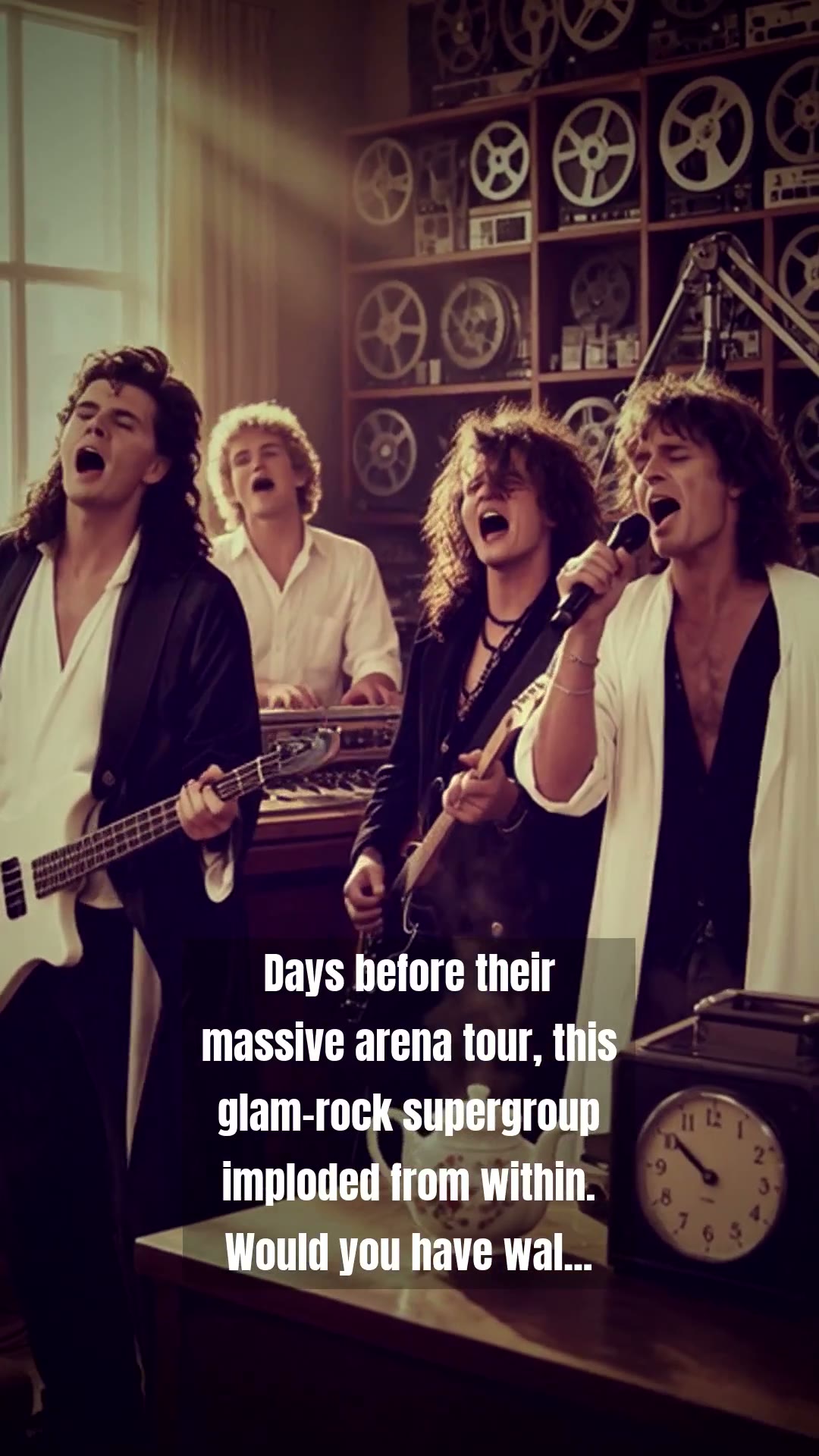
It was the spring of 1985, and the airwaves across Britain were crackling with an electric, neon-soaked energy. If you had the telly on, you could hardly miss the slick, sharp-suited aesthetics of The Power Station. This was a supergroup in the truest sense of the word: Duran Duran’s Andy Taylor and John Taylor joined forces with the incomparable Robert Palmer and Chic’s drumming powerhouse, Tony Thompson. They were the talk of the town, a glamorous collision of funk, rock, and pure, unadulterated style that seemed destined to redefine the decade. Yet, beneath the polished exterior and the pounding basslines of their chart-topping hits, the foundation was rapidly beginning to crack.
Imagine the scene: thousands of tickets sold, arenas booked across the globe, and a buzz that hadn’t been felt since the height of the British Invasion. Then, in a moment that sent shockwaves through the industry, the dream turned to dust. Just days before their massive, highly anticipated tour was set to kick off, Robert Palmer—the man whose voice had become the defining colour of their sound—simply walked away. It was a move that left fans gobsmacked and the music press in a state of absolute frenzy. One minute they were the hottest ticket in the country, and the next, the machine had ground to a shuddering halt.
Why would anyone abandon ship at the very zenith of their commercial success? For those of us who lived through the era, it felt like a betrayal of the magic. But the reality was far more complex than a simple tantrum. The Power Station was always an uneasy alliance, a high-octane project that burnt with an intense, singular flame. Palmer, a seasoned pro with a distinctive style, found the pressures of an arena tour and the frantic pace of a supergroup schedule to be at odds with his own artistic trajectory. He chose to realise his own potential elsewhere, leaving his bandmates to face the fallout of an empty stage and a shattered tour schedule.
Looking back, the implosion of The Power Station serves as a potent reminder of the fleeting nature of fame during that wild mid-eighties period. They existed for a blink of an eye, yet their brief spark left an indelible mark on our collective musical memory. They weren’t just a band; they were an event, a testament to the ego and the excess that defined the era. The irony, of course, is that this sudden disappearance only cemented their legendary status in the annals of British rock history.
Today, when those iconic opening chords of Some Like It Hot drift across the radio, it’s hard not to feel a twinge of nostalgia for what might have been. Would they have changed the face of rock forever? We will never know. Perhaps it is that very sense of mystery, that abrupt exit at the peak of their powers, that keeps us talking about them decades later. It was a classic case of rock and roll combustion—glorious, messy, and entirely unforgettable.