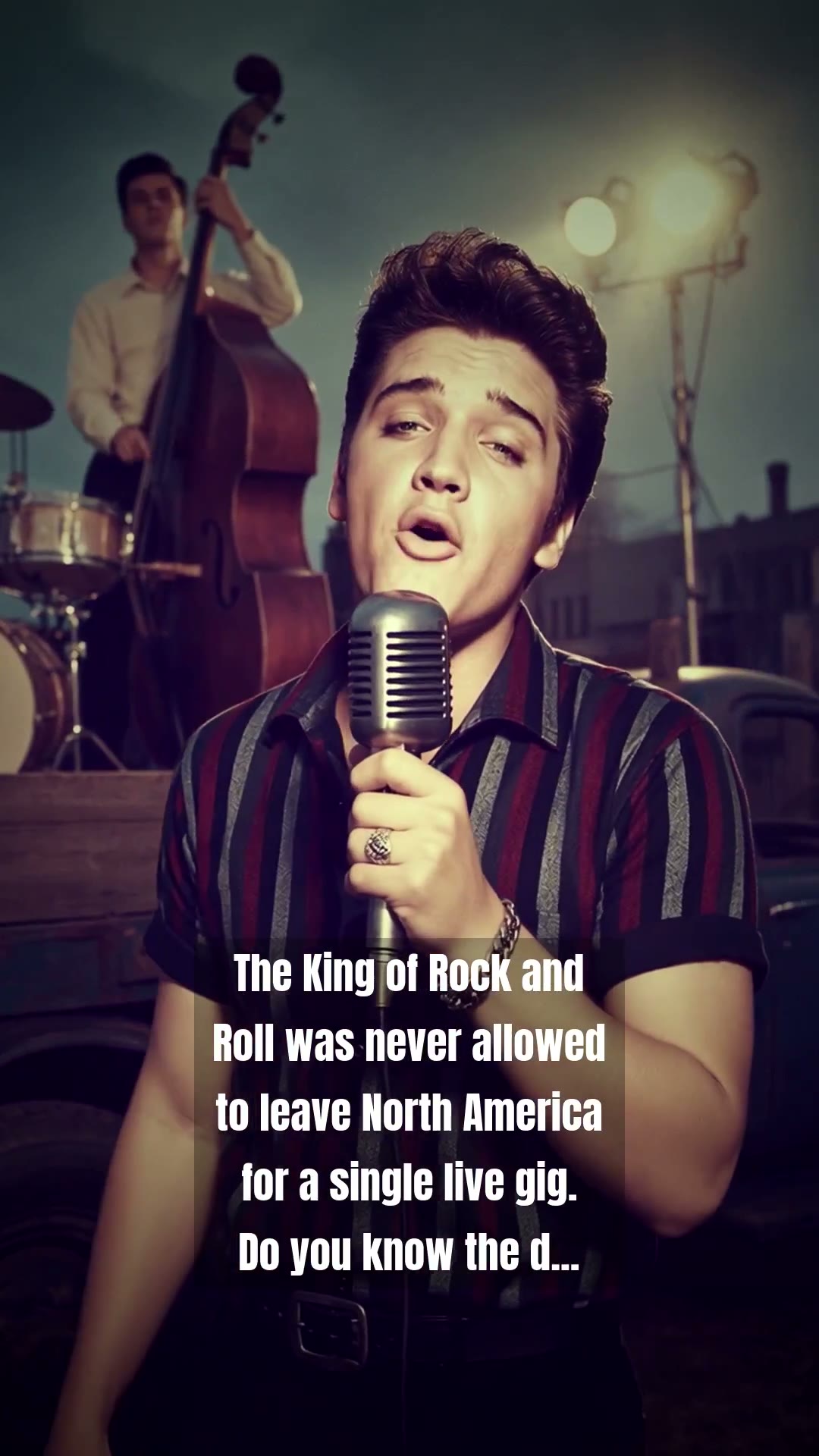
Picture the scene: it is 1970, and the British Isles are in the grip of rock and roll fever. Across the country, teenagers are huddled around their transistor radios, and the flicker of the black-and-white telly brings news of the latest American imports. For many, there was one burning question that dominated every conversation at the local record shop: when would the King finally grace our shores? It felt like an inevitable event, a cosmic certainty that the man who revolutionised music would eventually step onto a British stage. Yet, despite the feverish demand and the offer of an absolute fortune, Elvis Presley never performed a single live gig on British soil. It is a haunting thought that still leaves many of us feeling a bit cheated by history.
For years, rumours swirled through the press like wildfire. Was he too ill? Was the travel too gruelling? The truth, however, was far more cynical and far more heartbreaking. Behind the scenes, Elvis Presley was tethered to a manager who viewed him not as an artist, but as a golden goose. Colonel Tom Parker, the man calling the shots, held a secret that he would carry to his grave: he was an illegal immigrant living in the United States. If the Colonel had left the country to accompany Elvis on a global tour, he would have been denied re-entry to the States by immigration authorities. The King’s dream of playing for his British fans was effectively sacrificed on the altar of his manager’s personal security.
It is a bitter pill to swallow when you realise how much this cost British music culture. Imagine the atmosphere if Elvis Presley had played the Hammersmith Odeon or graced the stage at Wembley. The energy of the era was electric, with the spirit of the 1950s and 60s still pulsing through the veins of every mod and rocker. We had the BBC, the NME, and a youth culture hungry for the raw, authentic sound that the King provided. Instead, we were relegated to listening to his records on a crackling radiogram, dreaming of a show that would never manifest. It remains one of the most glaring missed opportunities in the history of live performance.
This story speaks to the darker side of fame, a narrative that feels all too familiar in the landscape of rock and roll history. While we often focus on the glamour and the hits, the reality of the industry was frequently dictated by those operating in the shadows. Elvis Presley was, in many ways, a prisoner of his own success, unable to break the chains forged by a man who prioritised his own status above the wishes of the greatest performer of the century. It is a sombre reminder that even icons are subject to the caprices of those who control their destiny.
Even today, looking back through the lens of nostalgia, the absence of an Elvis tour in Britain leaves a strange, hollow space in our collective memory. We are left with the music, the films, and the grainy footage, but the magic of a live encounter is a ghost that will never be laid to rest. Perhaps it is this very mystery that keeps the legend alive, a tantalising ‘what if’ that continues to fascinate new generations. As we spin our favourite vinyls, we can only imagine the roar of a British crowd finally meeting the King, a moment that was stolen by a secret kept behind closed doors.