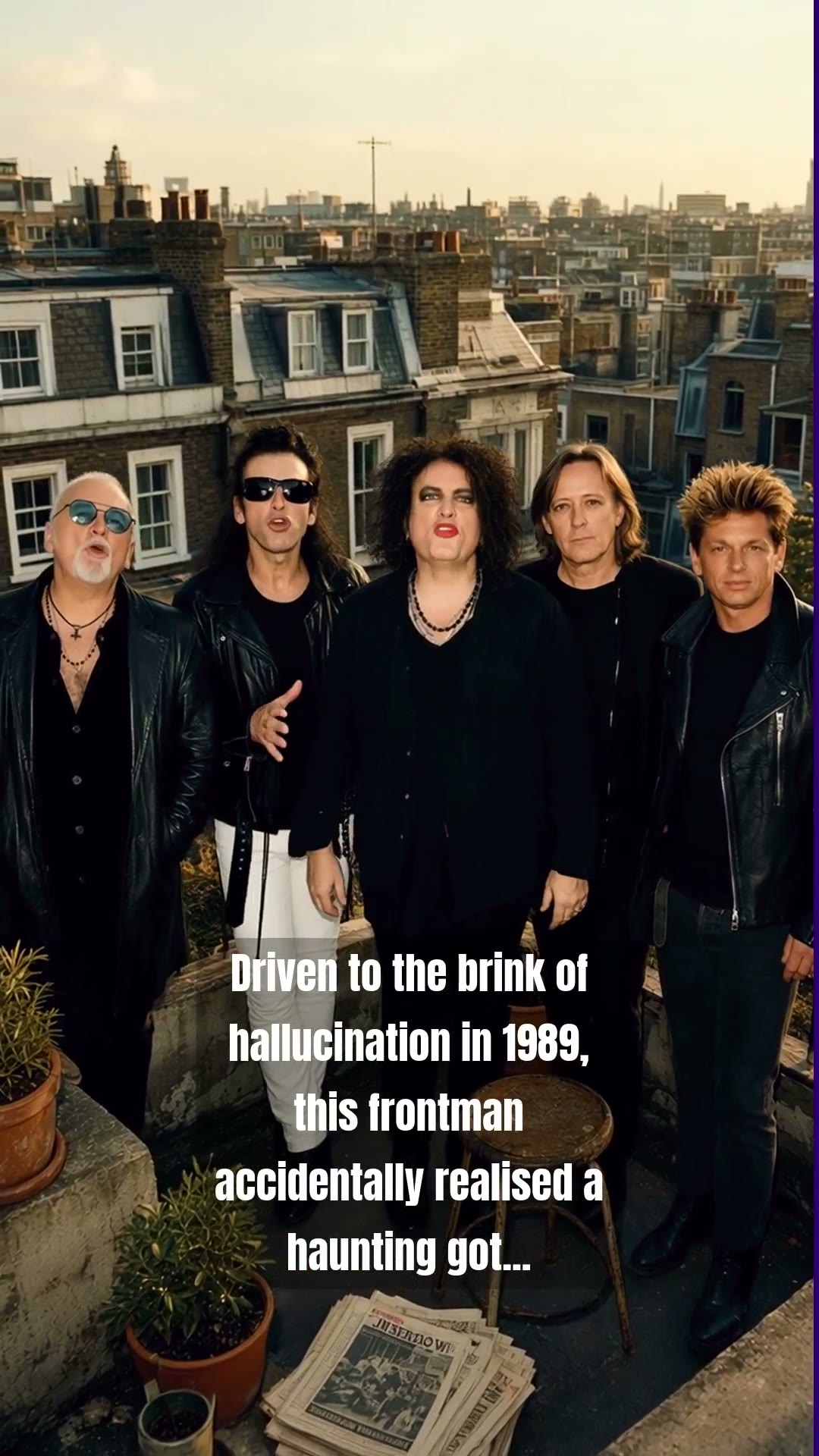
It is difficult to believe that it has been over thirty years since Robert Smith and The Cure retreated to a secluded country house in the south of England to record what would become their most defining work. By 1989, the band were exhausted. The unrelenting pace of the music industry had left them feeling like shadows of their former selves, drifting through the grey British drizzle and the neon-lit haze of constant touring. Smith, facing his thirtieth birthday with a sense of impending doom, felt an overwhelming pressure to create something monumental, something that would outlast the fleeting trends of the decade. The resulting album, Disintegration, was not just a collection of songs; it was a gothic masterpiece forged in the fires of isolation and near-madness.
Locked away from the prying eyes of the London press, the atmosphere in the studio was thick with tension and the smell of stale cigarette smoke. Smith, struggling with his mental health and a deep-seated sense of melancholy, often pushed himself to the absolute brink of hallucination. He would spend hours in the dark, tweaking the shimmering guitar lines and the cavernous drum sounds until they echoed the very essence of his inner turmoil. It was an accidental alchemy. He did not set out to write an anthem for every disaffected soul in the country, yet he managed to capture the specific colour of late-eighties angst with haunting precision. It was as if the ghosts of his past were finally speaking through the speakers, demanding to be heard by a generation that felt just as adrift as he did.
Many fans who grew up watching Top of the Pops will remember the transformation of The Cure during this era. The colourful, pop-oriented image of the early eighties had been swapped for something much darker, more introspective, and undeniably British. When the record finally hit the shelves, it didn’t just climb the charts; it seeped into the national consciousness. Tracks like Lullaby and Pictures of You became the soundtrack to rainy afternoons and lonely bus rides. For those of us who spent our pocket money at the local record shop, these songs felt like a secret confession. We realised then that we weren’t alone in our quiet, complicated sadness. The Cure had given us a vocabulary for our own longing.
What makes Disintegration so enduring is its absolute refusal to compromise. Smith’s vision was uncompromisingly grand and unapologetically moody, a stark contrast to the saccharine pop that often cluttered the BBC Radio 1 playlists. The production remains timeless, a sprawling landscape of swirling synths and weeping melodies that still sound as fresh today as they did when we first heard them on our worn-out cassettes. It is a piece of art that rewards the listener, revealing new depths each time you return to it.
Even now, listening to those opening chords still gives me a chill. It serves as a reminder of a time when music felt like a lifeline rather than a commodity. Whether you were a fan of the post-punk movement or simply someone looking for a bit of beauty in the gloom, The Cure offered a sanctuary. Do you remember where you were when you first heard the sweeping, melancholic beauty of this record? It is worth pulling it off the shelf this evening, pouring a cup of tea, and letting the echoes of 1989 wash over you once more.