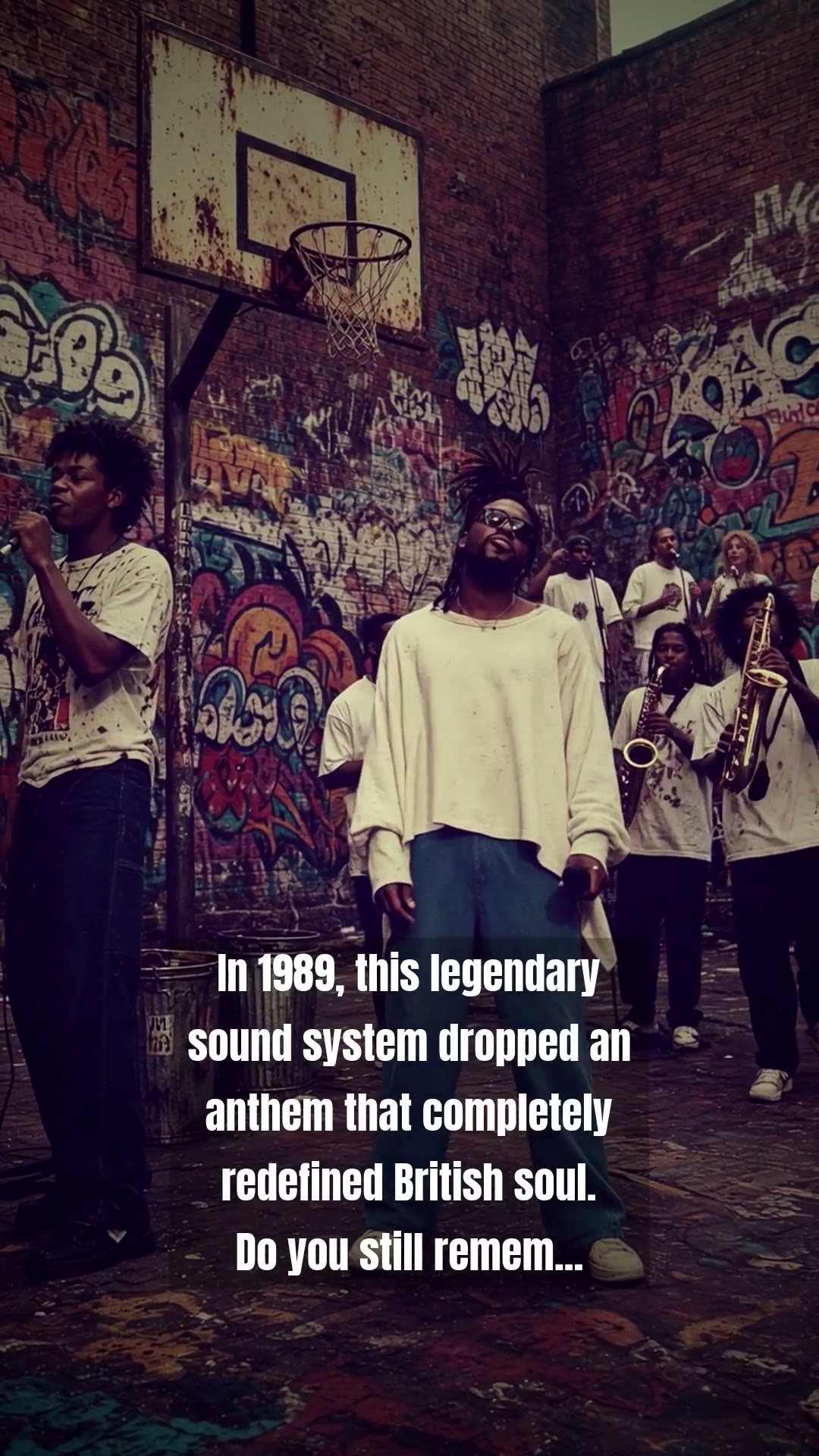
It was the summer of 1989, and the humid, pulsating atmosphere of the London club scene was about to be irrevocably altered. If you were spending your weekends queuing outside the dance halls or huddled around the telly waiting for Top of the Pops, you likely remember the first time the bassline of Back to Life (However Do You Want Me) hit your ears. It wasn’t just another track on the radio; it was a seismic shift, a moment where the heavy, thumping African-Caribbean sound system culture finally burst out of the underground and into the mainstream, changing the colour of British music forever.
Led by the visionary Jazzie B, Soul II Soul was never meant to be a traditional band. They were a collective, a movement, a group of friends who brought the ethos of the North London sound system scene to the masses. Before they took over the charts, they were busy building a reputation in local clubs, where the fashion was just as loud as the speaker stacks. I remember my favourite cousin heading out on a Saturday night, her hair meticulously styled and her attire reflecting that quintessential late-eighties fusion of street style and high fashion. It was a time when your look told a story before the needle even dropped on the record.
What made Soul II Soul so special was their ability to realise a sound that felt entirely new yet deeply rooted in the soul of the city. They didn’t just borrow from the past; they layered it with a rhythmic sophistication that felt like the heartbeat of London itself. When Caron Wheeler took the microphone, the track transformed into something transcendental. It was slick, it was cool, and it felt like a love letter to a generation finding its voice in a rapidly changing Britain. For those of us living through it, their rise felt like a triumph of community and creativity over the polished, synthetic pop that dominated the charts at the time.
Looking back, the impact of Soul II Soul goes beyond the gold records and the awards. They proved that you didn’t need to fit into a pre-packaged box to succeed. They brought the Hacienda-era grit and the sophistication of soul together in a way that had never been done before. It was a masterclass in style, substance, and soul, and it resonated with everyone, from the ravers in the basements to the suburban teenagers glued to their radios. They made it acceptable to be different, to be bold, and to embrace the fusion of cultures that made our cities so vibrant.
Decades later, the legacy of Soul II Soul remains untouched. Whenever I hear that opening beat today, I’m transported straight back to those neon-lit nights and the unmistakable energy of the late eighties. It reminds me that music isn’t just about the notes; it’s about the era it captures and the people it brings together. Do you still remember how it felt when the world finally caught up to their groove?