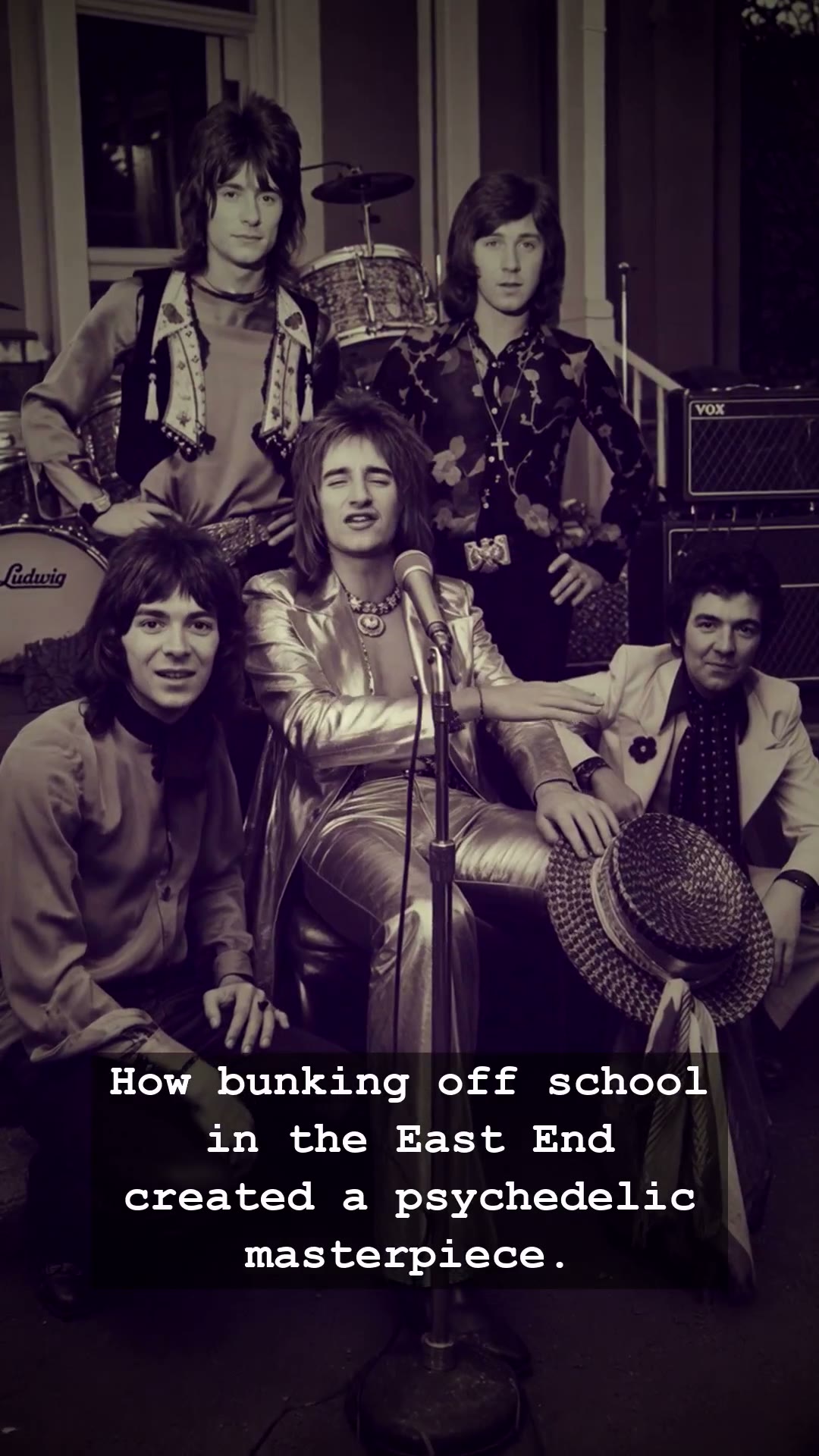
Picture the scene across London in the swinging sixties, where a bunch of cheeky lads from the East End decided that formal education was rather dull compared to the glittering allure of rhythm and blues. Before they became psychedelic royalty, the Small Faces were just school-dodging teenagers hanging about in local parks, skiving off lessons to chase a different kind of street credibility. They were diminutive in stature, yet their presence would soon loom large over the entire British music scene, changing the colour of pop forever.
Formed in 1965, the original lineup featured Steve Marriott, Ronnie Lane, Kenney Jones, and Jimmy Winston, though keyboard wizard Ian McLagan soon stepped in to complete the classic quartet. Their early gigs at sticky-floored clubs were legendary affairs of pure mod energy, wrapped in sharp tailor-made suits and fuelled by sheer youthful arrogance. Yet, unlike many of their contemporaries who were content churning out standard three-minute pop ditties, these boys harboured a restless artistic curiosity that yearned to push every available studio boundary.
By nineteen-sixty-seven, the band had outgrown their initial mod formula and stumbled into something altogether more kaleidoscopic. This creative leap culminated in their masterpiece concept album, Ogdens’ Nut Gone Flake, packaged brilliantly inside a circular metal tobacco tin replica. It was a bizarre, brilliant slice of psychedelic whimsy, narrated by the wonderful comedian Stanley Unwin and dripping with surreal lyrical charm that captured the eccentric spirit of the era perfectly.
Behind the whimsical facade and catchy melodies, however, lay groundbreaking audio trickery that baffled contemporary producers. The band and their studio engineers manipulated master tapes, used phase-shifting effects, and layered backwards vocals to create an enveloping, dreamlike atmosphere that made listeners feel as though they were experiencing a waking dream. Marriott’s powerhouse soulful vocals, contrasting sharply with his tiny frame, soared effortlessly over these sonic landscapes, delivering performances that remains unmatched in British rock history.
Tragically, like many brilliant meteors of that frantic decade, the Small Faces burned brightly before imploding under the weight of dodgy management contracts and relentless touring exhaustion. Marriott left to form Humble Pie, seeking a heavier blues-rock sound, while the remaining members eventually morphed into Faces alongside Rod Stewart and Ronnie Wood. Yet, the legacy of those East End tearaways endures, reminding us of a time when pop music felt genuinely dangerous, innovative, and utterly alive.
Today, whenever that swirling, phased introduction of their classic hits echoes across the wireless, we are instantly transported back to a golden age of British counterculture. It is a bittersweet reminder of teenage rebellion, artistic fearlessness, and the magic created when four working-class lads decided to rewrite the rules of modern music. Have a listen to their timeless records today and realise just how much colour they added to our cultural tapestry.