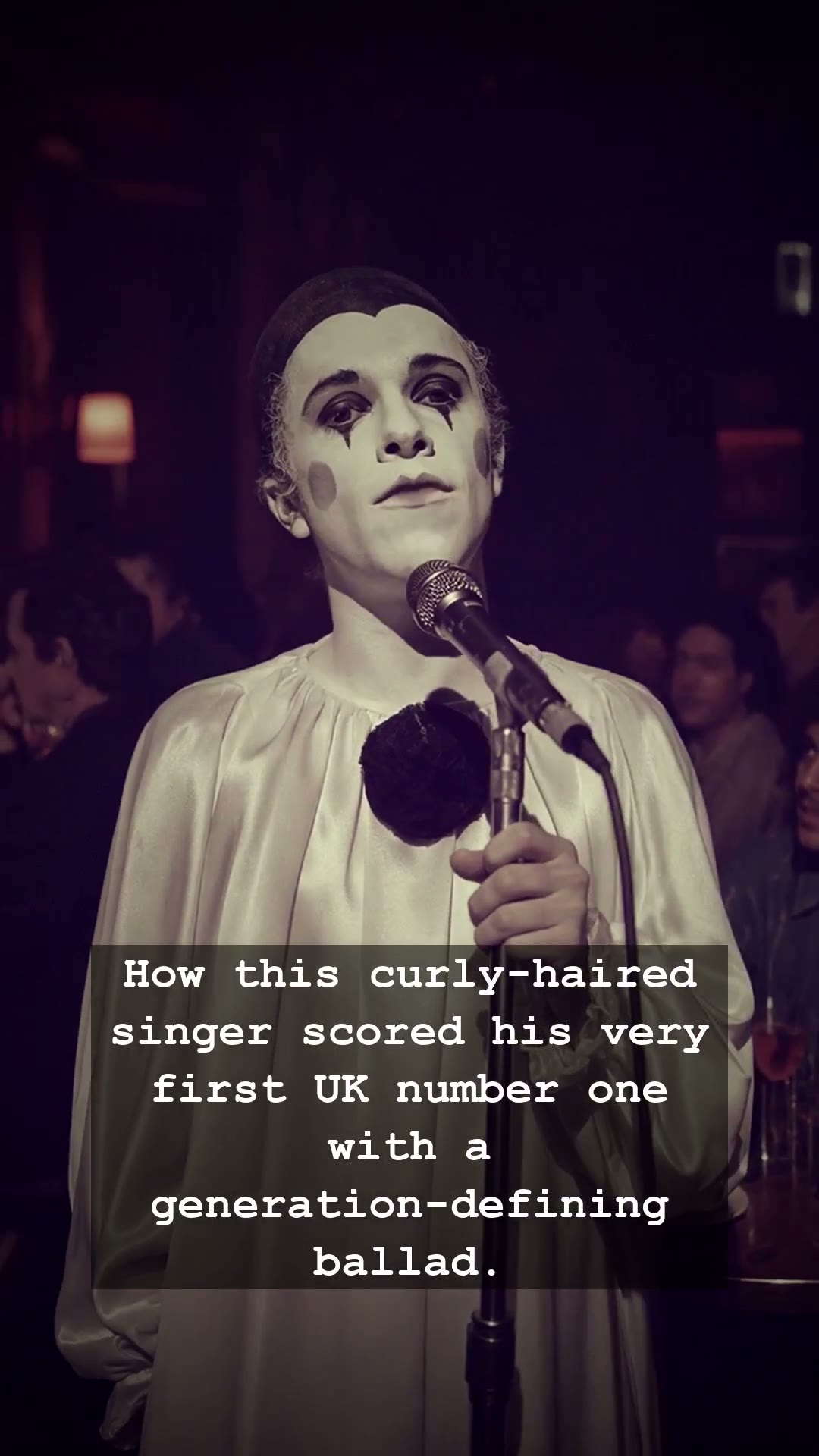
Picture the scene: it is 1977, the nation is gathered around the telly for Top of the Pops, and a mop of tight, curly hair bounces into living rooms across Britain. Leo Sayer, with his theatrical costumes, heartbreak in his voice, and a persona straight out of a silent film, was about to claim his very first UK number one. It was a cultural moment that defined an era, cementing a rather eccentric troubadour firmly into the nation’s musical heart.
Before he was topping the charts and selling out massive gigs, Gerard Kenny Sayer was a struggling graphic designer from West Sussex who happened to possess a voice dripping with raw, unfiltered emotion. He originally found success writing songs for Roger Daltrey of The Who, but it soon became glaringly obvious that Leo had a rare theatrical flair that demanded centre stage. When he finally stepped into the limelight himself, complete with pierrot-style makeup and oversized waistcoats, he brought a totally unique colour to the British pop landscape.
Yet, the road to his defining chart-topper was paved with bruised egos and relentless hard graft. By 1977, the musical tides in Britain were shifting dramatically. Punk rock was violently crashing through the status quo, spitting defiance and thrashing guitars in London underground clubs. Amidst this gritty chaos, Leo chose to swim against the fierce current. Instead of adopting a safety pin and a snarl, he released a sweeping, deeply emotional ballad that laid his entire heart bare for the world to scrutinise.
That song was When I Need You, a track that completely resonated with a public weary of economic gloom and industrial strikes. Penned by Albert Hammond and Carole Bayer Sager, Leo took the song and infused it with his trademark vulnerability, turning a brilliant pop composition into an absolute masterpiece of yearning. When it finally climbed to the number one spot on the UK Singles Chart, it stayed there for three weeks, proving that genuine emotional resonance could cut right through any musical revolution.
Looking back, Leo Sayer represents a golden era of British pop where individuality was celebrated and artists possessed a distinct, unforgettable character. Long before reality television manufactured instant fame, performers like Leo grafted for years in smoky pubs before making it onto the BBC. His timeless hits still echo around local boozers and retro playlists today, reminding us of a simpler time when a bloke with wild hair and a microphone could captivate an entire nation.
So, the next time you happen to hear that familiar, soaring chorus drift out of your kitchen radio, take a moment to properly appreciate the sheer magic of it. Leo Sayer did not merely sing a song; he bottled up a universal feeling of love and loneliness, pouring it straight into the British consciousness. It is high time we realise just how monumental his contribution to our musical heritage truly was.