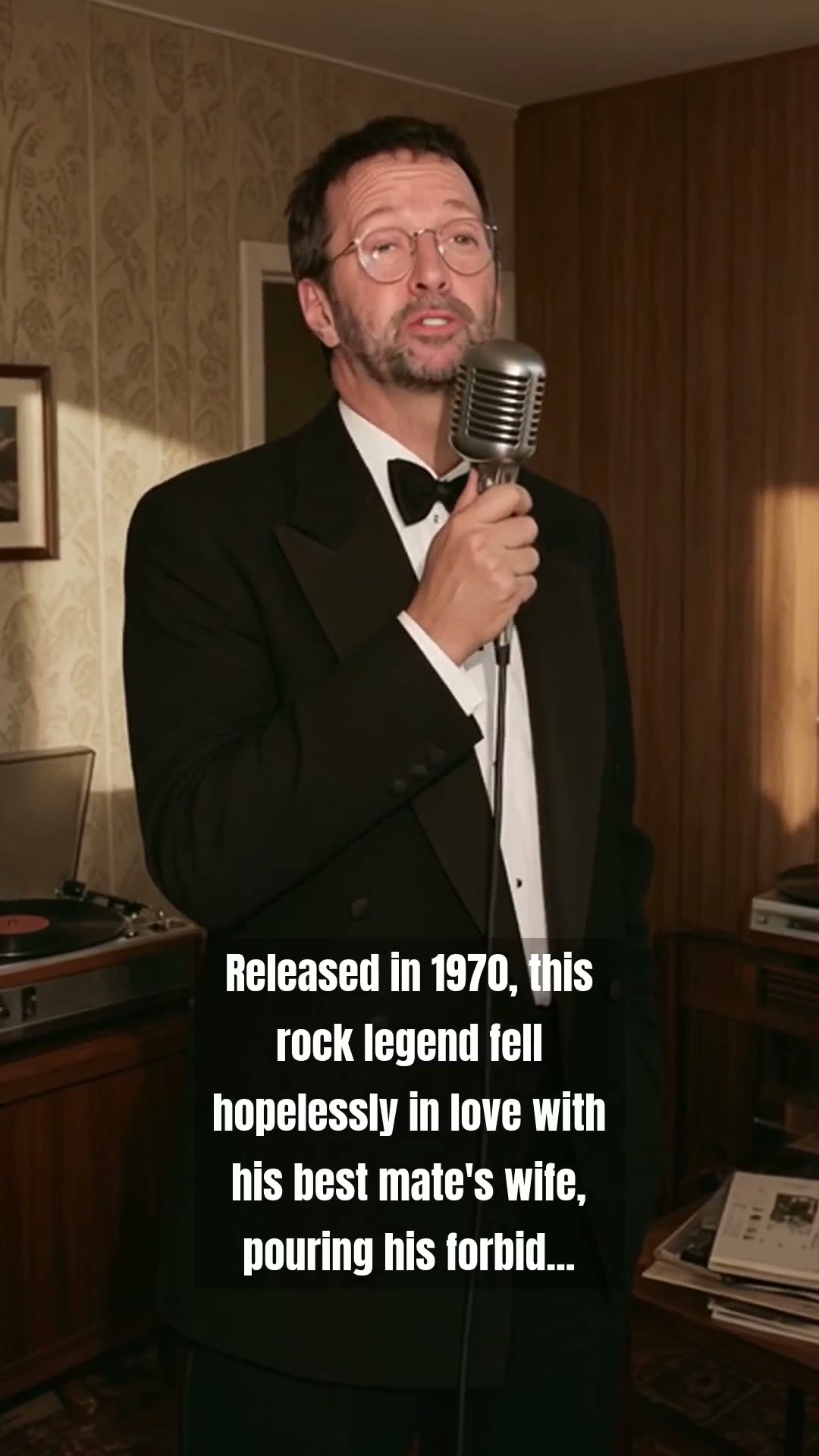
It was the autumn of 1970, a time when the British music scene was undergoing a seismic shift, yet one man was trapped in a private, agonising stalemate. Eric Clapton, the guitar hero whose name was scrawled in marker on the walls of every London tube station, found himself hopelessly in love with Pattie Boyd. There was just one small, devastating detail: Pattie was already married to his best mate, George Harrison. It is the sort of messy, heart-wrenching drama that feels tailor-made for a tabloid column, yet from this very real conflict, one of the most haunting love songs in history was born.
Clapton’s obsession with Pattie Boyd was no fleeting infatuation. It was a consuming fire that blurred the lines between artistic genius and personal torment. While the nation was tuned into Top of the Pops or catching the latest gossip in the NME, Clapton was suffering in silence, channelling his forbidden feelings into the composition of Layla. Named after the ancient Persian tale of star-crossed lovers, the song wasn’t just a track; it was a desperate, unvarnished plea for a woman who felt entirely out of reach. When you listen to the soaring guitar riffs today, you realise it is not just music—it is the sound of a man baring his soul.
The irony of their social circle was thick enough to cut with a knife. George Harrison, a quiet and spiritual man, had no idea that his closest companion was harbouring such intense, dark feelings for his wife. Eric Clapton would sit in the same rooms as them, nursing his drinks and hiding his turmoil behind a mask of cool detachment. It was an uncomfortable reality, a secret that sat like a stone in his gut. The tension in the air during those late-night sessions at the studio was palpable, though few realised just how deep the wedge between these icons had truly been driven.
When Layla finally hit the airwaves, it became an instant, timeless ballad that defined the era. It captured the raw, messy colour of a love that shouldn’t have been. Pattie Boyd eventually did leave George for Eric, a move that shocked the British public and forever changed the dynamic of their legendary circle. Looking back through the lens of history, the song remains a testament to the fact that our favourite tracks often carry the heaviest emotional baggage. It is this authentic, often painful humanness that keeps us coming back to the vinyl records of the seventies.
Decades on, the story of Eric Clapton and Pattie Boyd still resonates with anyone who has ever loved the wrong person at the wrong time. It reminds us that beneath the glamour of being a guitar god, there was always a vulnerable human heart. As you spin the record tonight, listen closely to those piano-driven coda notes. They carry the weight of a thousand unspoken apologies. Does the song still give you chills, or does it simply remind you of a time when music felt like the only language that could tell the whole truth?