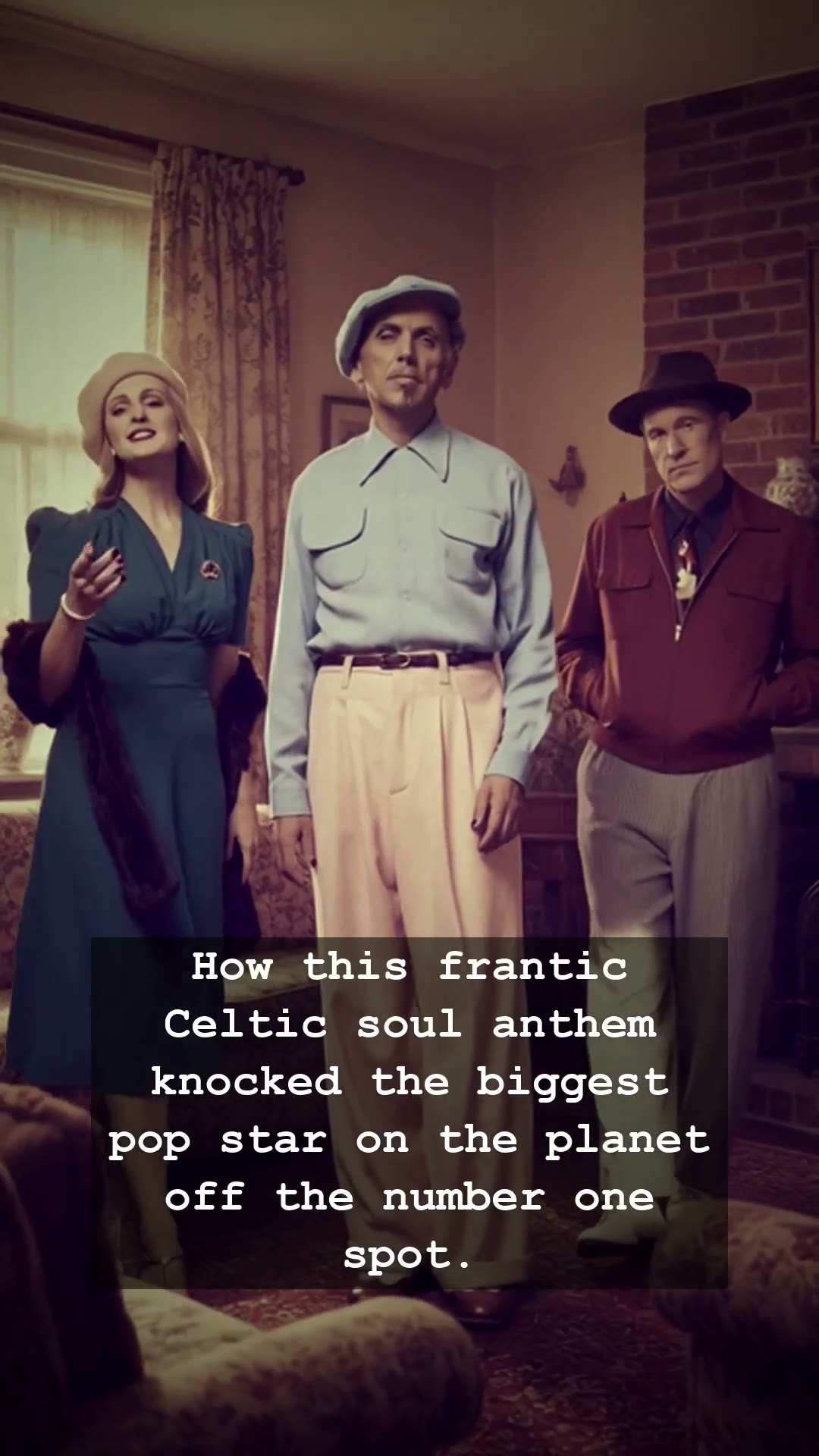
Picture the scene in the summer of 1982. Families across Britain are gathered around the telly, children are playing out in the street until the streetlamps flicker on, and a frantic, fiddle-driven Celtic soul anthem is suddenly echoing from every pub jukebox and transistor radio in the country. It was an absolute phenomenon. Dexys Midnight Runners, a ragged collective of working-class romantics led by the notoriously intense Kevin Rowland, did the unthinkable. They charged up the UK Singles Chart and ruthlessly knocked the biggest pop star on the entire planet off the number one spot.
That track, of course, was Come On Eileen. To truly understand its dizzying impact, you have to transport yourself back to a Britain grappling with economic shifts, where music was still an urgent escape. Released during a time when glossy synth-pop was beginning to dominate the charts, Dexys offered something entirely different, raw and fiercely authentic. They wore dungarees over bare chests, sported boxing boots, and injected a heady cocktail of traditional Irish folk instrumentation and driving Northern Soul urgency into the mainstream consciousness. It was a visual and sonic assault on the senses that captured the nation’s imagination.
Kevin Rowland was a notorious perfectionist, a man whose fierce vision often meant band members came and went like characters in a revolving door. The creation of Come On Eileen was no smooth ride in the recording studio either. It was forged through sheer grit, demanding hours, and relentless fine-tuning until every fiddle scrape and soaring vocal hook resonated with heartbreaking emotional weight. When the single finally broke through, it did not just climb the charts; it dominated them, eventually earning the crown as the biggest-selling single of that entire year in the UK. For a brief, glorious moment, the underdog alternative soul outfit ruled supreme.
Yet the magic of Dexys Midnight Runners and their defining masterpiece lies deeper than mere chart statistics. Decades later, the song remains an absolute staple at British weddings, university fresher nights, and nostalgic retro gigs, universally capable of filling a dancefloor within the very first seconds of that galloping fiddle intro. It evokes a deeply specific kind of sepia-toned British nostalgia—one filled with spilled bitter, youthful rebellion, and the bittersweet pang of growing up in a rapidly changing world.
Looking back, the triumph of Come On Eileen feels almost miraculous in today’s hyper-manufactured pop landscape. It proves that raw passion, unbridled theatricality, and a fearless disregard for musical boundaries can still capture lightning in a bottle. Long after the dungarees have been packed away and the charts have moved on, Kevin Rowland and his collective of musical outcasts remind us why we fell in love with British pop history in the first place. Put the record on, turn the volume right up, and let the timeless brilliance of Dexys take you right back.