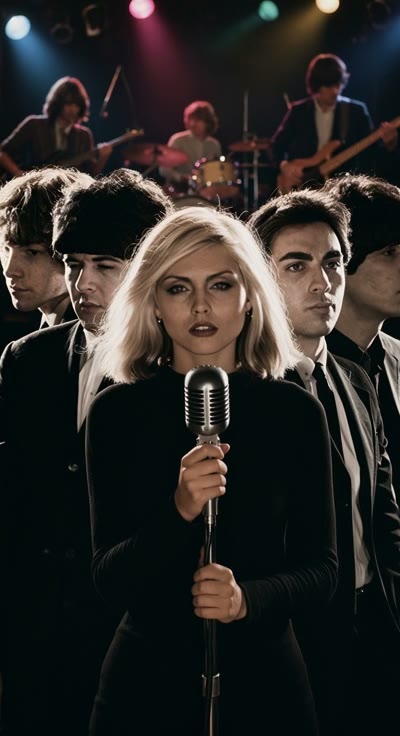
It was the late seventies, a time when the British music press held the gatekeeping power of a king. If you were a punk band, you were expected to live and die by the jagged edge of a three-chord guitar riff. To do anything else was seen as a betrayal, a complete sell-out. Yet, tucked away in the backrooms of the New York scene, Debbie Harry and her band, Blondie, were brewing something that would eventually tear the rulebook to shreds. When they dared to trade their grit for the slick, metronomic pulse of a drum machine, the purists were absolutely livid. They accused Blondie of murdering the punk spirit, but history had a different, much more glamorous ending in store for them.
The song in question was Heart of Glass. It was not a polished, big-budget masterpiece from the start; it was a rejected reggae demo that had been gathering dust for years. The band had laboured over it, trying to find the right colour and shade to make it pop. By the time they decided to weave in those hypnotic, swirling synthesisers, they were chasing a sound that felt like the future. It was risky, it was bold, and it was entirely out of step with the snarling, spiky-haired crowds that dominated the gig circuit. But the moment that track hit the airwaves, the tide turned in their favour.
I remember vividly sitting in front of the telly, watching them perform on Top of the Pops. There was Debbie, the undeniable star, radiating a cool, detached elegance that felt worlds away from the muddy, chaotic clubs of London. The track was infectious; it bridged the gap between the downtown grit of the CBGB scene and the glistening dance floors of the disco era. When it finally climbed to the top of the UK charts, it sent a shockwave through the industry. The establishment simply could not believe that a band of former punk outcasts had managed to dominate the British airwaves with a drum machine at the heart of their sound.
It was a defining moment of the era, proving that musical boundaries were far more fluid than the critics liked to realise. Blondie had successfully navigated the shift from the raw aggression of 1977 into the neon-lit sophistication of the eighties. They showed that you could keep your edge while embracing the synthesiser, creating a legacy that remains untouchable. It was not just a hit; it was a cultural pivot point that allowed countless others to experiment with genre without fear of being branded a traitor to the scene.
Looking back, the success of Blondie serves as a reminder that the best music often comes from the moments when we stop listening to the critics and start following our own strange instincts. Whether you were there at the time or you discovered their music long after, there is an unmistakable magic in those opening bars of Heart of Glass. It captures a specific, glittering slice of history—a time when the rules of the game changed forever, all thanks to a band that refused to stay in the box they were put in. Does any other song from that period transport you back to your favourite Saturday night quite like this one?