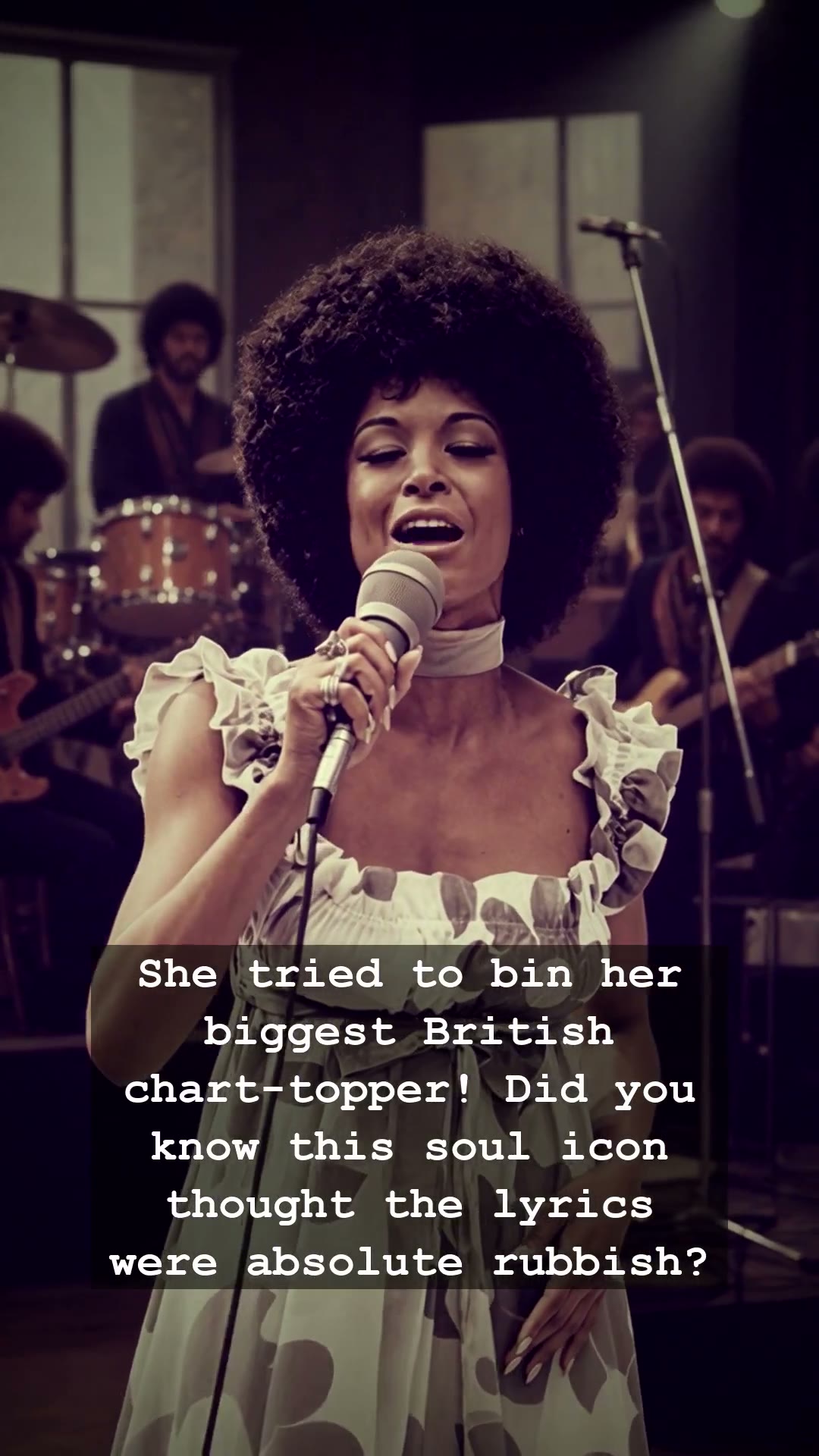
It was 1970, and the British airwaves were undergoing a peculiar shift. As we moved away from the psychedelic haze of the late sixties, the soulful, polished sounds of Motown and its contemporaries began to command our radios. Among these, one track stood out, climbing the charts with an infectious, brassy swagger that defined the year. That song was Band of Gold, a masterpiece of emotive storytelling that ruled the UK Singles Chart for six solid weeks. Yet, if Freda Payne had followed her initial instincts, this iconic piece of Northern Soul history would have been consigned to the rubbish bin before it even reached the recording booth.
For those of us who grew up huddled around the telly watching Top of the Pops, the image of Freda Payne delivering that yearning, heartbroken vocal is etched into our collective memory. It was the quintessential anthem of heartbreak, capturing the fragility of love with such precision that it resonated in every dance hall and living room from London to Manchester. However, the backstory is far less glamorous. When Freda Payne was first presented with the demo, she was famously unimpressed. In fact, she thought the lyrics were absolute rubbish, dismissing them as far too juvenile for an artist of her calibre and sophistication. She had envisioned a career defined by jazz standards and high-brow arrangements, not what she perceived as a fleeting, simplistic pop ditty.
Thankfully, the persuasive powers of the production team prevailed, and she eventually relented. It is difficult to fathom a world where that opening drum beat and the soaring, desperate plea of the chorus didn’t soundtrack our formative years. Freda Payne eventually realised the potential within the track, though her reluctance adds a delicious layer of irony to its enduring success. It is a classic tale of artistic pride clashing with the fickle, magic nature of the charts, showing us that sometimes the very thing an artist despises is the piece of work that secures their immortality.
Band of Gold became more than just a hit; it became a cultural touchstone. It bridged the gap between the sophisticated soul movement and the raw, danceable energy that would soon fuel the Northern Soul scene. Throughout the seventies, you could walk into any club and hear the distinct brass arrangement kick in, instantly packing the dance floor with mods and soul devotees alike. Freda Payne had inadvertently created a blueprint for the emotional power of a chart-topper, proving that even a song one considers rubbish can carry the weight of a generation’s collective longing.
Looking back, we owe a debt to the circumstances that kept that tape out of the dustbin. It serves as a reminder that the best music often comes from the most unlikely unions. Whether you were hearing it on BBC Radio 1 or catching a live gig, Freda Payne commanded a presence that was impossible to ignore. Even today, hearing those familiar notes brings a rush of nostalgia, reminding us of a time when pop music felt both grand and deeply personal. It is a testament to Freda Payne that she eventually embraced the song, allowing us all to share in a piece of musical history that refuses to fade away.