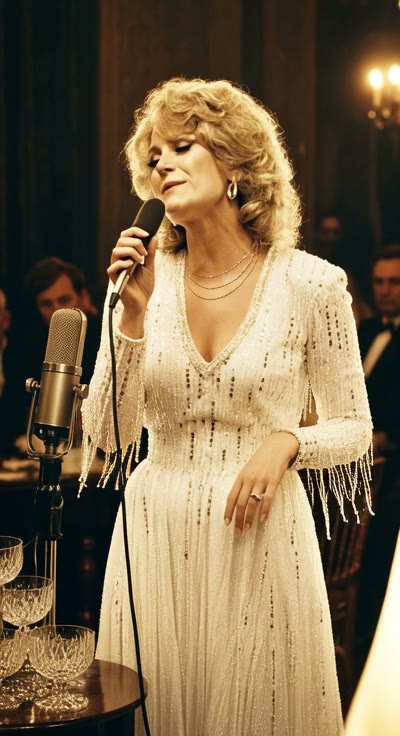
Picture the scene: it is 1968, the heart of the swinging sixties, and Dusty Springfield is perched in a recording studio in Memphis. The air is thick with the scent of southern soul, a far cry from the foggy streets of London she called home. She was there to record an album that would become a landmark in British musical history, Dusty in Memphis. Yet, remarkably, the song that would eventually define her career almost never happened. Dusty Springfield was notoriously particular, a perfectionist who obsessed over every note and colour of her vocal delivery. When presented with Son of a Preacher Man, she wasn’t entirely convinced it was the right fit for her.
It is difficult to imagine a world where Dusty Springfield didn’t lend her husky, soulful voice to that iconic opening riff. At the time, she was a household name, a television regular who had charmed the nation with her beehive hair and dramatic eyeliner. She was already a star of the BBC, a fixture on Top of the Pops, yet she was searching for a new sound, a more authentic bluesy edge that moved away from her earlier pop hits. She felt a deep connection to American soul, but she was a perfectionist who constantly doubted whether she could truly inhabit the songs she chose. Her hesitation over Son of a Preacher Man was not born of ego, but of a genuine, almost painful, artistic insecurity.
Thankfully, she realised the song’s potential just in time. When she finally stepped up to the microphone, she didn’t just sing the words; she lived them. There is a raw, aching quality to her performance that cuts through the noise of any era. It remains a masterclass in emotional restraint and power. The track became an instant classic, bridging the gap between the sophisticated British pop scene and the grittier, earthier soul music coming out of the States. It was the moment Dusty transformed from a pop idol into a true legend, cementing her status as the finest female soul singer these islands have ever produced.
Even today, the song feels timeless, playing in our favourite pubs or drifting from the radio during a rainy Sunday afternoon. It takes us back to a time when music felt like a revolution, when a voice from a lass from West Hampstead could capture the longing of a generation. It is a reminder that even the most brilliant artists have their moments of doubt, and that sometimes, our greatest triumphs are the ones we almost walked away from.
Dusty Springfield left us a legacy that goes far beyond the charts. She taught us that soul isn’t just about where you are from; it’s about the depth of your feeling. Whenever I hear that opening beat, I am transported back to that smoky studio, realising just how close we came to missing out on magic. Have you ever wondered which other masterpieces were almost left on the cutting room floor?