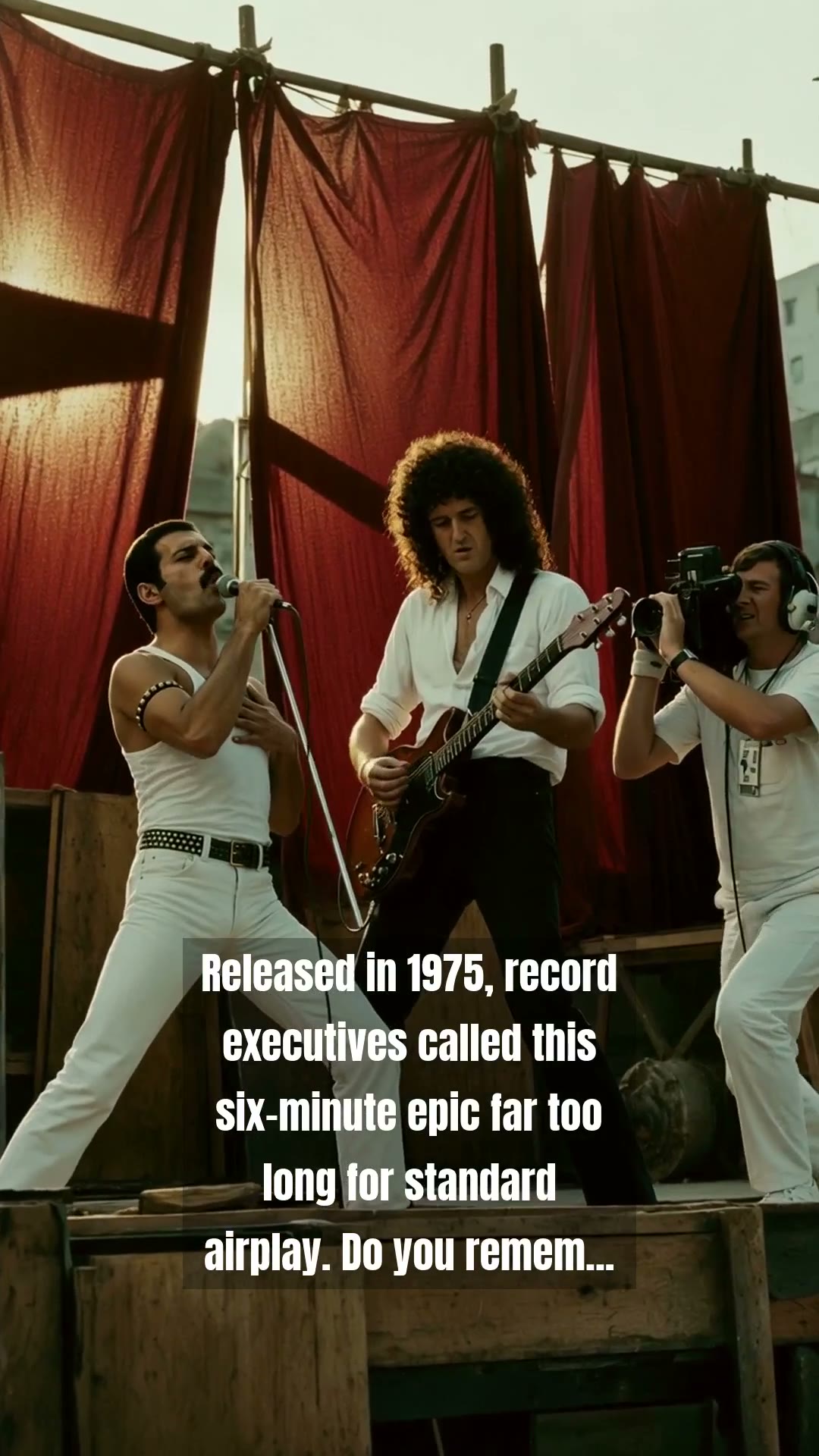
Cast your mind back to the autumn of 1975. The telly was showing The Generation Game, the nights were drawing in, and the nation’s airwaves were about to be shattered by a six-minute operatic experiment that defied every rule in the music industry handbook. When Queen first brought Bohemian Rhapsody to their record label executives, the reception was frostier than a winter morning in the Peak District. These suit-wearing bosses, obsessed with the three-minute pop formula, were adamant: it was far too long, far too bizarre, and certainly not something radio stations would ever dream of playing. They begged Freddie Mercury to trim the fat, to cut the bizarre middle section, and to make it radio-friendly. But Queen, driven by a vision that was as colourful as it was audacious, refused to compromise.
It was a tense standoff that could have easily relegated one of the greatest compositions in British rock history to the dustbin of obscurity. The track was essentially a Frankenstein’s monster of genres—a ballad, an operatic aria, and a hard rock anthem all squeezed into one. How could the Great British public possibly make sense of a song that transitioned from delicate piano melodies to wailing guitar solos and nonsensical, theatrical chanting? The record label bosses were convinced that the track would be a commercial disaster, a point of total embarrassment for the band. They failed to realise that they were looking at a masterpiece that would redefine the very essence of rock music.
The real turning point came in the most unlikely of places. The legendary DJ Kenny Everett, a man known for his flamboyant personality and utter disregard for conventional broadcasting, managed to get his hands on a copy of the track. Despite the label’s strict warnings, Everett played it on his show not once, but fourteen times over a single weekend. He told his listeners it was so good they simply wouldn’t be able to handle it. The public response was instantaneous and overwhelming; the switchboards at the BBC went into an absolute frenzy. Queen had inadvertently bypassed the gatekeepers, turning Bohemian Rhapsody into a national phenomenon that forced the music industry to rethink everything.
Looking back, it is hard to fathom why anyone would have ever doubted such a monumental piece of art. The layers of vocals, the sheer audacity of the production, and Freddie’s magnetic performance became the heartbeat of a generation. It wasn’t just a song; it was a cultural event that made teenagers across the country stop what they were doing and huddle around their radios. It proved that the British audience had an appetite for the unconventional and the grand.
Today, Bohemian Rhapsody remains a staple of our national identity. Whether it is blaring out in a pub on a Friday night or being sung at the top of our lungs at Wembley, the track feels as fresh and exciting as it did back in 1975. It stands as a testament to the fact that when artists trust their intuition over the cold, calculated opinions of corporate suits, magic happens. Do you remember the very first time those haunting harmonies hit your ears?