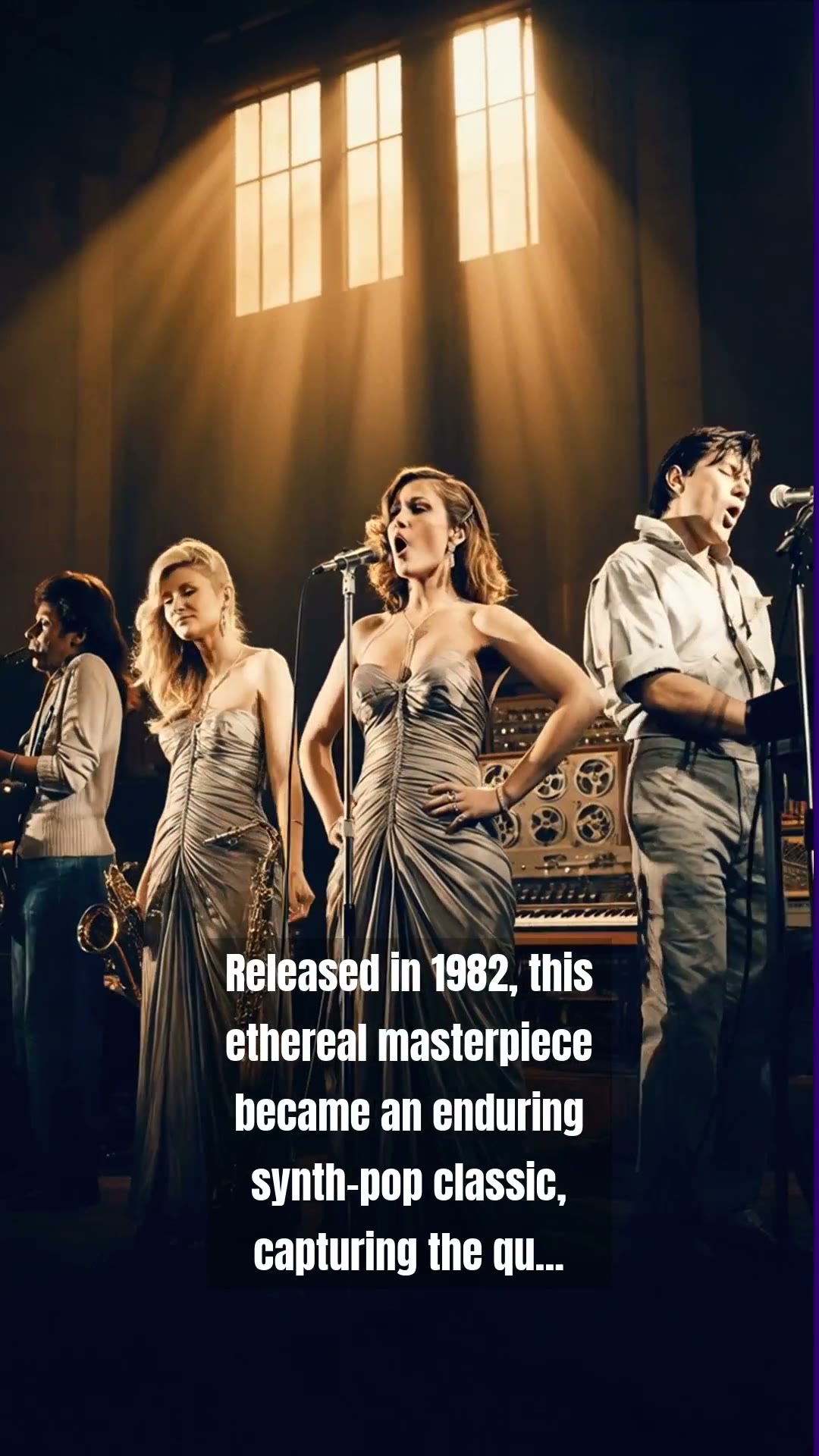
It was 1982, a time when the British charts were being colonised by the punchy, neon-soaked urgency of synth-pop. Yet, amidst the clutter of drum machines and shoulder pads, one record floated into the living rooms of the nation like a ghost in a velvet suit. Roxy Music, led by the enigmatic Bryan Ferry, released Avalon, an album that traded the abrasive, glitter-drenched art-rock of their early days for a shimmering, ethereal soundscape. It was a departure that left many critics scratching their heads, but for those of us tuning into the telly or catching a late-night broadcast, it felt like an awakening. It was not just a pop record; it was a mood, a deep shade of blue that captured the quiet weight of lost love with such precision that it still resonates today.
At the heart of this transformation was the title track, Avalon. Despite its haunting beauty and sophisticated arrangement, the song didn’t exactly set the charts alight the moment it dropped. It sat there, charting lower than perhaps the band’s previous, more frantic efforts, waiting for the public to realise exactly what they were holding. There is a delicious irony in that; a song so steeped in class and longing, an enduring synth-pop classic, took its time to seep into the national consciousness. Much like a fine wine, it required a moment of stillness to fully appreciate its depth, its colour, and the subtle textures of Phil Manzanera’s guitar work dancing against the synthesised strings.
Behind the scenes, the recording sessions were a labour of intense, almost obsessive perfectionism. Ferry was known for his uncompromising eye for detail, and he pushed the band to strip away the chaos of their past, seeking something more cinematic. You could almost smell the cigarette smoke and expensive cologne in the studio. They were crafting a sound that felt detached from the grit of Thatcher’s Britain, transporting us instead to a mythical, Arthurian landscape—a far cry from the rainy streets outside our windows. It was this contrast that made the music feel so vital and, frankly, a bit mysterious.
Looking back, it is easy to see why Avalon remains a favourite for those of us who lived through that era. It marks a moment when the aggressive experimentalism of the seventies gave way to a smoother, more melancholic aesthetic. When we hear those opening bars today, it takes us straight back to a specific feeling of yearning, a quintessential British sense of nostalgia that is hard to put into words. It reminds us of a time when music didn’t have to shout to be heard; it simply had to be beautiful.
Whether you were a die-hard fan waiting for the next NME review or just someone who stumbled upon the track during a lonely Tuesday night, Roxy Music managed to capture the intangible. They proved that even in the middle of a synth-pop revolution, the most enduring hits are the ones that speak to the heart’s quietest corners. So, do yourself a favour: pour a cuppa, sit back, and let the ethereal pull of Avalon take you somewhere else for a few minutes. It is a timeless piece of our collective history, still shimmering as brightly as ever.