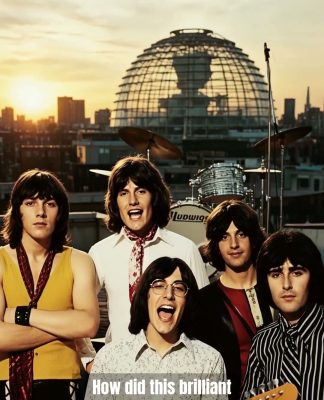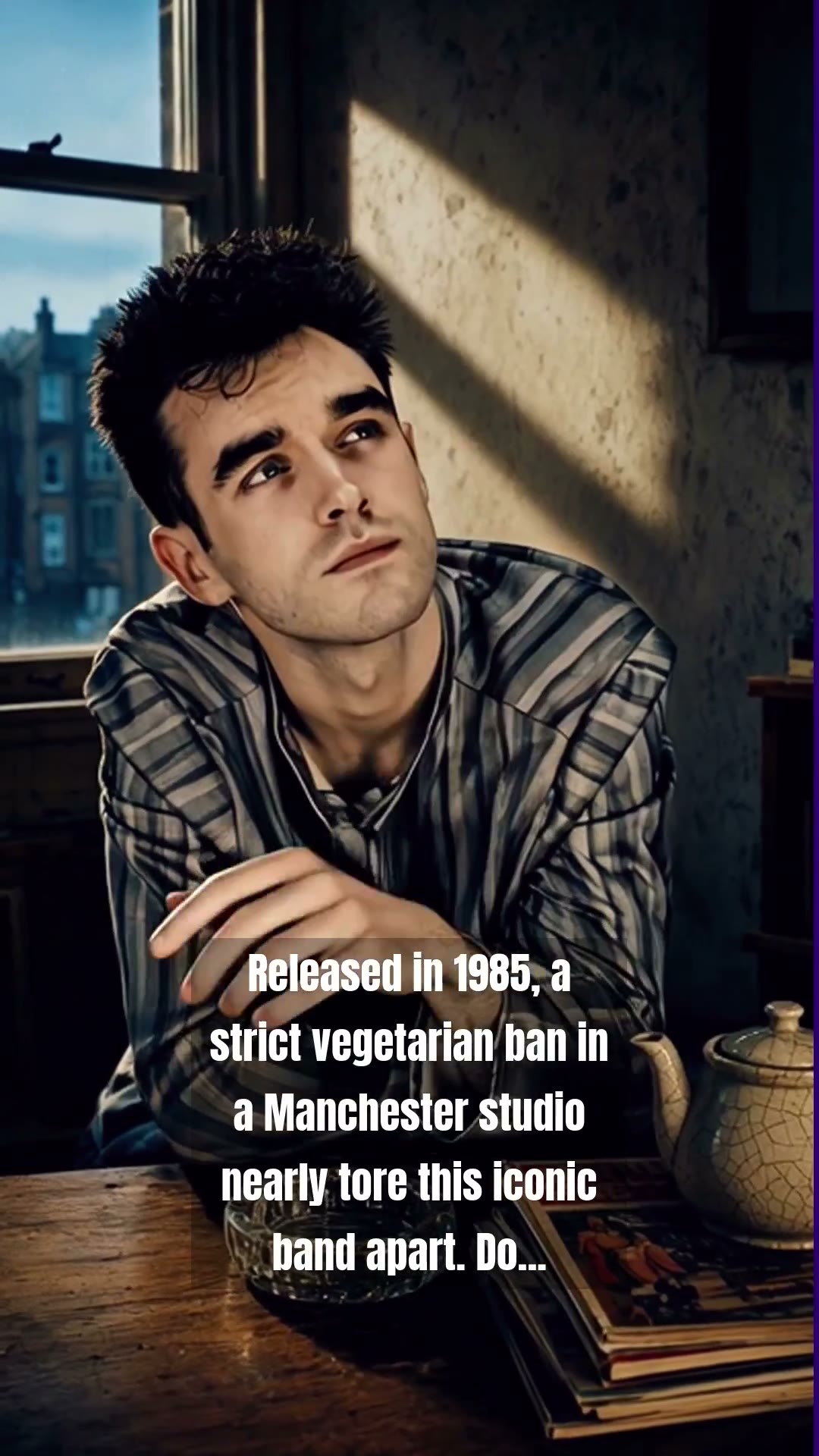
It is difficult to imagine a more quintessential piece of eighties British lore than the friction that sparked within the recording studio walls during the production of Meat Is Murder. By 1985, The Smiths had already cemented their status as the voice of the disaffected youth, their jangly guitars and Morrissey’s poetic, melancholic lyrics resonating in every bedroom across the country. Yet, behind the scenes of their second studio album, a rather bizarre and bitter domestic war was brewing over something as mundane as a bacon sandwich. While the nation was tuning in to Top of the Pops and debating the merits of the charts, the band was grappling with a strict, self-imposed moral code that threatened to derail their entire creative trajectory.
Morrissey, a man never shy about his convictions, famously laid down a firm rule: no flesh was to be consumed in the studio. For the other members of The Smiths, this was not merely a dietary request; it felt like a heavy-handed intrusion into their daily comforts. The tension was palpable. Johnny Marr, the band’s melodic architect, often found himself caught in the middle of these mounting pressures. To outsiders, The Smiths were a perfectly synchronised unit, but inside that Manchester studio, the air was thick with resentment. It is a peculiar slice of history, really—that one of the most significant albums of the decade was nearly derailed by a conflict over a cooked breakfast.
Looking back, this episode feels almost like a satire of the era, yet it was painfully real. The ban highlighted the widening divide between Morrissey’s increasingly dogmatic worldview and the more relaxed, pragmatic temperament of his bandmates. It was a classic clash of egos, the sort of drama that wouldn’t have been out of place in a gritty kitchen-sink drama on the telly. Despite the friction, or perhaps because of the heightened emotions in the room, they managed to capture a lightning-in-a-bottle sound that remains untouchable. Meat Is Murder stands as a testament to their brilliance, even if the creative process behind it was fraught with the kind of internal discord that eventually leads to the dissolution of great bands.
We often romanticise the mid-eighties as a golden age of British indie, yet we rarely acknowledge the sheer exhaustion that came with sustaining such an intense artistic partnership. The Smiths were constantly under the microscope of the NME, their every move scrutinised by a public hungry for their next melancholic masterpiece. The pressure to remain relevant while dealing with these petty, personal spats was clearly taking its toll. It is a miracle they achieved as much as they did, given how often they seemed on the verge of packing it all in.
Decades on, do you remember the furore? It serves as a reminder that even our most cherished musical legends were, at their core, just people struggling to navigate the complexities of life and opinion. Whether or not you sympathise with the stance taken in that studio, there is no denying the impact of the music that emerged. It remains a favourite for so many of us who spent our formative years listening to The Smiths, searching for meaning in the beautiful, tragic noise of the eighties. It is a story that truly makes you realise how fragile the magic of a great band really is.