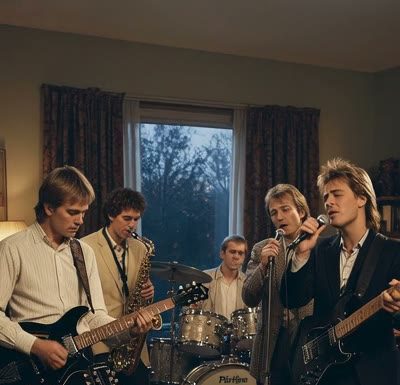
It was 1981, and the grey skies over Hertfordshire were doing their best to dampen the spirits of a seventeen-year-old lad sat on the top deck of a rattling number 32 bus. While most teenagers were busy staring out the window, daydreaming about their first proper pint or the girl from down the road, a young George Michael was doing something entirely different. He was humming. It was a simple, melancholic melody that seemed to cut right through the monotonous roar of the engine. Little did he know, that fleeting moment of teenage heartbreak would eventually blossom into the most iconic, spine-tingling saxophone riff in the history of British pop music.
Most of us remember the first time we heard the opening bars of Careless Whisper. It was the sound of a generation realising that pop music could be as raw and painful as a bruised heart. At the time, George Michael was still finding his feet, an ambitious boy with a voice that felt far too big for his youthful frame. He was not yet the superstar who would command Wembley Stadium, but the ambition was already there, hidden beneath that quintessential British reserve. He often spoke of how that bus journey provided the clarity he needed to piece together a melody that would define his entire career.
Writing that song was no quick affair. It was a labour of love that he obsessively tinkered with for years, long before it became a global sensation. George Michael was a perfectionist, a trait that both fuelled his meteoric rise and often made his life a rather complex affair. He wanted the saxophone to sound like a cry—a desperate, soulful plea that would haunt listeners long after the wireless was switched off. When it finally hit the charts in 1984, the world stood still. It wasn’t just a hit; it was a cultural touchstone that transformed a shy lad from North London into a bonafide icon.
Looking back, there is something deeply nostalgic about the way George Michael captured the angst of youth. He didn’t rely on flashy studio tricks; he relied on a genuine, aching sincerity that resonated with anyone who had ever suffered a heartbreak on a rainy Tuesday. Whether you were catching the late bus home after a gig or sitting by the telly waiting for the Top of the Pops countdown, his music became the soundtrack to those quiet, reflective moments. He had an uncanny knack for making the deeply personal feel universal.
Even today, decades after that bus ride, the legacy of George Michael remains untarnished. We still listen to those melodies and remember not just the song, but the era it represents—a time when music felt like it held the secrets to our very existence. As the world changes and the colour fades from our old polaroids, some things remain constant. Next time you find yourself on a slow journey through the suburbs, listen closely. You might just hear the echoes of a young dreamer still humming that same tune, waiting to break our hearts all over again.