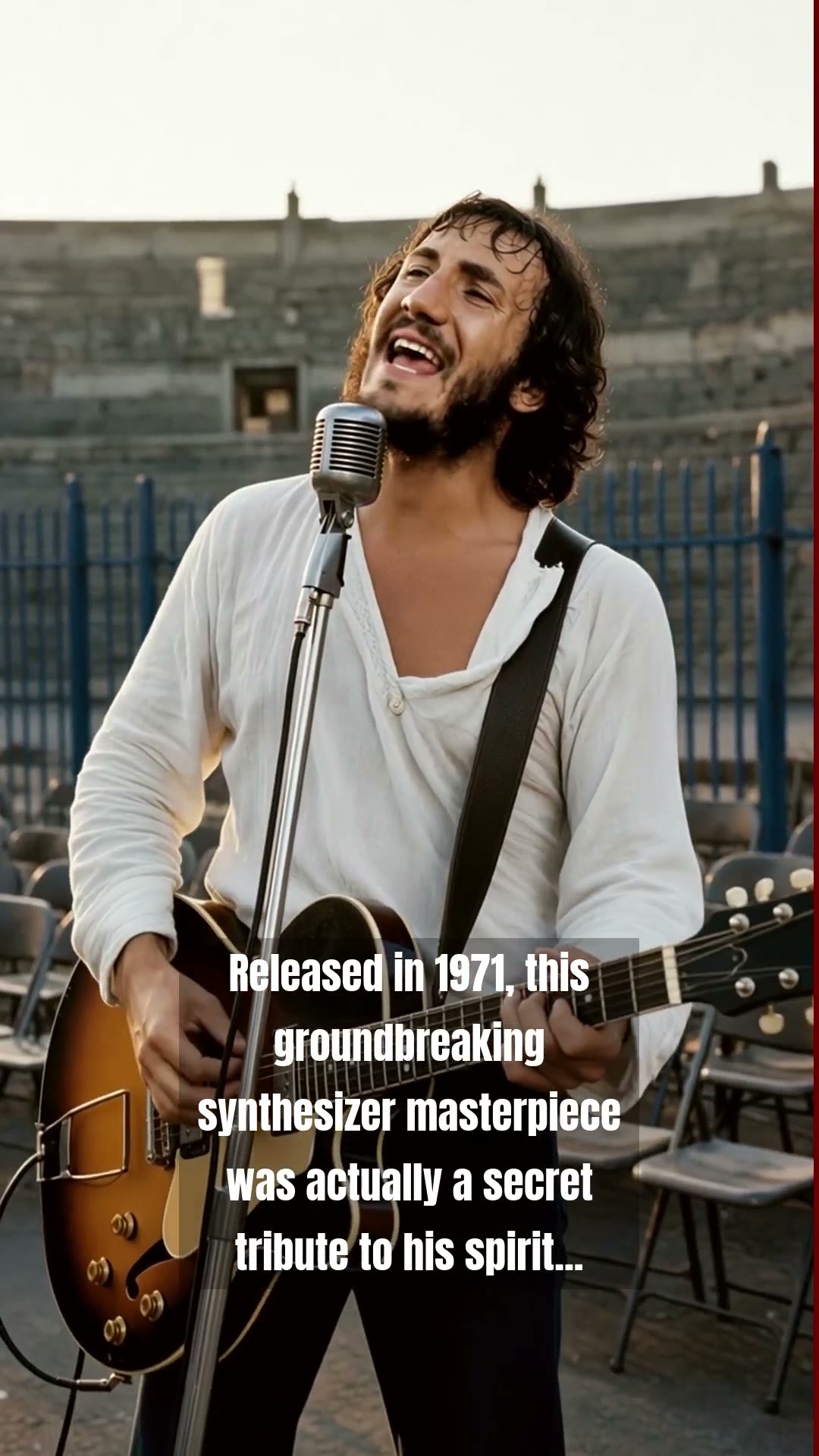
If you were watching Top of the Pops in the early seventies, the opening bars of a certain track likely made your hair stand on end. You might have known it as Teenage Wasteland, but to the rest of us, it was the seismic shift that defined the post-Who’s Next era. Pete Townshend, the brooding mastermind behind The Who, had crafted something far more profound than a standard rock anthem. While the youth of Britain were jumping about in their favourite flares, screaming along to the chorus, they little realised they were actually chanting a complex, minimalist prayer to a spiritual guru and a visionary composer.
It was 1971, and the world of British rock was becoming saturated with excess. Yet, Pete Townshend was looking inward. The iconic, throbbing synthesizer loop that drives Baba O’Riley wasn’t merely an experiment in studio technology; it was a tribute to Meher Baba, the Indian spiritual master whom Townshend revered, and Terry Riley, the minimalist pioneer whose repetitive structures had captured the guitarist’s imagination. By layering these electronic textures, Pete Townshend bridged the gap between the chaotic energy of the mod movement and the intellectual curiosity of the prog rock scene. It was a audacious gamble that could have easily fallen flat, but instead, it became the heartbeat of a generation.
I remember sitting in my mum’s living room, staring at the glowing glass of the telly, trying to fathom how a band known for smashing guitars could produce something so hauntingly structured. There was a colour to the sound that we hadn’t heard before—a sort of synthetic, pulsing grey that somehow felt like the dawn of a new decade. Pete Townshend had taken the raw, discordant noise of London life and refined it into a masterpiece of order and chaos. It was the ultimate contradiction, a song about the aimless frustration of British teenagers that was, in truth, an homage to transcendental enlightenment.
Looking back, the genius of the track lies in its deceptive simplicity. Many casual listeners assumed it was a cynical take on the state of the nation, a gritty observation of the post-war slump. But Pete Townshend was aiming for something far higher. He managed to weave together disparate threads of influence, turning technical loops into a soaring, euphoric crescendo that still fills stadiums today. It serves as a reminder that even in the height of the glam rock craze, there was an underlying current of deep artistic search happening behind the scenes of our favourite bands.
Does it still hold up? Absolutely. Whenever I hear that synthesiser kick in, I’m transported back to a time when music felt like a revolution of the mind as much as a foot-stomping gig. Pete Townshend didn’t just write a hit; he created a sonic monument that honoured his mentors while giving us the anthem we didn’t know we were missing. Next time you play the record, listen closely to the loops—you might just hear the whisper of a guru behind the electric roar.