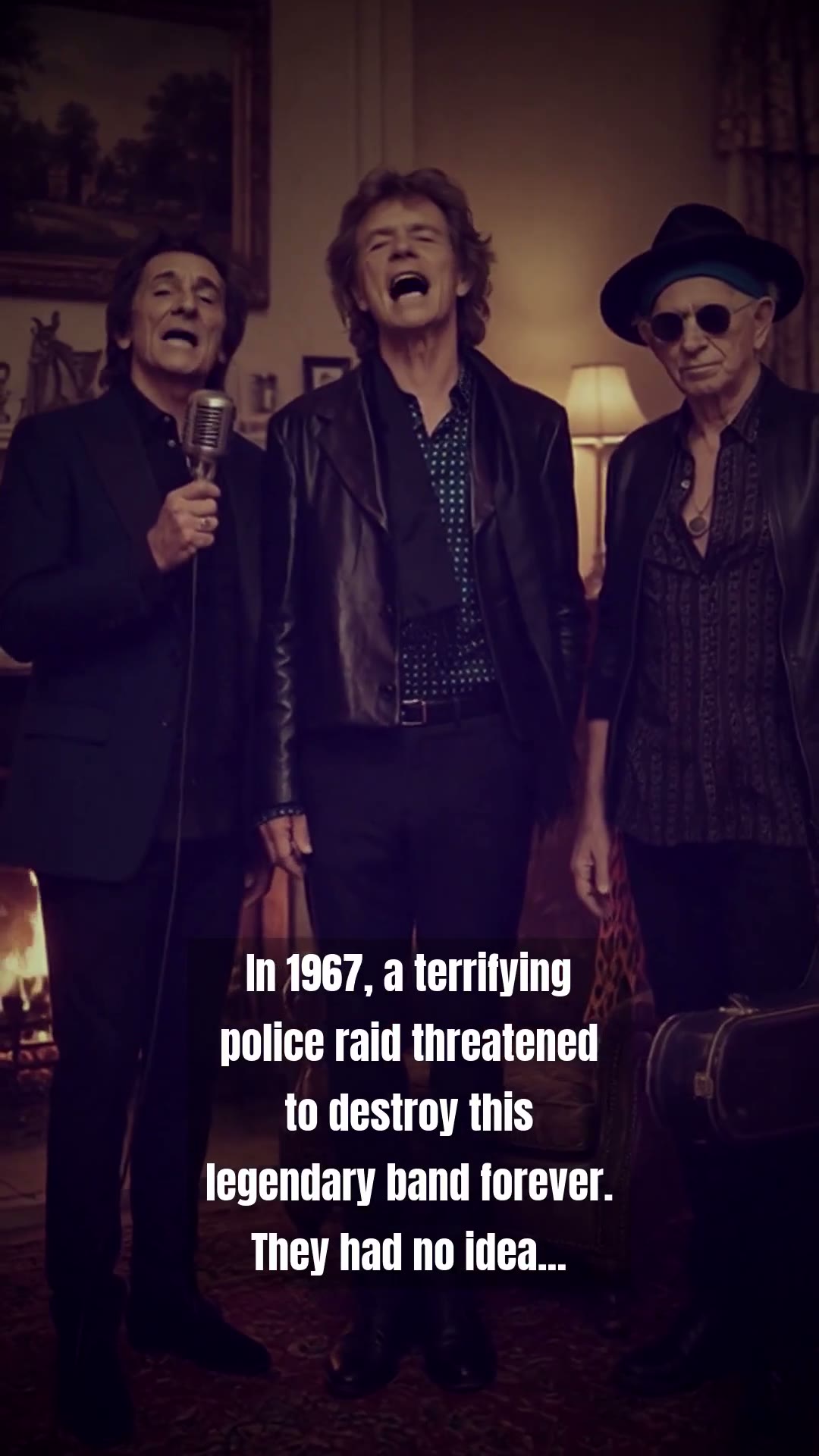
Picture the scene: it is a chilly February evening in 1967 at Redlands, Keith Richards’ secluded Sussex estate. The air is thick with the scent of incense and the sound of music, a quintessential bohemian getaway for the era’s brightest stars. Little did the attendees know, their quiet night of escapism was about to be shattered by the blue lights of a police raid that would send shockwaves through the heart of the British establishment. It was a moment that transformed The Rolling Stones from merely rebellious pop stars into the defining symbols of 1960s counter-culture.
At the time, the British authorities were desperate to curb the influence of long-haired musicians who they felt were corrupting the nation’s youth. The raid on Redlands, targeting Mick Jagger and Keith Richards, was arguably the most publicised attempt to crush this burgeoning movement. Officers arrived in droves, turning a private gathering into a national scandal. The newspapers the following morning were full of lurid tales, designed to paint the band as dangerous subversives. It was the sort of drama that had every mum in Britain clutching their pearls in front of the telly, convinced that the moral fabric of the country was unravelling at the seams.
However, the establishment failed to realise the effect their aggression would have on the public psyche. By trying to lock the band away, they inadvertently turned The Rolling Stones into martyrs for an entire generation. When Jagger and Richards faced the prospect of a lengthy stretch in prison, the rock music community rallied in a way never seen before. Even The Times ran a famous editorial titled ‘Who Breaks a Butterfly on a Wheel?’, questioning the disproportionate cruelty of the sentencing. It was a turning point, not just for the group, but for the status of rock stars as potent social and political figures.
There is a peculiar magic in how The Rolling Stones navigated this chaos. Instead of crumbling under the pressure of legal battles and relentless media scrutiny, they doubled down on their image as the outsiders. They had a natural, gritty appeal that resonated with anyone who felt stifled by the rigid expectations of post-war Britain. This wasn’t just about drugs or headlines; it was about the freedom to be different in a country still learning to colour outside the lines. Their defiance became a badge of honour, cementing their status as the true bad boys of British rock.
Looking back, that winter night in 1967 feels like the end of innocence for the decade. The Rolling Stones didn’t just survive the scandal; they used it to forge a legacy that would last for decades. They emerged from the courtroom not as prisoners, but as legends, proving that no amount of state pressure could silence their sound. It is a story that still feels raw and vital, reminding us all why this band remains our favourite musical obsession. Their journey from Redlands to the world stage is the ultimate tale of survival, spirit, and rock and roll defiance.