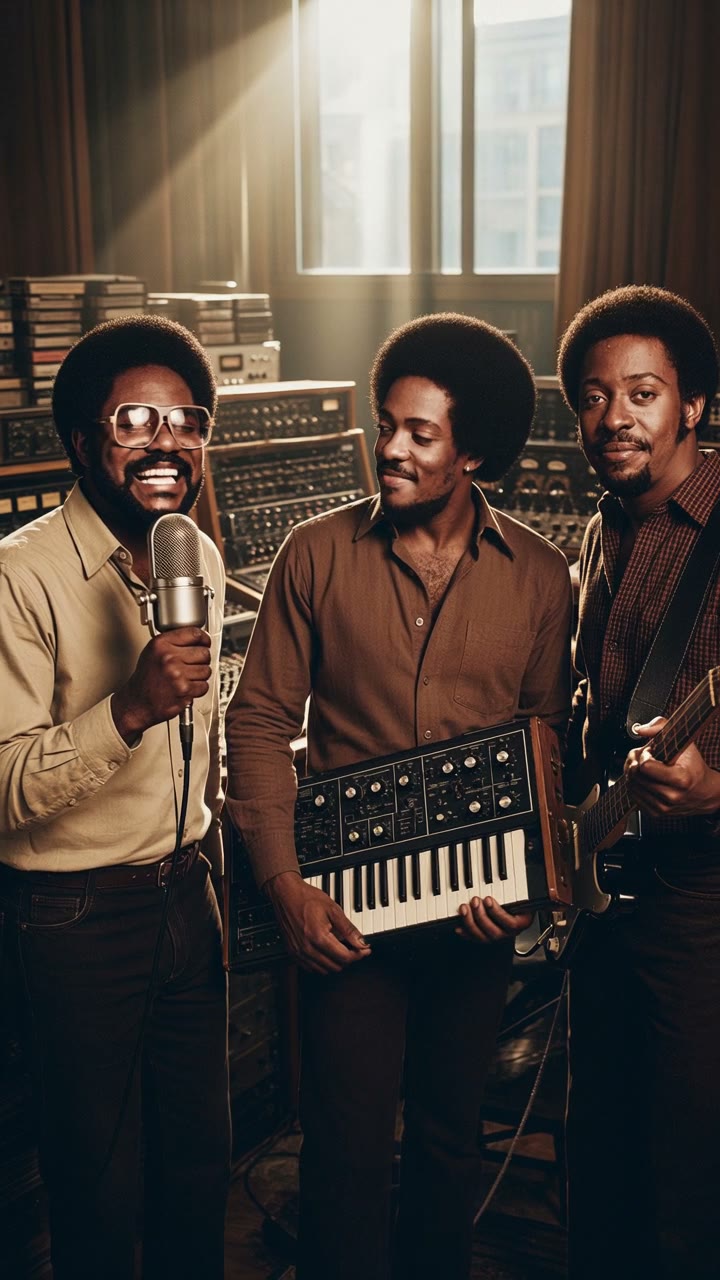
In the mid-1990s, the neon lights of Hollywood Boulevard cast long, unforgiving shadows. For most, the street was a pathway to fame, a concrete jungle where dreams were manufactured by the industry. For Charlie Wilson, however, it was a cold, hard floor. As the iconic frontman of The Gap Band, he had once commanded massive crowds and dominated the radio waves with funk-infused anthems that defined an era. Yet, by the mid-nineties, the man who sang ‘You Dropped a Bomb on Me’ was invisible, drifting through the darkness while clutching a cardboard box for shelter. It is a haunting image that serves as a grim reminder of how quickly the spotlight can fade.
The decline did not happen overnight. The music industry, much like the changing tides of the decade, was shifting rapidly. As the golden era of funk gave way to the grittier, raw sounds of Grunge and the burgeoning movement of Gangsta Rap, veterans of the 1970s and 80s were often discarded like yesterday’s news. Charlie Wilson fell victim to the treacherous intersection of professional isolation and a deep struggle with addiction. The drugs that he once associated with the party culture of the disco era eventually consumed his reality, stripping away his home, his dignity, and his connection to the world of music that had defined his soul.
Walking down the boulevard, tourists and locals alike passed him by without a second glance. The man whose voice was etched into the grooves of vinyl records in millions of households was reduced to a ghost in the machine. It is one of the most sobering stories of the twentieth century, reflecting the dark underbelly of fame that rarely makes it into the glossy magazines of the time. The transition from the high-energy funk of the Jukebox generation to the silent isolation of a cardboard box on the street is a story of profound human resilience that feels almost cinematic in its tragedy.
Yet, the story of Charlie Wilson did not end in that alleyway. His path to redemption is as miraculous as his fall was devastating. With the support of people who truly saw him for the legend he was, he checked into a rehabilitation center and began the painstaking work of reclaiming his life. This was not a quick fix; it was a slow, deliberate reconstruction of a spirit broken by the industry and his own choices. He had to trade the substances for melodies and the street lights for the recording studio, slowly reminding the world that his voice was far from silenced.
Today, when we look back at the trajectory of Charlie Wilson, we are witnessing a testament to the enduring power of the human spirit. His comeback did not just shock the world; it reshaped the landscape of modern R&B and cemented his legacy as a true survivor of the music industry. His journey from the depths of homelessness to the heights of renewed stardom serves as an enduring reminder that no matter how dark the night, the music—and the man behind it—can always find a way to return to the light.