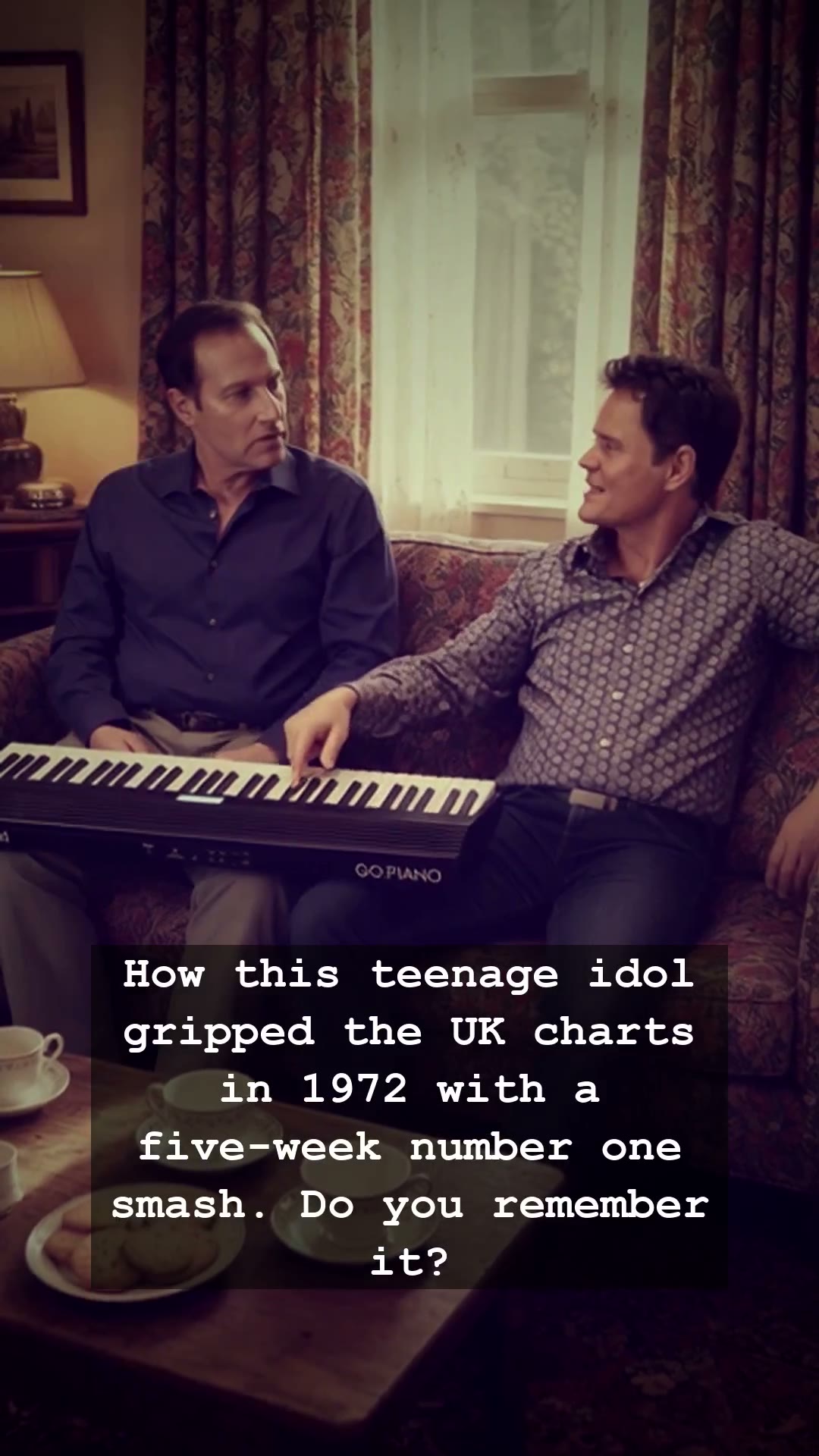
Picture the scene in living rooms across Britain back in 1972. The glowing telly screen, the smell of Sunday roast lingering in the hall, and millions of teenagers huddled around their record players in absolute thrall. It was an era when pop magazines like Jackie were clutched like sacred texts, and bedroom walls were plastered edge-to-edge with glossy posters. Right at the epicentre of this adolescent frenzy stood a young American with flashing white teeth, sparkling eyes, and a voice that could melt butter. Donny Osmond was not merely a pop star; he was a full-blown cultural phenomenon who had the entire nation wrapped around his little finger.
The madness reached its absolute fever pitch when Donny released his signature sentimental ballad, a velvety cover of Puppy Love that sent shockwaves right through the UK charts. If you flicked on BBC Radio 1 or tuned into Top of the Pops that year, escaping the track was quite simply impossible. It locked down the number one spot for five solid weeks, soundtracking countless school discos and adolescent daydreams. Girls up and down the country wept into their pillows, completely infatuated, while parents looked on in bewildered astonishment at the sheer scale of the hysteria.
Yet, behind the bright lights and the adoring screams, the reality of being Donny Osmond was a relentless whirlwind of touring and intense pressure. He was just a teenager himself, navigating a surreal existence dictated by screaming crowds and frantic stage exits. Whenever his tour bus rolled into British cities, roads would grind to a complete standstill. Police officers were regularly deployed to hold back waves of ecstatic fans desperate just to catch a fleeting glimpse of their favourite idol. It was a level of Beatlemania-esque devotion that had not been witnessed in Britain for quite some years.
What made the Donny Osmond craze so uniquely powerful was the sheer earnestness of it all. In an era when the musical landscape was beginning to fracture into grittier rock and complex progressive sounds, Donny represented a pure, unapologetic nostalgia. He gave teenagers permission to feel deeply, to embrace sentimentality without a shred of cynicism. His face was everywhere, adorning lunchboxes, badges, and annuals, cementing his status as an indispensable chapter of British pop culture history.
Looking back across the decades, it is fascinating to realise just how deeply those five weeks at number one shaped a generation. For many who grew up in the seventies, hearing those opening notes today instantly transports them back to a simpler time of woollen jumpers, patterned wallpaper, and innocent first crushes. Donny Osmond may have crossed the Atlantic as a fresh-faced kid from Utah, but he permanently captured the collective heart of Britain. Do you still remember where you were when that timeless ballad filled the airwaves?