Picture the scene across Britain in 1960. Families would gather round the glowing telly in the front room, or huddle close to a crackling wireless, desperate for a sound that felt genuinely, thrillingly modern. For years, British pop had been a rather polite affair, dominated by crooners and gentle ballads. Then, a peculiar piece of magic dropped onto the airwaves and turned the nation’s musical landscape entirely upside down. It was an instrumental track that carried no lyrics, yet it spoke volumes to a mesmerising new generation eager to find their own cultural identity.
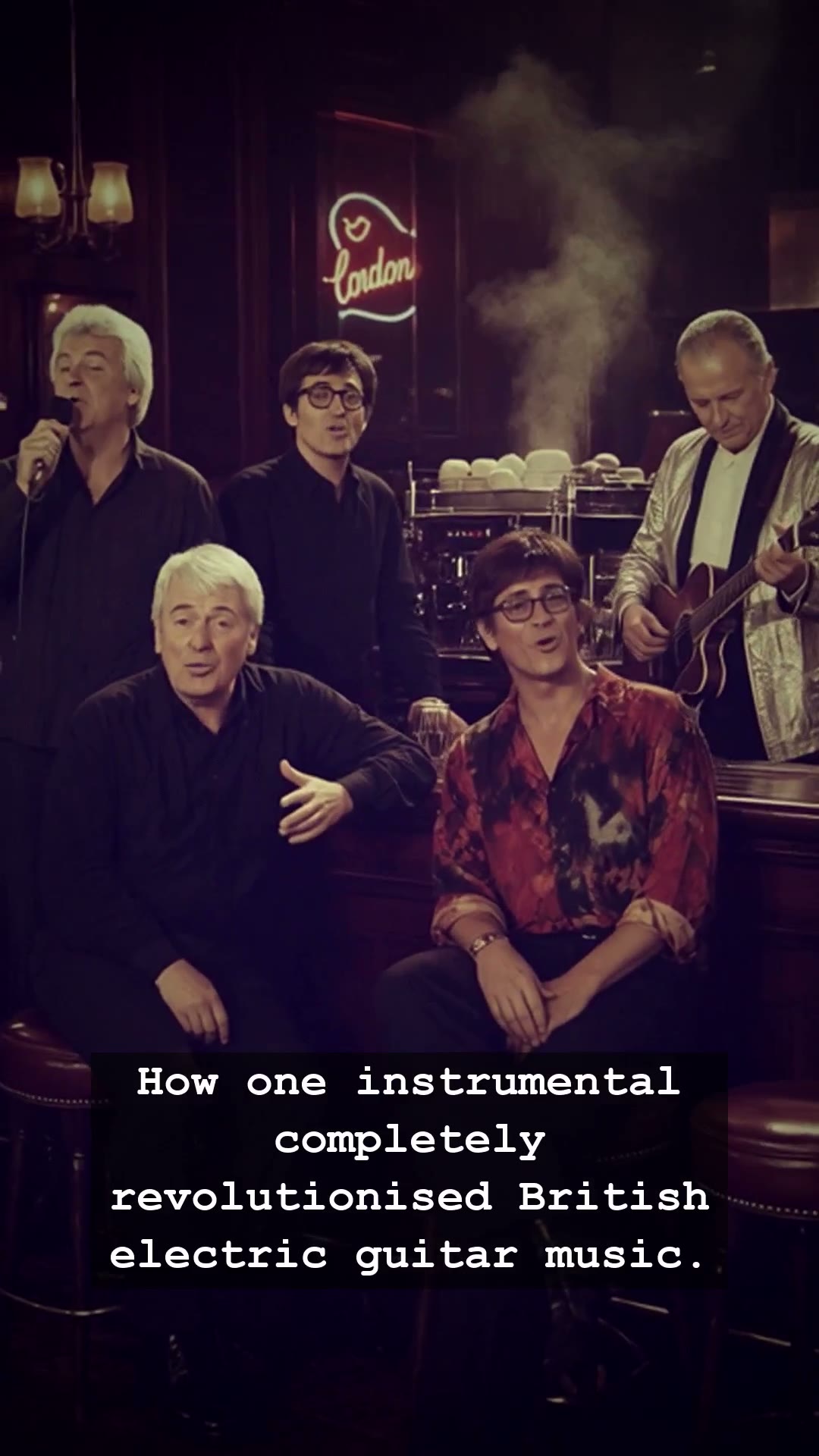
That track was Apache, performed by a brilliant instrumental group called The Shadows. Before their arrival, the electric guitar was largely viewed as a supporting player, a mere rhythmic novelty imported from across the Atlantic. But when Hank Marvin stepped up with his candy-apple red Fender Stratocaster—a rare sight in post-war Britain—and struck those legendary opening notes, everything shifted. That distinctive, reverb-soaked twang sent shivers down spines from Soho to Scotland, proving that an electric guitar could carry a melody with as much emotional weight as any human voice.
The backstory of the tune is almost as fascinating as its cultural impact. Originally composed by Jerry Lordan, the song was rejected by several artists before landing in the hands of The Shadows, who were then serving as the backing band for Cliff Richard. Recognising its potential, they took it into Abbey Road Studios and crafted a sonic masterpiece. Hank Marvin used a British Watkins Copicat tape echo unit to create that haunting, spacious atmosphere. It was a pioneering use of effects that would soon become a signature of the emerging British sound.
When Apache rocketed straight to number one in the UK singles chart, it stayed there for five weeks, capturing the imagination of teenagers up and down the country. It wasn’t just a hit; it was a watershed moment. Suddenly, every lad with a pocketful of dreams down at the local music shop wanted to get their hands on a guitar. Future legends of the British Invasion—including a young Eric Clapton, Brian May, and Mark Knopfler—have all openly credited Hank Marvin and The Shadows as the primary spark that lit their creative fires. Without that initial, twangy revolution, the landscape of British rock as we know it simply wouldn’t exist.
Decades later, the rich legacy of The Shadows endures far beyond the nostalgic haze of Sunday afternoon variety shows and old vinyl collections. That pioneering guitar work remains a masterclass in tone, restraint, and sheer atmosphere. It reminds us of a simpler, more hopeful era when a single instrumental track could completely reinvent the rhythm of British life. Put on the record today, close your eyes, and you can almost smell the old valve amplifiers warming up in a misty London rehearsal room.