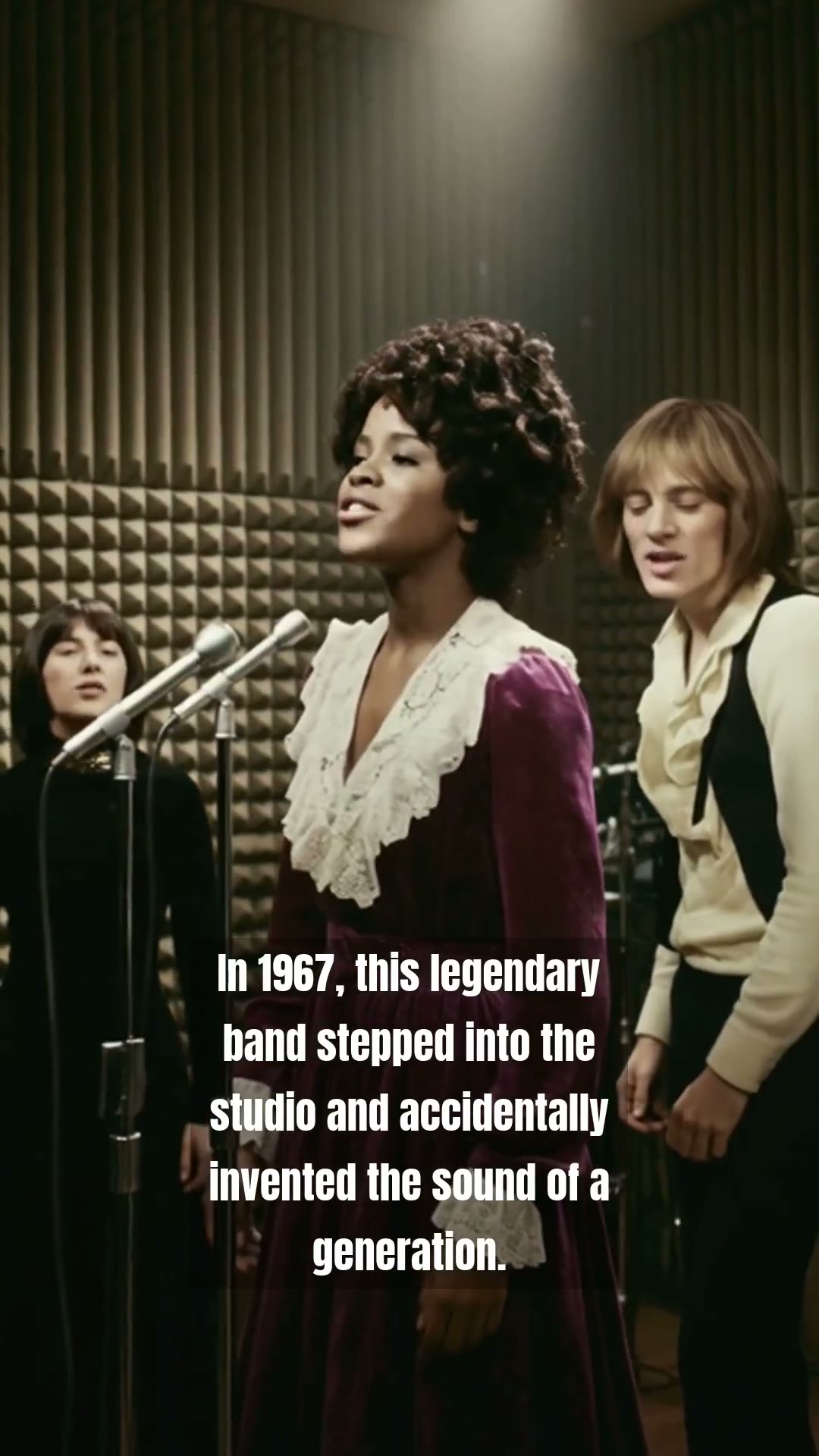
It was 1967, and the air in London was thick with the scent of change. Across the capital, the grey post-war monotony was being washed away by a kaleidoscopic wave of colour and sound. Within the hallowed walls of Olympic Studios, four lads from the East End known as the Small Faces were busy crafting something that would rattle the foundations of the pop world. They were not merely recording a track; they were accidentally inventing the sonic blueprint for a generation. It is a story of raw talent, a bit of kit-fiddling, and the kind of creative lightning that only strikes once.
The Small Faces were the definitive face of the Mod movement, but by the time they hit the studio that year, they had evolved. They were restless, tired of the constraints of three-minute radio hits, and hungry to push the boundaries of what a four-piece could achieve. As they began to experiment with their equipment, they stumbled upon an audio anomaly. By running a vocal track through a rotating Leslie speaker—a cabinet usually reserved for the warm, breathy tones of a Hammond organ—they created a swirling, ethereal effect that sounded like nothing else on the wireless. It was trippy, it was daring, and it completely redefined the landscape of British pop music.
This shift, famously captured in tracks like Itchycoo Park, turned the Small Faces into architects of the psychedelic era. The sound was an accidental masterpiece, a happy mistake that realised the band’s ambition to capture the feeling of a hazy summer afternoon. When that record finally hit the shelves, it didn’t just chart; it mesmerised a nation. For the young people tuning into Top of the Pops on their flickering telly sets, this was the sound of liberation. The Small Faces had successfully bridged the gap between gritty rhythm and blues and the mind-bending possibilities of studio production.
Looking back, the legacy of the Small Faces remains remarkably potent. Unlike the larger-than-life stadium acts that would follow, there was always something deeply authentic and quintessentially British about them. Whether it was Steve Marriott’s soul-drenched vocals or the tight, interlocking rhythm section, they captured the absolute zenith of psychedelic euphoria without losing their sense of humour or their roots. They were the boys next door who turned the world into a technicolour dreamscape, proving that you didn’t need a massive orchestra to move the needle of history.
Even today, if you drop the needle on one of their classic records, the magic remains as palpable as ever. Their influence can be heard in everything from Britpop to modern indie, a testament to their enduring craft. It is a reminder that the best music often comes from those moments of chaos when artists stop following the rules and start listening to the accidental ghosts in the machine. Next time you find yourself humming those familiar, swirling melodies, remember the Small Faces—the East End lads who, by pure chance, painted the soundtrack for an entire generation.