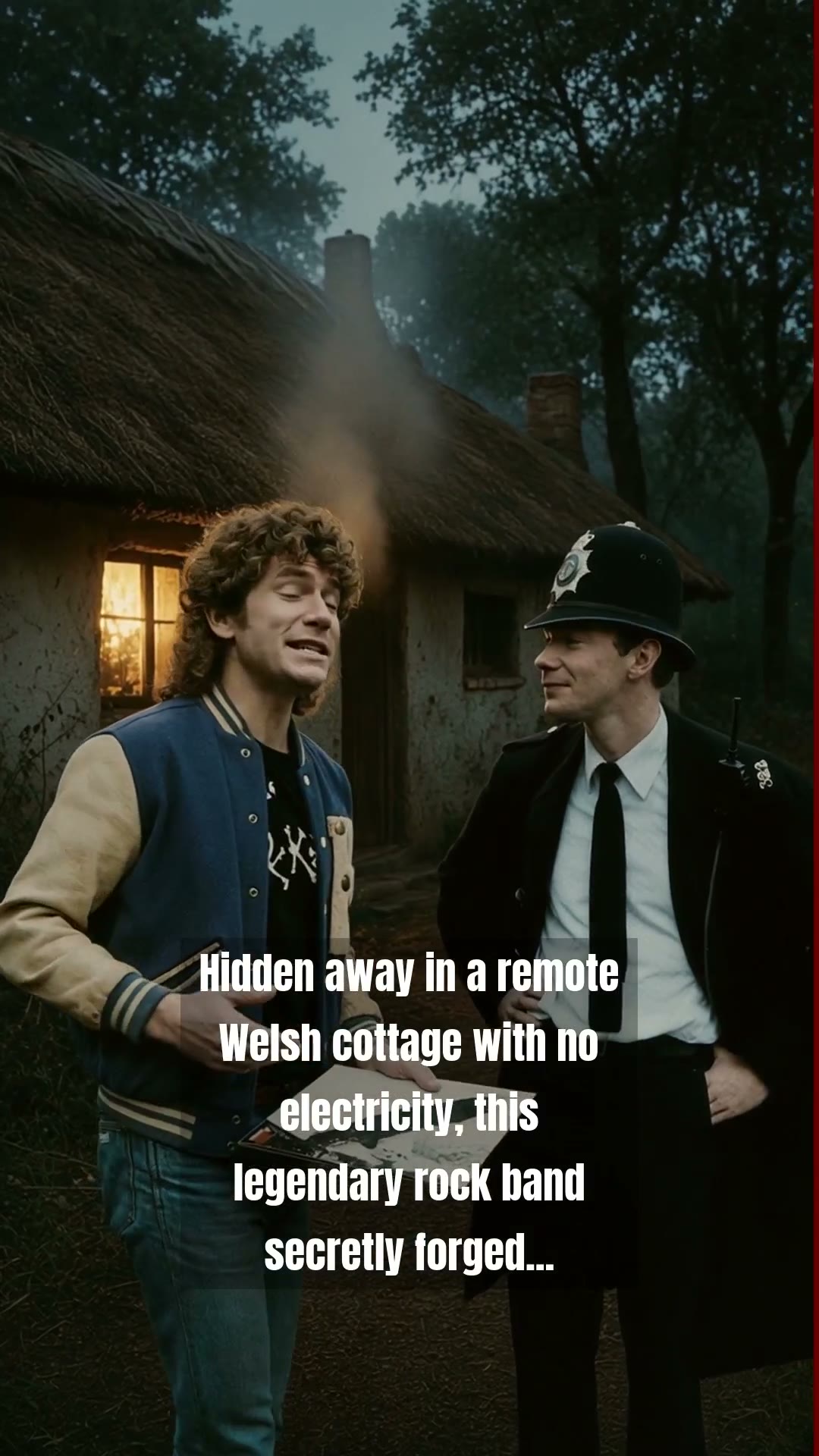
Imagine a cold, damp Welsh hillside in 1970, far from the neon lights of the London stage and the deafening roar of hysterical crowds. Here stood Bron-Yr-Aur, a crumbling, remote cottage that possessed no electricity, no running water, and certainly no luxury. It was into this desolate isolation that the world’s heaviest rock band retreated. Led Zeppelin, fresh from conquering the United States, decided they had grown weary of the blues-soaked, ear-splitting amplification that had become their signature. They wanted to strip away the artifice and rediscover something primal, something earthy, and altogether hauntingly beautiful.
The resulting shift in sound was nothing short of a miracle. While the world expected another thundering anthem, Jimmy Page and Robert Plant found solace in the silence of the Welsh valleys. They spent their days huddled by a fireplace, nursing acoustic guitars and listening to the wind howling against the stone walls. It was here that they realised they could harness the mysticism of the British landscape. The band members were not just musicians here; they were explorers of tone, capturing the soul of the folk tradition and weaving it into the fabric of their hard rock identity. It was a proper departure from their usual chaos, offering a glimpse into the lads behind the legends.
The songs born in that cottage, most notably the tracks that would define their third album, are steeped in this pastoral influence. Tracks like Bron-Yr-Aur Stomp and the delicate, intricate guitar work on That’s the Way shimmered with a rustic brilliance that most fans never thought possible from the architects of heavy metal. By stripping back the production, Led Zeppelin proved they were not mere noise-makers but master craftsmen. They were able to pivot their sound with such ease because they were grounded in a deep respect for the roots of music, far away from the prying eyes of the press and the relentless demands of the record labels.
Looking back, this period remains perhaps the most fascinating chapter in the Led Zeppelin story. It showed a vulnerable, reflective side of the band that rarely surfaced under the blinding lights of Wembley or the frantic energy of a Top of the Pops appearance. That damp, quiet Welsh cottage became the crucible for a sound that transcended genres. It was a brave choice at the time, and history has proven it to be their most inspired creative risk. For many, this era represents the very best of Led Zeppelin, a band that refused to be pigeonholed.
Even today, those acoustic melodies possess a timeless colour that newer music often fails to replicate. When you listen closely, you can almost hear the crackle of the wood fire and the isolation of the hillside. It is a reminder that sometimes, to find your true voice, you have to leave the world behind and simply listen. It is a story that continues to resonate with anyone who loves the grit and glory of British music history, proving that even titans of rock need the silence to truly shine.