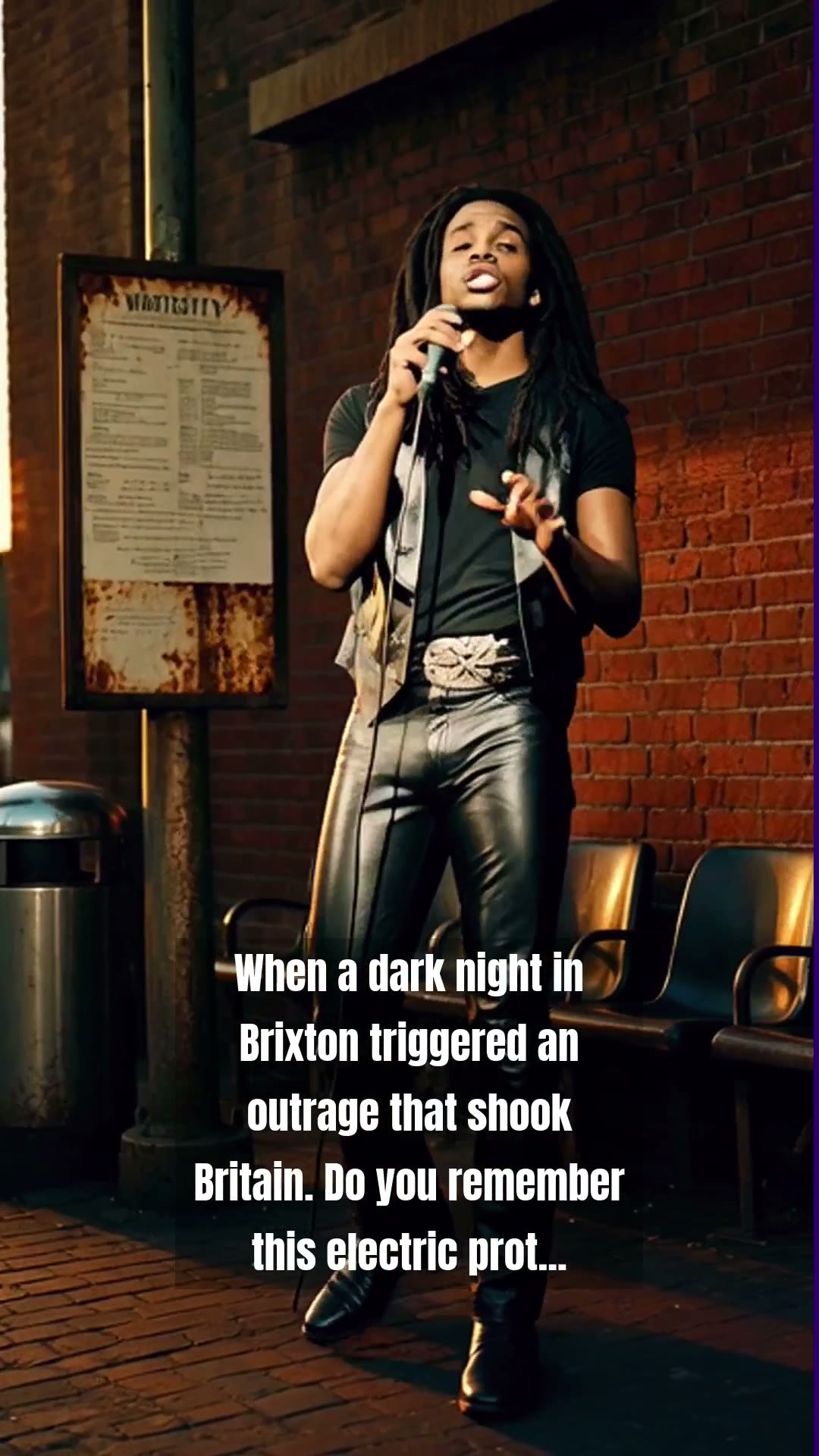
Picture the scene: it is 1982, and the air across South London feels heavy with an unspoken, simmering tension. For many of us, those years were a cocktail of economic gloom and cultural shifts that felt like they might boil over at any moment. While the telly in our living rooms was filled with reports of civil unrest and burning streets, one man was in his studio, quietly crafting a song that would turn the frustration of the Brixton riots into an infectious, synth-heavy masterpiece. That man was Eddy Grant, and the song was the electrifying Electric Avenue.
Eddy Grant was never an artist to shy away from the gritty reality of life on our doorstep. Having grown up navigating the complexities of post-war Britain, he possessed a rare talent for blending social commentary with a rhythm that made it impossible to stand still. When the 1981 Brixton uprising rocked the nation, it wasn’t just a news headline for him; it was a visceral experience of the social deprivation that had been allowed to fester for too long. He saw the fire, felt the heat, and realised that the only way to make the establishment listen was to package the truth in a hook that everyone would be humming by the following week.
What made Electric Avenue so startlingly brilliant was its unique sonic colour. While the streets were painted with the chaos of protest, the track featured a polished, almost futuristic synth beat that contrasted sharply with its biting lyrics. Eddy Grant did not just write a protest song; he created a documentary of the era. Mentioning the struggle of the man on the street, he challenged us to look at the ‘hard road’ that many were forced to walk. It was a bold move that brought the realities of the inner city directly into the pristine living rooms of suburban Britain, forcing a dialogue that the mainstream media often preferred to ignore.
I still remember hearing it for the first time on the wireless, completely unaware that such a catchy melody was holding a mirror up to our fractured society. It was the genius of Eddy Grant to make us dance to our own collective grief and anger. The song bridged a divide, reaching the top of the charts and becoming an anthem for a generation that felt ignored by those in power. It captured the specific, gloomy colour of a London night illuminated by the flicker of streetlamps and the glow of unrest.
Even today, decades after its release, the song remains a favourite on playlists because it is authentic. It reminds us of a time when music was the primary vehicle for dissent, providing a voice to the voiceless in a way that feels increasingly rare in our modern age. Eddy Grant managed to bottle the lightning of a volatile decade, ensuring that the history of those streets would never be entirely forgotten. It is a timeless piece of British history, served up with a bassline that still resonates in the soul. Next time you hear those opening synths, spare a thought for the grit behind the glamour of a true British classic.