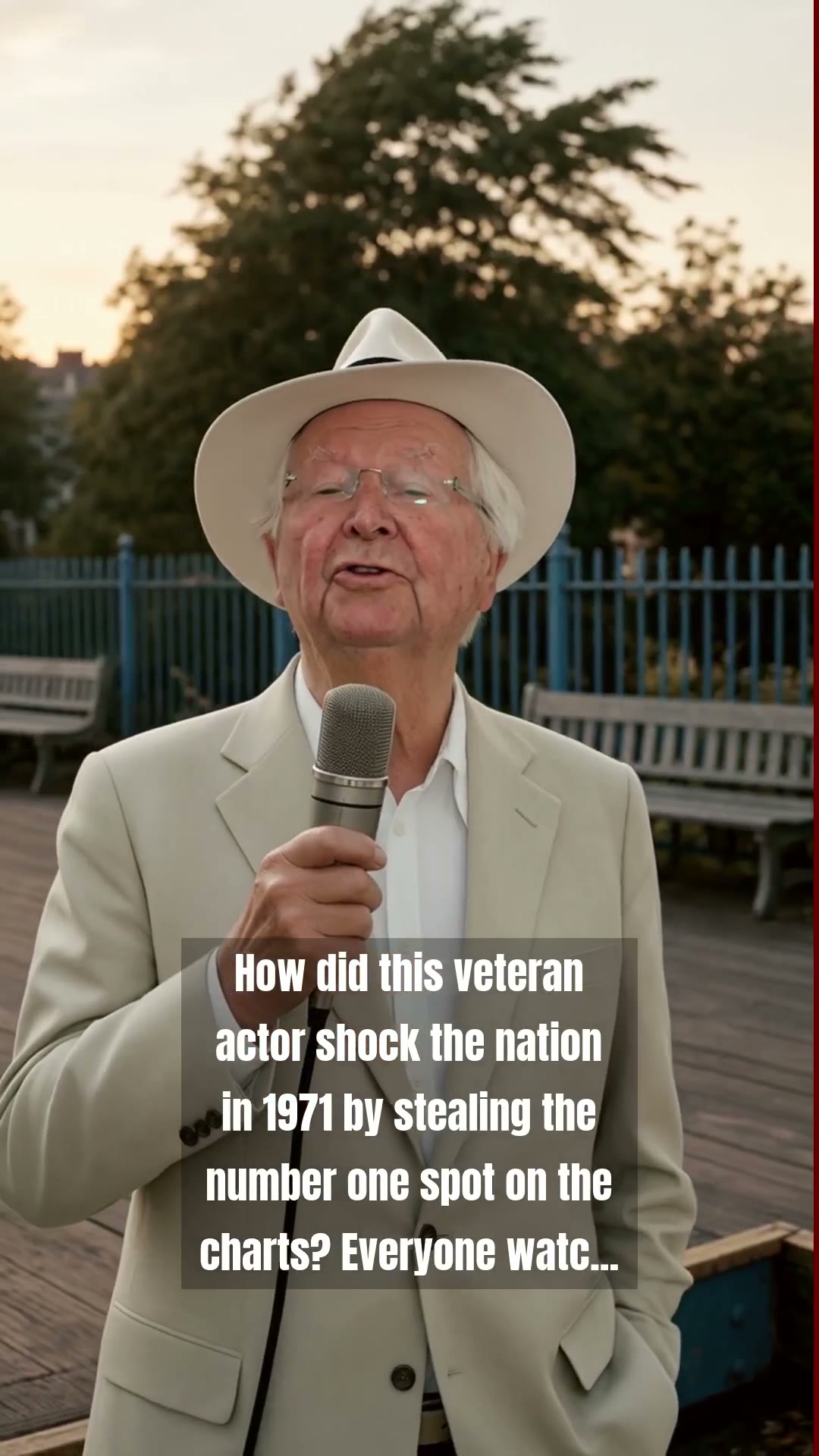
It was January 1971, a grey and biting winter, when the British public flicked on their television sets for their weekly dose of Top of the Pops. Back then, the charts were the undisputed heartbeat of the nation, a fiercely contested battleground between the titans of rock and the rising stars of glam. Yet, on this particular evening, the nation watched in utter disbelief as the top spot was claimed not by a gritty rocker or a polished pop idol, but by a beloved, bushy-browed grandfather figure. Clive Dunn, a veteran character actor immortalised in the hearts of the public as Jonesy from the sitcom Dad’s Army, had managed the unthinkable: he had knocked the icons off their pedestal with his poignant, tear-jerking ballad, Grandad.
To understand the sheer magnitude of this musical theft, you have to realise how sacred the charts were to the British working class. We lived by the NME and the weekly reveal on BBC Radio 1. The musical landscape was shifting; the psychedelia of the late sixties was giving way to the raw energy of the new decade. Yet, there was an unmistakable longing for comfort. Clive Dunn had tapped into a collective, quiet vulnerability. With his shaky, emotive vocal performance, he sang about the simple, profound love between a grandfather and his grandchild. It was an unapologetic piece of nostalgia that cut through the noise of a rapidly changing Britain, resonating with a generation that still valued the old-school sentiments of family and duty.
Watching the performance back now, it remains a surreal piece of television history. There was no flashy stagecraft or stadium lighting—just the grandfatherly charm of Clive Dunn, looking slightly bewildered to find himself at the summit of the UK charts. He was a man who had spent decades as a supporting actor, honing his craft in the theatre and on the telly, only to find himself an overnight pop sensation in his early fifties. It was the kind of improbable, eccentric success that could only ever happen in Britain. The record buying public, tired of the cynicism of the era, decided that for once, they would reward genuine, simple human kindness over the manufactured cool of the mainstream music industry.
Behind the scenes, the music business was left stunned, struggling to make sense of how a comedy actor had effectively silenced the serious musicians of the day. Yet, Clive Dunn never let the success go to his head. He remained the same modest, hardworking professional he had always been. His song became more than just a hit; it became a cultural shorthand for a gentler, perhaps more innocent time. For those of us who grew up with the flickering glow of the television screen as our primary window into culture, the memory of seeing him hold that number one trophy is etched into our collective consciousness.
Even today, in an age where digital charts change by the minute and the sincerity of pop is often questioned, the story of Clive Dunn remains a warm, comforting reminder of the power of nostalgia. He taught us that music does not always have to be edgy or revolutionary to be significant. Sometimes, all it takes is a familiar face and a story that strikes a chord with the soul of the nation. It was a bizarre, brilliant, and quintessential British moment that reminds us why we still look back at the records of our youth with such immense fondness.