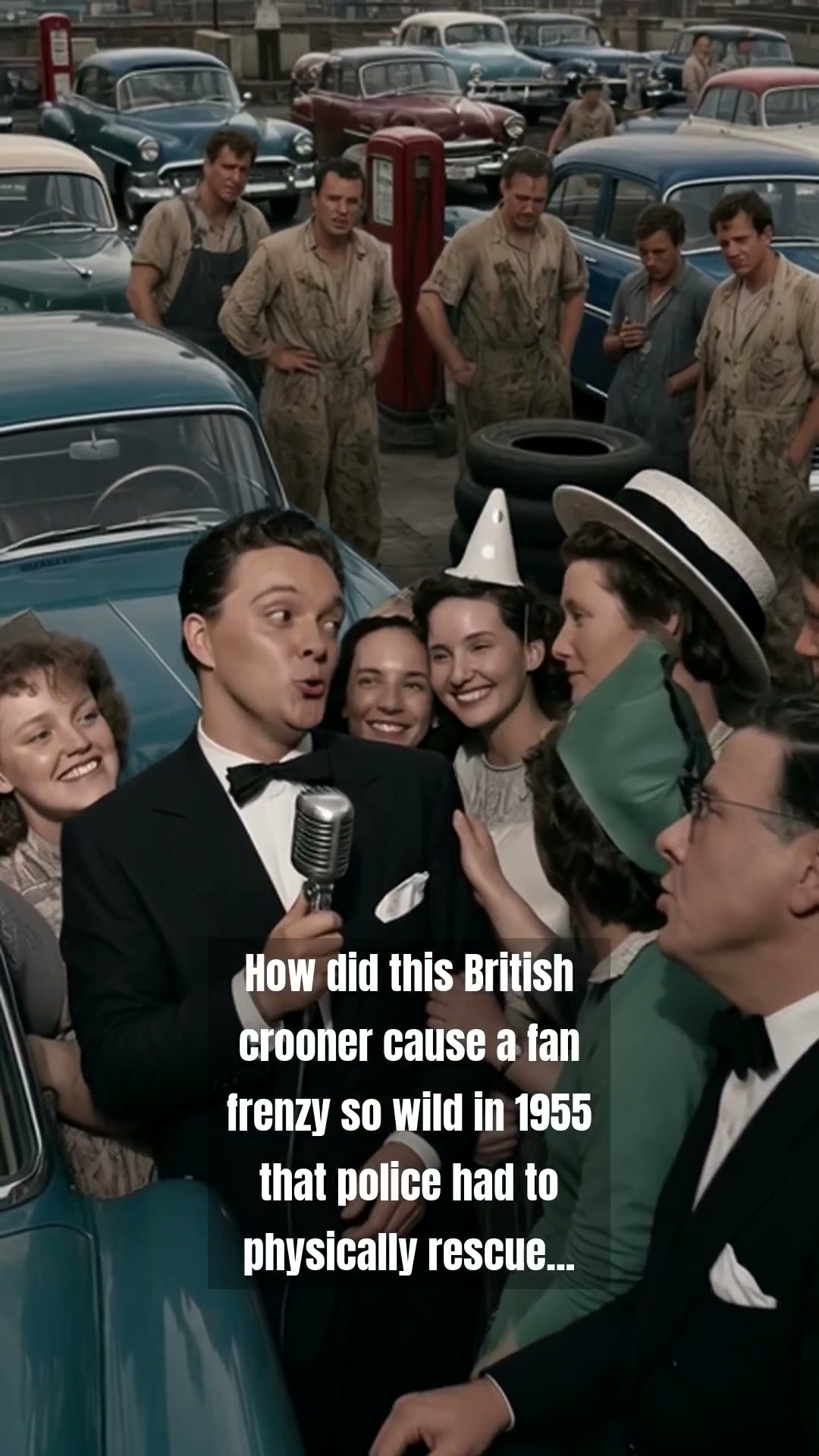
Picture the scene: it is 1955, and the black-and-white television in the corner of the parlour is flickering with the latest news. Outside, the streets of Britain are buzzing with a new, electric energy that has nothing to do with the post-war blues. Before the Beatles or the Rolling Stones had even picked up their first guitars, one man held the nation in the palm of his hand. Dickie Valentine was not just a singer; he was a phenomenon, a velvet-voiced crooner who sent the youth of the day into a state of sheer, unadulterated hysteria that even the bobbies on the beat could barely contain.
Born Richard Brice, the London-born singer became the darling of the BBC and the undisputed king of the charts. With his slicked-back hair and a smile that could charm the birds out of the trees, Dickie Valentine possessed a charisma that felt dangerous to the older generation but irresistible to the teenagers of the mid-fifties. It was a time when the cinema was the place to be, and when he took to the stage, it was more than a performance—it was a riot. Fans would wait for hours in the pouring rain, clutching their autograph books, desperate for a glimpse of their idol.
The frenzy reached such a fever pitch in 1955 that Dickie Valentine found himself at the centre of an absolute spectacle. During a theatre tour that saw him perform across the country, the scenes outside the venues were nothing short of bedlam. We are talking about thousands of screaming fans, pushing and shoving to get a touch of his suit or even a discarded handkerchief. It became so brutal that the local police had to step in, physically forming human chains to rescue him from the crush. It was a chaotic, brilliant display of pure fandom that proved music had become the new religion for British youth.
What made Dickie Valentine so special was his ability to realise the dreams of a generation eager to move past the austerity of the early fifties. His hits, like Bell Bottom Blues and Finger of Suspicion, were the soundtrack to a thousand first dates and quiet moments by the wireless. He had a rich, resonant tone that felt like a warm embrace, a stark contrast to the rough-and-tumble years that followed in the rock and roll explosion. He wasn’t just singing songs; he was providing a momentary escape into a life of glamour and colour.
Even today, looking back at the grainy footage of the era, you can sense the raw electricity that Dickie Valentine generated. He paved the way for every British star who had to dodge a crowd or escape a stage door under police escort. While music trends have shifted and the industry has changed beyond recognition, the story of Dickie Valentine remains a favourite piece of our cultural history—a reminder of a time when a single voice could cause a nation to lose its collective mind. It is a classic tale of fame, fans, and the enduring power of a catchy tune.