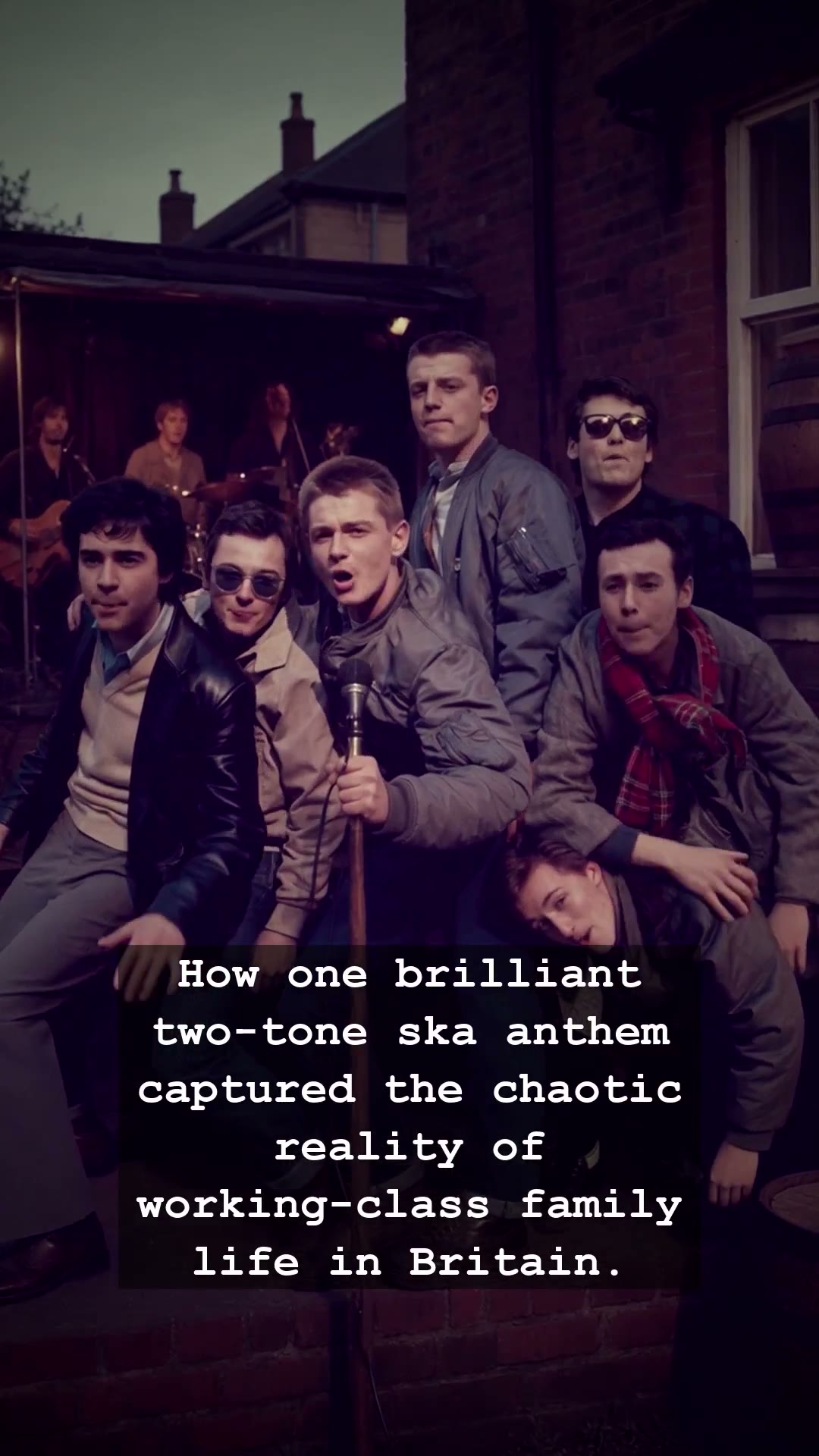
Picture the scene: it is a damp Sunday evening in 1982, the smell of roast beef lingers in the hallway, and families up and down Britain are huddled around the living room telly. Suddenly, the bouncy, unmistakable brass intro of a Madness track bursts through the speaker, instantly capturing the colourful chaos of post-war council estate life. This was the era when seven cheeky lads from Camden Town did not just top the charts; they held up a mirror to the nation, soundtracking the ordinary triumphs and quiet struggles of the British working class with unmatched wit and rhythm.
Formed in the late seventies, Madness quickly became the undisputed kings of two-tone ska and nutty sound. Yet, their genius lay in how they balanced upbeat, skanking rhythms with a bittersweet realism that felt intensely personal. While contemporaries chased stadium-sized synthscapes, Suggs and the boys rooted their music in the concrete reality of British streets. They sang about bus rides, cheap cups of tea, and the relentless hustle of making ends meet, turning everyday mundanity into something remarkably theatrical.
Nowhere was this storytelling prowess more evident than in their timeless masterpiece, Our House, released in the autumn of 1982. Penned by guitarist Chris Foreman and singer Chas Smash, the track was an instant anthem that echoed from every corner shop and council estate bedroom. It painted a vivid, nostalgic portrait of a bustling family home—mum cleaning, dad working himself to the bone, and kids running riot in the corridors. It was chaotic, noisy, and wonderfully affectionate, capturing a very specific snapshot of British working-class heritage.
For millions of fans, the song was more than just a catchy chart-topper; it was a sensory time machine. Whenever the track spun on BBC Radio 1 or featured on Top of the Pops, it brought back the warmth of crowded rooms, frayed carpets, and the comforting clatter of the kitchen. Madness had an uncanny knack for making the ordinary feel extraordinary, transforming the trials of terrace housing into a joyous celebration of community and survival during a rather bleak economic climate.
Decades later, the bittersweet charm of Madness has only deepened with age. Their cheeky grins and infectious melodies remind us of a bygone era, long before smartphones and streaming algorithms dictated our musical tastes. Whether you caught them live at a sweaty local gig or danced along in your living room as a teenager, their legacy remains woven into the very fabric of British culture.
So, next time Our House plays on the wireless, take a moment to really listen to the brass hooks and Suggs’ familiar, comforting drawl. It is a brilliant reminder of where we came from, capturing a colourful chapter of our shared past that we will always treasure. Pop the kettle on, turn the volume up, and let the timeless spirit of Madness take you right back home.