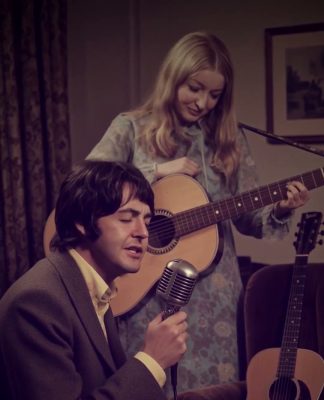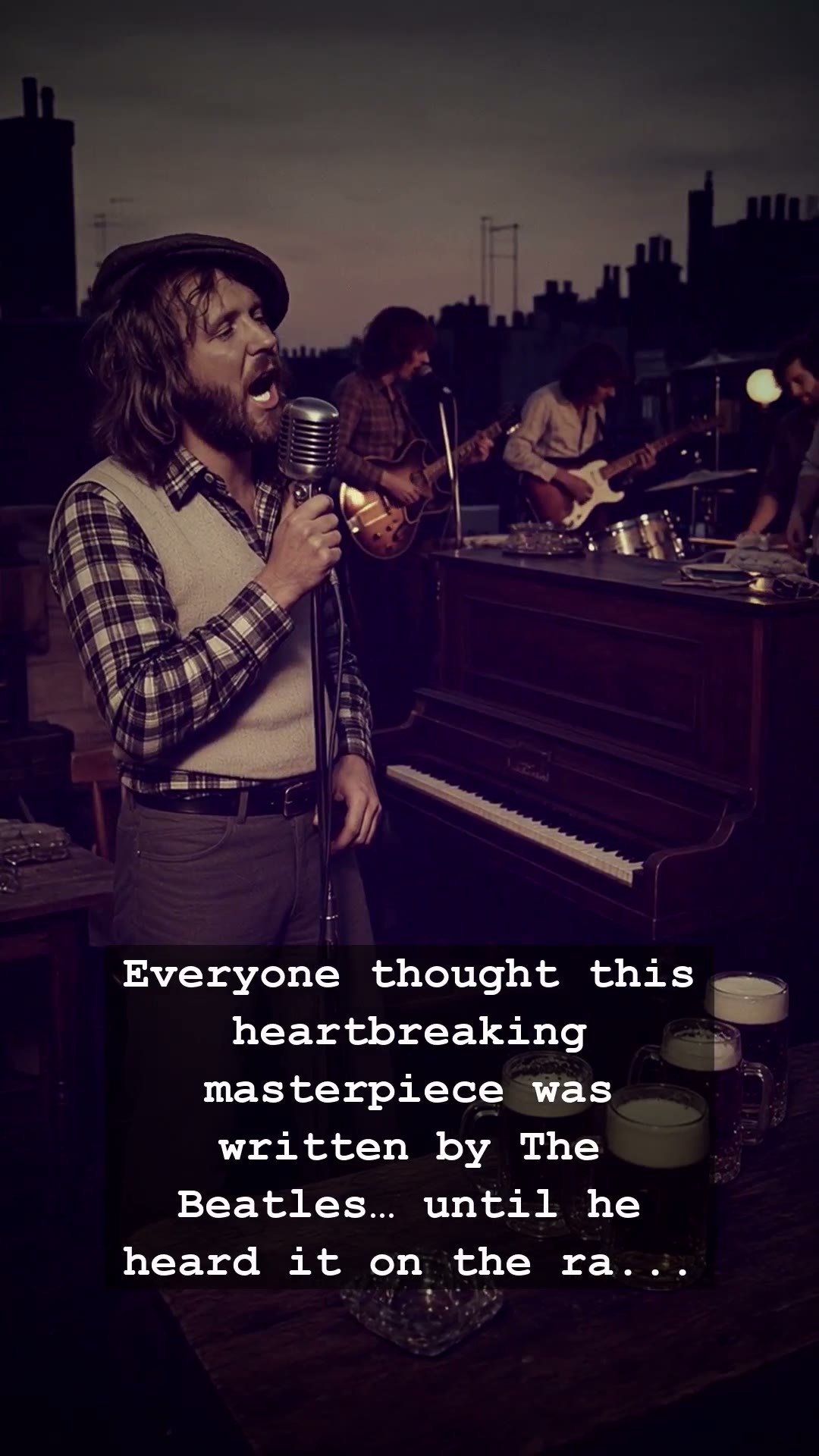
It was a grey, typically drizzly London afternoon in 1968, the kind that makes you want to curl up with a hot cup of tea and switch on the wireless. Harry Nilsson, an American singer with a voice as clear as a bell, was sat in the studio, soaking up the atmosphere of a city that was then the undisputed epicentre of the musical universe. He was listening intently to a radio broadcast when a haunting, melancholic melody drifted through the speakers. The song was titled Without You. Struck by the profound sadness and the sheer beauty of the composition, Nilsson was convinced he had stumbled upon a lost treasure—a secret, unreleased masterpiece written by none other than John Lennon and Paul McCartney. He was so smitten that he immediately decided he had to record it himself, convinced that a song of such calibre could only have come from the pens of those Liverpool legends.
Yet, the truth was far more humble and, in its own way, much more poignant. The track was not a product of the Fab Four’s genius, but a raw, aching demo by the Welsh rock band Badfinger. The members of Badfinger had been signed to Apple Records, the label founded by The Beatles, and their song had been floating around the office like a ghost in the machine. Harry Nilsson, perhaps blinded by his own adoration for the British invasion sound, had simply mistaken the band’s authentic, homegrown melancholy for the polish of his heroes. It is a charming misunderstanding, one that captures the frantic, star-struck energy of that decade perfectly.
When Nilsson finally released his version in 1971, the world realised exactly what he had heard in that initial broadcast. His soaring, cinematic rendition stripped the song down to its raw nerves, exposing a level of vulnerability that resonated with every broken heart from London to Los Angeles. It was not just a hit; it was a global phenomenon, catapulting the American singer to a level of fame that felt both well-earned and entirely surreal. It was a dramatic turn of events that solidified his place in the pantheon of great vocalists, all because of a mistaken identity on the wireless.
Looking back, there is something deeply nostalgic about the story. It reminds us of a time when music felt like a shared secret, passed along through radio waves and chance encounters in dimly lit studios. Harry Nilsson brought an intensity to the track that remains unmatched, proving that sometimes, the best art is born from a beautiful, albeit slightly embarrassing, mix-up. The drama of it—the American star chasing a phantom Beatles hit—is the sort of backstage gossip that makes the history of music so utterly compelling.
Even today, when you hear those opening piano chords, it is easy to get swept away by the same emotion that grabbed hold of Harry Nilsson all those years ago. It serves as a reminder that the songs we fall in love with often carry their own hidden histories. Whether it was the work of a Welsh band or the imagination of a misremembered Beatle, the magic remains. Have you ever had a song stop you in your tracks, making you wonder where it truly came from?