Cast your mind back to the early seventies, a time when the British charts were a vibrant, if slightly eccentric, melting pot of sounds. For many of us, the wireless and the weekly ritual of gathering around the telly for Top of the Pops were the lifelines to the music world. It was an era defined by bold colours, flared trousers, and songs that could seemingly appear from nowhere to capture the nation’s heart. Among the most curious phenomena of this period was the meteoric rise of the Scottish pop group, Middle of the Road, a band who found themselves catapulted to superstardom with a tune they frankly couldn’t stand.
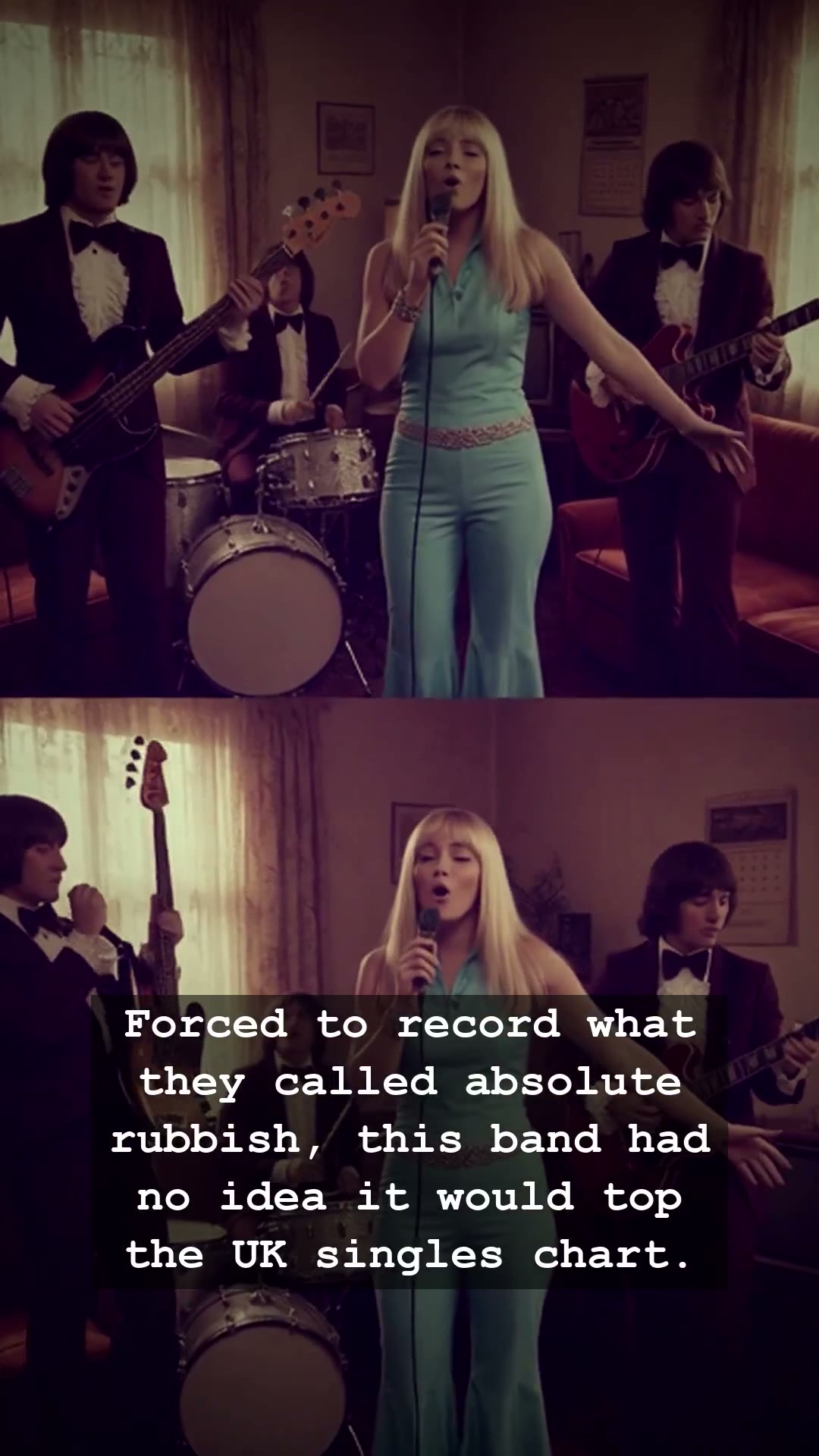
Most bands dream of a number one hit, but Middle of the Road had a rather different experience when they were pushed into the recording studio. The track in question, Chirpy Chirpy Cheep Cheep, became an inescapable earworm that would soon define their career. Despite the band members publicly describing the song as absolute rubbish, the public disagreed entirely. The infectious rhythm and simple, repetitive chorus proved to be pure gold. It is a classic tale of the industry machine clashing with artistic pride; while the band longed to produce something with more edge, the label knew exactly what would get the British public dancing in their living rooms.
It is fascinating to realise how detached the creators can sometimes be from their own work. Middle of the Road were arguably one of the most successful acts of that specific window in 1971, yet they spent their time on the road performing a song that felt like a millstone around their necks. They were professionals, of course, and they never let the audience see their frustration, delivering every gig with a smile that masked their inner reluctance. It is a quintessentially British story of gritting one’s teeth and getting on with the job, even when the job feels a bit ridiculous.
Looking back, it is easy to see why the song became such a firm favourite. In a grey, post-war Britain, Middle of the Road provided a burst of technicolour joy. Their sound was polished, professional, and undeniably catchy, fitting perfectly into the variety-show culture that dominated our screens. They were a staple of the BBC, turning up on every show from radio segments to late-night specials. Though they may have harboured dreams of being taken more seriously as musicians, they inadvertently soundtracked the memories of an entire generation of Brits who just wanted a bit of fun.
Decades later, the irony of their situation still holds a certain charm. We often romanticise the bands who struggled for authenticity, but there is something inherently human about the clash between what an artist wants to be and what the public demands. Middle of the Road eventually faded from the spotlight as musical trends shifted towards the grittier sounds of punk and beyond, but their legacy as chart-toppers remains set in stone. Next time you hear those familiar chords, remember that behind the cheerful melody was a group of musicians wishing they were playing anything else. It is a reminder that the history of music is rarely just about the songs, but about the reluctant stories buried deep beneath the grooves.