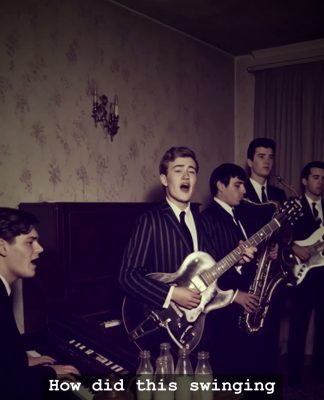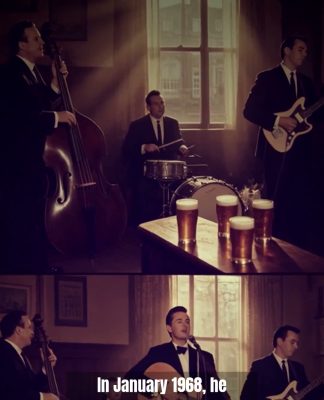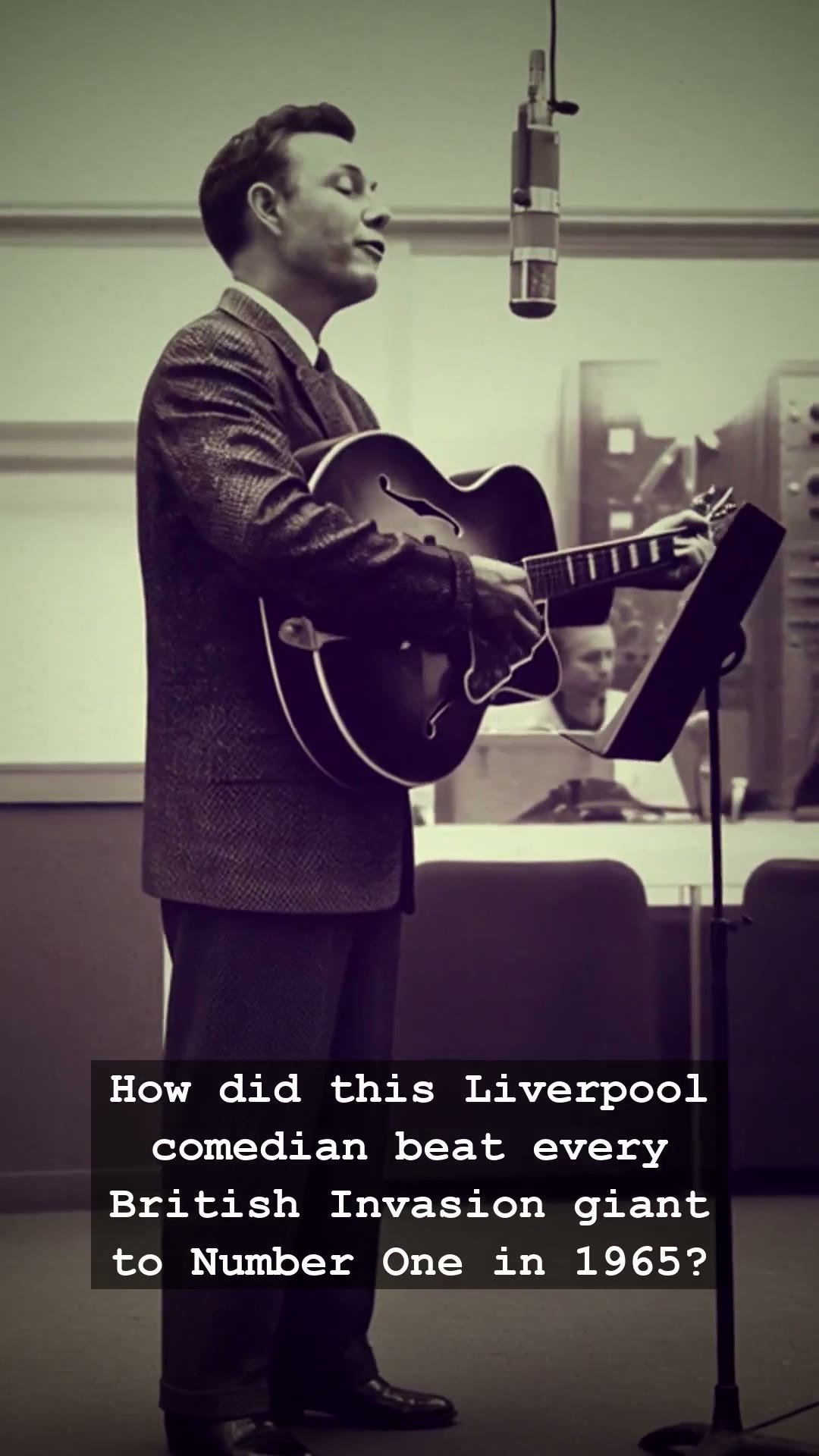
It was the golden age of British pop, a time when Liverpool was supposedly the centre of the musical universe. If you were flicking through the telly channels or listening to the wireless in 1965, you could be forgiven for thinking that only four lads from the Cavern Club had a monopoly on the charts. Yet, in the midst of the British Invasion, a mop-topped comedian with a tickling stick and a penchant for singing sentimental ballads managed the impossible. Ken Dodd, a local treasure from Knotty Ash, didn’t just climb the charts; he brought the entire nation to a standstill with a song that defied every rule of the era. His track, Tears, did not just reach the summit; it clung to the Number One spot for a staggering five weeks, outselling the biggest giants of the musical revolution.
To understand the shock of that moment, you have to realise the cultural climate of the time. The airwaves were saturated with the raw energy of rock and roll and the burgeoning Merseybeat sound. Producers were looking for the next big guitar band, and the NME was obsessed with the rivalry between the emerging groups. Nobody expected a music hall-style comedian, famous for his buck teeth and frenetic, eccentric stage presence, to out-perform the titans of the day. But Ken Dodd was no ordinary funny man; he possessed a voice of genuine warmth and emotive power that tapped into a deep, post-war nostalgia that the youth-driven pop charts had momentarily sidelined.
When Ken Dodd stood behind the microphone, the comedic mask dropped, revealing a vulnerability that resonated with every mum and grandad across the country. Tears was a song steeped in an older tradition, a heart-wrenching ballad that felt entirely out of place amidst the mod fashion and the psychedelic experimentation beginning to stir in London. Yet, that was precisely its charm. It provided a moment of calm, a sugary, bittersweet contrast to the frantic pace of the sixties. It was, in many ways, the last stand of a bygone era, proving that the British public still had a soft spot for a traditional, well-sung tune, no matter how cool the latest guitar trends were becoming.
Looking back, the success of Ken Dodd serves as a fascinating footnote in the history of British music. It reminds us that the charts were never as predictable as the history books might suggest. While the critics were busy championing the innovators, the public was buying records by the bucketload from a man who spent his weekends telling jokes in seaside towns. It was a peculiar, quintessentially British triumph—a reminder that a bit of sentimentality, when delivered with absolute sincerity, can cut through the loudest noise. Even today, listening to that recording brings back a wash of memories, a scent of old theatres and the crackle of a valve radio.
Ken Dodd would go on to have a legendary career, but that winter of 1965 remains his crowning musical achievement, a brief period where the comedian became the king of pop. It was a victory for the underdog and a testament to the fact that, in this country, we love a character just as much as we love a chorus. So, the next time you find yourself lamenting the lack of surprises in modern music, remember the story of the man from Liverpool who proved that anyone could reach the top if they could just capture the nation’s heart for a little while.