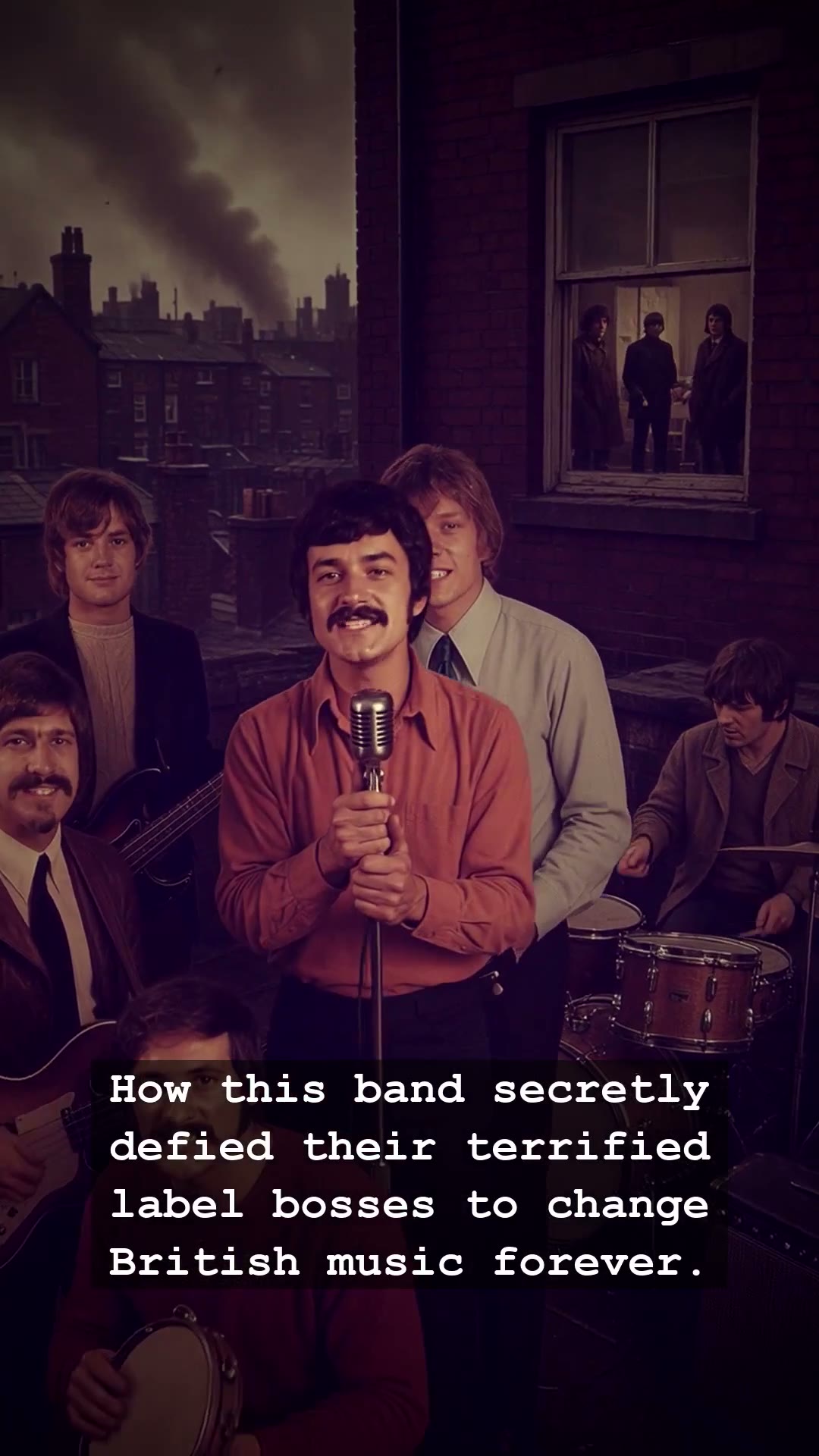
It was 1967, and the air in London was thick with the scent of change. Across the country, teenagers were glued to their telly sets watching Top of the Pops, expecting the usual three-minute pop ditties to keep them tapping their feet. But behind closed doors, a quiet revolution was brewing. The Moody Blues, a band previously known for standard R&B covers, had locked themselves away in a creative bunker, preparing to defy their terrified label bosses. They were about to risk everything on a gamble that would change the course of British rock history, forever.
At the time, Decca Records wanted another hit single to replicate the band’s earlier success. They were, quite frankly, terrified of the direction the boys were taking. The suits viewed the band’s new obsession with orchestral grandeur as a form of commercial suicide. But the musicians were undeterred. They wanted to realise a vision that blended the grit of the British gig scene with the ethereal colours of symphonic music. They were not just writing songs; they were composing an atmosphere, a sonic landscape that felt like the dawn of something entirely new.
When they emerged with Days of Future Passed, the music world didn’t quite know how to react. It was ambitious, sprawling, and utterly defiant. By merging the Mellotron with classical arrangements, The Moody Blues inadvertently laid the blueprint for what we now call progressive rock. It was a bold middle finger to the industry establishment that demanded safe, radio-friendly fodder. They proved that a band could be more than just a collection of faces on an NME cover; they could be architects of a complex, emotional, and intellectual soundscape.
The backstory feels like something out of a classic drama. Imagine the tension in those cold studio rooms, the band members aware that their career could be over if the gamble failed. They weren’t interested in the usual trappings of fame; they were chasing a sound they heard in their heads, a sound that captured the melancholy and the beauty of the British soul. This wasn’t just music for the charts; it was music for the late-night train rides home and the quiet moments in a dimly lit flat, a quintessential part of the late sixties experience.
Looking back, it is easy to realise why their legacy remains so potent. The Moody Blues managed to capture a sense of wonder that very few artists have ever replicated. They challenged the status quo and, in doing so, allowed a generation of musicians to follow in their footsteps, unburdened by the fear of being ‘too different’. Their defiance didn’t just sell records; it expanded the very boundaries of what pop music could achieve.
Even today, putting on a record by The Moody Blues brings a rush of nostalgia. It reminds us of a time when music felt dangerous, personal, and profoundly important. If you haven’t revisited their catalogue in a while, take a moment this weekend to spin one of their classics and let the memories drift back like a distant, familiar melody from the past.